China and the US are going full throttle on AI, the EU is hitting the brakes: how wise is that?
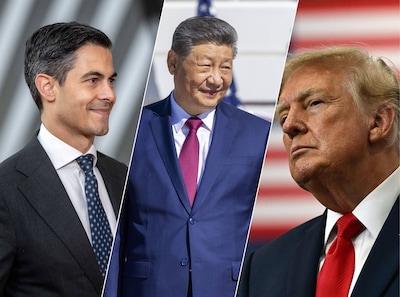
While China and the United States push ahead with rapid AI development, the European Union maintains a cautious stance focused on strict regulation. Critics argue this approach hampers European innovation and sovereignty, while proponents believe responsible testing and a focus on specialized quality are essential for sustainable growth.
Global discussions regarding the development of artificial intelligence have intensified, with China and the United States aggressively promoting the technology while the European Union prioritizes strict regulation. In the Netherlands, the government is drafting a new AI vision, and the House of Representatives has supported the establishment of an AI safety institute. The EU has implemented the AI Act to manage risks, which some critics argue creates a strategic disadvantage by stifling innovation and forcing developers to rely on foreign data. These critics warn that Europe risks losing its economic sovereignty and competitiveness in the ongoing industrial revolution.
Conversely, supporters of the EU's approach argue that the regulations are necessary to ensure safety and quality before technologies reach the market. Rather than competing directly with the reckless spending seen in major tech hubs, some believe Europe should leverage its strengths in specialized sectors. While the debate continues, officials suggest that the Netherlands remains a fertile ground for AI innovation, citing its existing technological infrastructure. Ultimately, European leaders remain divided on whether to prioritize immediate development or to focus on a structured, regulated growth strategy for the future.
Based on reporting by ad. Translated and condensed by LocalHeadlines.