rss

Amsterdam municipality investigates ban on single-use packaging
Amsterdam municipality investigates ban on single-use packaging

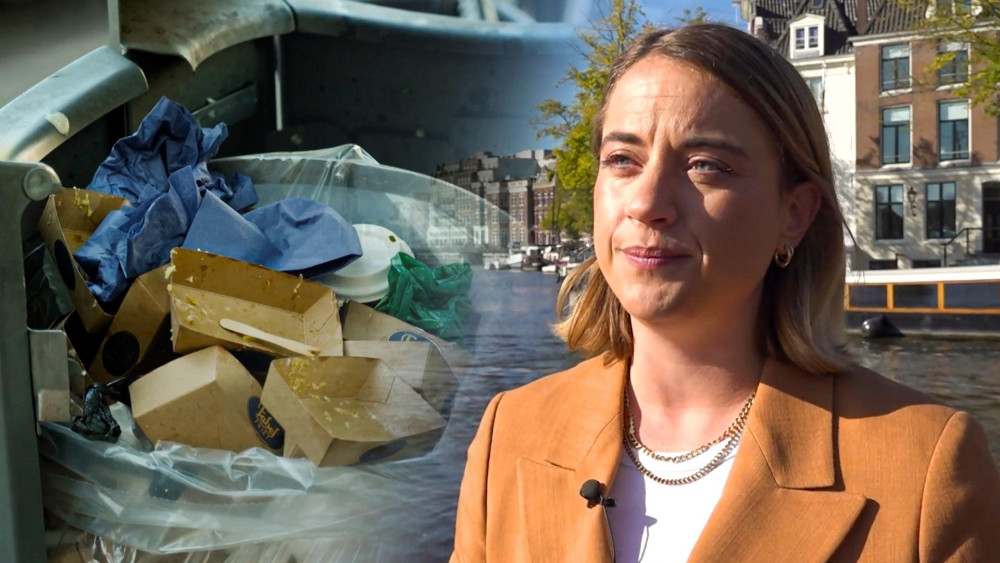
The municipality of Amsterdam is investigating a potential city-wide ban on single-use packaging, such as to-go cups and containers, to combat persistent street litter. Legal research indicates that a local ban is possible, and officials are now evaluating implementation strategies like deposit systems or universal reusable packaging programs.

The Amsterdam municipal government is exploring a potential ban on single-use food and beverage containers, which currently account for 30 percent of street litter in the city. Alderman Lian Heinhuis confirmed that legal studies suggest such a local prohibition is feasible, provided the city can justify the necessity of the measure over previous alternatives. The city aims to address the root cause of pollution rather than just managing cleanup efforts.

Officials are now considering various implementation models, including deposit-return schemes similar to those trialed in cities like Lisbon and Copenhagen, or a universal system where reusable containers can be returned at any participating business. A key challenge remains ensuring tourist participation, as international visitors frequently discard beverage containers in trash bins despite existing deposit programs. The city plans to consult with entrepreneurs, experts, and peer cities to determine the most effective approach, though no timeline for the implementation has been established.

Based on reporting by rss. Translated and condensed by LocalHeadlines.
Related articles

Municipality investigates ban on single-use packaging: "Cleaning up is not enough"

Municipality investigates ban on single-use packaging: "Cleaning up is not enough"

The Amsterdam municipality is exploring a potential ban on single-use takeaway packaging to combat rising levels of street litter. Following a positive legal review, officials are now investigating implementation strategies such as reusable container systems and deposit schemes, drawing inspiration from other European cities.

End to intake freeze at Levvel, youths with severe issues can once again be admitted in Amsterdam

End to intake freeze at Levvel, youths with severe issues can once again be admitted in Amsterdam

Care organization Levvel has ended its intake freeze for Amsterdam youth following successful negotiations to secure more beds for those in need of severe residential care. While access has been restored, the municipality is demanding better coordination among providers and has initiated an independent financial audit of Levvel to ensure future stability.

Municipal council information portal taken offline to prevent security breach

Municipal council information portal taken offline to prevent security breach

The Amsterdam municipal government has temporarily disabled its Notubiz information system as a precaution against global cyberattacks targeting PHP vulnerabilities. This outage affects public access to council documents and live meeting streams until the security risk is resolved.

Minister now understands why Halsema did not intervene against Hamas banners: "No other option"

Minister now understands why Halsema did not intervene against Hamas banners: "No other option"

Amsterdam Mayor Femke Halsema and Justice Minister David van Weel have reconciled after the Minister acknowledged that current laws prevented the Mayor from stopping pro-Hamas banners at an October 7 demonstration. Halsema noted that while the slogans were offensive, she acted within the boundaries of the law and called on the government to resolve long-standing legislative inaction regarding the glorification of terrorism.

Private landlords are renting out fewer properties in the city: "A problem for students"

Private landlords are renting out fewer properties in the city: "A problem for students"

Private rental properties in Amsterdam have decreased by 18 percent in three years as landlords sell their units due to new rent control laws and increased taxation. While this shift favors buyers, it creates a significant housing crisis for students and individuals who cannot afford to purchase property in the city.