nu

Less attention abroad for PHP danger: 'The Netherlands did not exaggerate'

Less attention abroad for PHP danger: 'The Netherlands did not exaggerate'

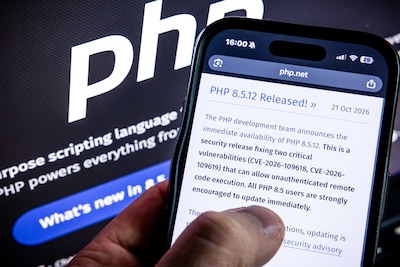
While media coverage of critical PHP vulnerabilities was significantly more prominent in the Netherlands than in neighboring countries, cybersecurity agencies across Europe treated the threat with similar urgency. Experts argue that the increased Dutch media focus is linked to a history of recent cyber incidents, and warn that AI is accelerating the speed at which such vulnerabilities can be exploited.

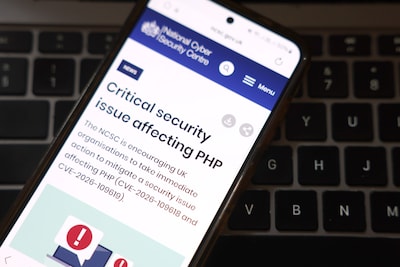
While international media coverage of the recent critical PHP software vulnerabilities remained relatively limited compared to Dutch news outlets, cybersecurity agencies across Europe, including those in the UK, Germany, and the Netherlands, treated the threat with high urgency. Like in the Netherlands, several foreign government websites were taken offline as a precaution to prevent exploitation, including services in France and the UK. Experts suggest that the heightened media attention in the Netherlands stems from a recurring history of local cyber incidents, leading journalists to prioritize digital security news.

Security professionals emphasize that the extensive coverage was not an overreaction but a necessary response to significant disruptions affecting daily digital services. Furthermore, experts warn that the use of artificial intelligence in cyberattacks is accelerating the discovery and exploitation of software vulnerabilities. Tasks that previously required months of manual effort can now be accomplished in days or even hours, necessitating that organizations maintain rapid incident response plans and prioritize immediate software updates to mitigate future risks.

Based on reporting by nu. Translated and condensed by LocalHeadlines.
Related articles

While the world buckles under millions of hack attempts, the Netherlands was on time: ‘Very smart’

While the world buckles under millions of hack attempts, the Netherlands was on time: ‘Very smart’

Dutch websites were taken offline on Wednesday as a proactive measure to defend against vulnerabilities found in PHP systems. This decision proved effective as millions of cyberattacks were launched globally against sites that remained online.

PHP warns: Websites without updates remain vulnerable to attacks

PHP warns: Websites without updates remain vulnerable to attacks

PHP has released a critical security update for its programming language, urging all users to patch their systems immediately to prevent exploitation. While millions of attack attempts have been recorded, there is currently no evidence of successful unauthorized access or data theft in the Netherlands.

British bank Barclays to cut thousands of jobs due to AI

British bank Barclays to cut thousands of jobs due to AI

Barclays plans to cut thousands of jobs to reduce costs and increase efficiency through the use of artificial intelligence. The announcement follows disappointing third-quarter financial results, particularly within the bank's bond trading division.

Viaplay narrows losses and completes sale of Dutch division

Viaplay narrows losses and completes sale of Dutch division

Viaplay reported a sharp decrease in quarterly losses and has finalized the sale of its Dutch operations to DPG Media for 142 million euros. The acquisition, which includes key sports broadcasting rights, received approval from the Netherlands Authority for Consumers and Markets and will see current user services remain unchanged for now.

How dozens of websites went offline this afternoon: 'The ball started rolling proactively in the Netherlands'

How dozens of websites went offline this afternoon: 'The ball started rolling proactively in the Netherlands'

Dozens of Dutch organizations preemptively took their websites offline on Wednesday to address two critical security vulnerabilities. While the threat was global, the Netherlands exhibited a significantly more cautious response compared to other countries.