ad

Vaccine for deadliest form of skin cancer nearly halves risk
Vaccine for deadliest form of skin cancer nearly halves risk

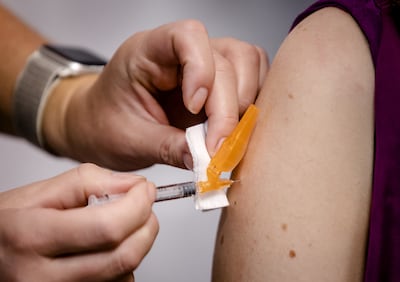
A new personalized mRNA vaccine developed by Moderna and Merck has shown the potential to reduce the risk of melanoma recurrence or death by 42 percent. The treatment, which is tailored to a patient's specific tumor genetics, currently awaits regulatory approval from American authorities.

Pharmaceutical companies Moderna and Merck have announced the results of a phase 3 clinical trial for a new mRNA-based vaccine designed to combat melanoma. The treatment, known as intismeran autogene, is personalized to match the specific genetic profile of an individual patient's tumor. Data indicates that the vaccine reduces the risk of melanoma recurrence or death by 42 percent when used alongside standard treatments. Furthermore, the therapy reportedly lowers the risk of the cancer spreading to other parts of the body or resulting in patient mortality by 38 percent.

While these results offer a promising development in oncology, the vaccine still requires formal approval from health authorities in the United States before it can be widely distributed. Participants in the clinical study experienced side effects consistent with earlier trials, including common symptoms such as fatigue, chills, and localized pain at the injection site. Further regulatory review is necessary to determine the next steps for bringing this personalized immunotherapy to patients worldwide.

Based on reporting by ad. Translated and condensed by LocalHeadlines.

Related articles

Number of traffic casualties increases, 50 percent more e-bike accidents

Number of traffic casualties increases, 50 percent more e-bike accidents

Traffic casualties in Amsterdam increased by eight percent in 2025, driven largely by a sharp rise in accidents involving e-bikes and fatbikes. City officials are addressing the trend through targeted infrastructure improvements and are currently evaluating the impact of local restrictions on fatbike usage.

Primeur at Artis: injured bird receives first fully 3D-printed beak

Primeur at Artis: injured bird receives first fully 3D-printed beak

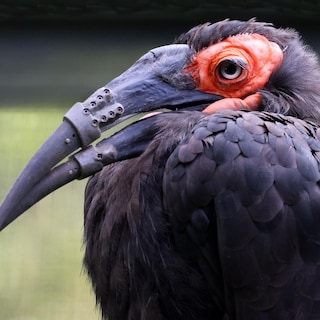
A southern ground hornbill at Artis zoo has successfully received the world's first fully 3D-printed prosthetic beak after its original was broken. The collaborative surgical procedure, which utilized titanium components and advanced imaging, has enabled the bird to resume normal behaviors like feeding and grooming.

AI revolutionizes the operating room: The computer must learn to think like a surgeon

AI revolutionizes the operating room: The computer must learn to think like a surgeon

Artificial intelligence and robotics are increasingly being integrated into operating rooms to assist with surgical procedures. Experts predict that common surgeries, such as gallbladder removal, will be performed using this advanced technology within the next decade.

Several hospitals less accessible due to nationwide KPN outage

Several hospitals less accessible due to nationwide KPN outage

A national KPN network outage caused by a cooling system failure has disrupted telephone services at several hospitals across the Netherlands, including UMC Utrecht and Maastricht UMC+. Affected hospitals are currently utilizing alternative contact numbers to ensure they remain reachable while technical teams work to resolve the widespread connectivity issues.

Is the petrol car saved? European automakers are falling even further behind

Is the petrol car saved? European automakers are falling even further behind

Germany and France are proposing to soften strict EU climate rules that would have banned new combustion engines by 2035, aiming to support the European automotive industry. Critics and industry experts warn that this decision risks delaying the transition to electric vehicles and leaves European manufacturers further behind global competitors like China.