nu

Dinosaur skeleton auctioned for 42 million euros, second most valuable fossil ever
Dinosaur skeleton auctioned for 42 million euros, second most valuable fossil ever

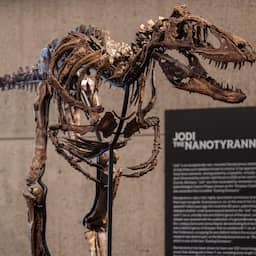
A rare Nanotyrannus dinosaur skeleton has been auctioned for 42 million euros, becoming the second-most expensive fossil ever sold. Scientists have criticized the sale, warning that moving the specimen into a private collection removes it from the public domain and limits opportunities for academic research.

A fossil skeleton of the newly identified dinosaur species Nanotyrannus has sold for 42 million euros. The twelve-minute auction featured six bidders, though the identity of the final buyer remains undisclosed. This sale marks the second-most valuable fossil transaction in history, falling just short of a record set in July when a T. rex skeleton fetched nearly 45 million euros. The specimen stands approximately 3 meters tall and comprises 191 bones, featuring a nearly complete skull from the Late Cretaceous period.

The private sale has drawn criticism from the scientific community, as many paleontologists fear such fossils will be lost to public research. Experts warn that moving these specimens into private collections prevents them from being studied or displayed in museums. Paleontologist Steve Brusatte expressed concern that the skeleton may be locked away in a private vault, depriving children and the general public of the opportunity to learn from and be inspired by this significant biological discovery.

Based on reporting by nu. Translated and condensed by LocalHeadlines.
Related articles

Dinosaur skeleton up for auction expected to fetch millions

Dinosaur skeleton up for auction expected to fetch millions

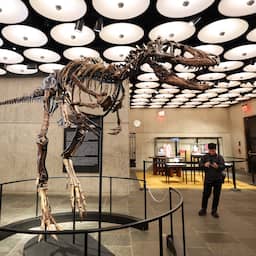
A rare dinosaur skeleton from the Late Cretaceous period is set to be auctioned by Sotheby's, with expectations that it will fetch millions of dollars. The sale has drawn significant criticism from the scientific community, which argues that such unique fossils belong in public museums for research and public viewing rather than private collections.

From near extinction to a thriving fishery: how Portugal’s sardine population was saved

From near extinction to a thriving fishery: how Portugal’s sardine population was saved

After facing near-extinction due to overfishing, Portugal's sardine population is recovering thanks to a successful management plan. This restoration has revitalized the local fishing industry while ensuring the fish remains a sustainable and healthy staple of the Portuguese diet.

Small group of billionaires emits more than billions of poor people

Small group of billionaires emits more than billions of poor people

A new Oxfam report indicates that the world's richest 0.1 percent are responsible for a carbon footprint larger than that of the poorest 44 percent of the population. This disparity is fueled by luxury consumption and heavy investments in fossil fuel sectors, contributing significantly to global warming while disproportionately affecting vulnerable communities.

Canadian maple syrup reserves at risk of running out due to dispute with US

Canadian maple syrup reserves at risk of running out due to dispute with US

Canada's strategic maple syrup reserves are rapidly dwindling due to increased demand from American importers concerned about rising trade tariffs. The professional association in Quebec warns that stockpiles could be exhausted by February, and it may take years for production levels to recover.

Wolves target cattle, vets sound alarm: ‘Ensure management’

Wolves target cattle, vets sound alarm: ‘Ensure management’

Wolf attacks on cattle in the province of Drenthe have surged dramatically, with 60 incidents reported this year alone compared to only seven in 2022. Local veterinarians and farmers are calling for urgent population management, as traditional grazing practices are increasingly threatened by this evolving predatory behavior.