Vocational workers feel left behind: 'Living in a different reality'
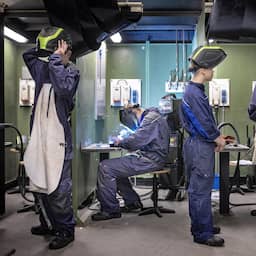
Research from the SCP reveals that many practically educated Dutch citizens feel socially and politically disadvantaged compared to university graduates. This group, often feeling disconnected from policymakers, advocates for better representation and recognition to address growing frustrations over economic and cultural issues.
Research from the Social and Cultural Planning Office (SCP) indicates that many practically educated people in the Netherlands feel disadvantaged compared to those with higher education. This group frequently reports feeling sidelined regarding access to the housing market and political representation. Specifically, those with vocational training often perceive that politicians prioritize newcomers over their own citizens, leading to frustration and a sense of losing influence over their daily lives. Experts attribute this divide to significant differences in socioeconomic positions, as practically educated individuals often face lower incomes and more limited opportunities.
Furthermore, the lack of representation for vocationally trained citizens in political institutions contributes to a sense of alienation and diminishing trust. While university-educated individuals often view diversity as a societal enrichment, others feel their cultural traditions are being threatened. Political scientists suggest that to bridge this growing divide, the government must move beyond simply explaining policies and instead focus on increasing the representation of practically educated people in political processes and fostering a greater sense of public recognition.
Based on reporting by nu. Translated and condensed by LocalHeadlines.