ad

Gas prices keep rising, where will it end? ‘It is deafeningly quiet in The Hague’

Gas prices keep rising, where will it end? ‘It is deafeningly quiet in The Hague’

Natural gas prices in the Netherlands have risen sharply to over 2 euros per cubic meter, driven by geopolitical instability in the Middle East. With no government price cap currently active, many households face significantly higher energy bills as their contracts expire, although experts confirm that supply security remains unaffected.

Natural gas prices in the Netherlands have surged past 2 euros per cubic meter, marking an 80 percent increase compared to the start of the year. This sharp rise is primarily attributed to heightened military tensions in the Middle East, which have disrupted the supply of liquefied natural gas (LNG). Unlike previous energy crises, the Dutch government currently has no price ceiling in place, leaving households to face the full impact of these costs directly. For many families, monthly energy expenses could rise by 100 to 150 euros as annual contracts expire.

Despite the price hike, there is no threat of gas shortages, as national reserves are adequately filled at 67 percent. Experts suggest that while these reserves ensure supply, they do not lower costs because the gas was purchased at high market rates. Households are advised to focus on home insulation or consider temporary variable contracts in case global tensions de-escalate, as locking in current peak rates may prove costly if prices eventually drop.

Based on reporting by ad. Translated and condensed by LocalHeadlines.
Related articles

Dutch companies must help Ukraine through the winter: millions in extra government subsidies

Dutch companies must help Ukraine through the winter: millions in extra government subsidies

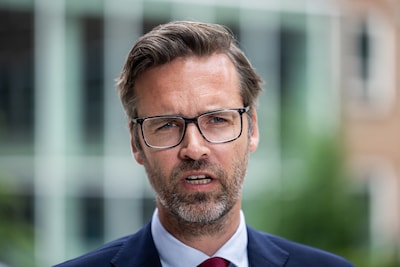
The Dutch government is providing 191 million euros in subsidies to help Dutch companies support Ukraine's energy infrastructure and facilitate business reconstruction. Minister Sjoerd Sjoerdsma announced the funding during a visit to Kyiv, highlighting that Dutch businesses will be incentivized to assist with essential repairs and long-term recovery projects.

Less demand, no lower prices: new housing market struggles due to high interest rates and small homes

Less demand, no lower prices: new housing market struggles due to high interest rates and small homes

High mortgage interest rates are reducing demand for new-build homes in the Netherlands, as developers maintain high, rigid prices despite falling interest from buyers. Additionally, government mandates for affordable housing are resulting in smaller properties that increasingly fail to align with consumer preferences, further threatening future project completions.

Years of illegal use of Schiphol: environmental groups and local residents take legal action over cabinet plans

Years of illegal use of Schiphol: environmental groups and local residents take legal action over cabinet plans

A coalition of environmental groups and residents has challenged new government regulations for Schiphol Airport at the Council of State. The plaintiffs claim the rules legitimize years of illegal operations and are seeking a mandatory reduction in flight numbers.

European Commission launches investigation into Booking.com over failure to tackle fraud

European Commission launches investigation into Booking.com over failure to tackle fraud

The European Commission has opened an investigation into Booking.com over concerns that the travel platform is failing to adequately combat fraud and phishing scams. The inquiry aims to ensure the company complies with the Digital Services Act, which mandates that online platforms prioritize user protection and transparency.

Trade with Russia remains lucrative, but companies face risks

Trade with Russia remains lucrative, but companies face risks

Despite 21 rounds of European Union sanctions against Russia, some businesses continue to profit by using third-party countries to bypass export restrictions. Experts warn that while such trade is lucrative, it carries significant legal risks, including criminal prosecution and prison time for those who intentionally circumvent these measures.