Amsterdam in 2050: denser, greener and less accessible to cars
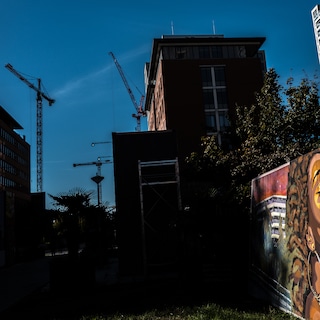
By 2050, Amsterdam is projected to grow to over one million residents with an increasingly aging population, necessitating the construction of at least 150,000 new, smaller homes. The city plans to adopt a polycentric development model while expanding green spaces and restricting car usage to prioritize pedestrians and cyclists.
Projections for Amsterdam in 2050 suggest that while the city will not transform into a futuristic science fiction landscape, it will undergo significant demographic and urban changes. The population is expected to grow to over one million residents, with a notable trend toward an aging population and a substantial increase in the number of citizens over eighty. To accommodate this growth, city planners are aiming for the development of at least 150,000 new homes, though residents will likely live in smaller spaces due to high demand and density constraints.
Urban development will focus on a polycentric model, shifting focus away from a single central city core toward regional hubs like Osdorpplein and Buikslotermeerplein. Environmental initiatives remain a priority, with concrete plans to integrate more green spaces and parks throughout the city. Furthermore, the city aims to curb traffic congestion by prioritizing cyclists and pedestrians, explicitly seeking to cap the total daily car kilometers to 2023 levels to ensure the city remains accessible and sustainable despite the growing population.
Based on reporting by parool. Translated and condensed by LocalHeadlines.