ad

New asylum forecasts: slightly fewer asylum seekers, but more housing still needed
New asylum forecasts: slightly fewer asylum seekers, but more housing still needed

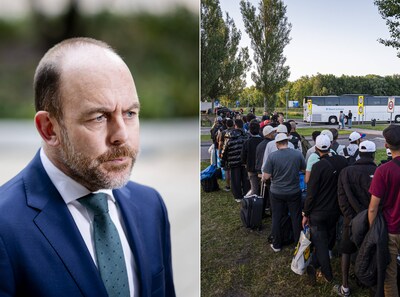
While the Netherlands expects a slight decrease in asylum seekers, the demand for reception capacity has risen to 96,000 beds due to a lack of housing for status holders and continued high numbers of Ukrainian refugees. The government also anticipates a spike in legal proceedings as officials move to lower the overall rate of approved asylum applications.

New government projections indicate a slight decrease in the number of asylum seekers arriving in the Netherlands, yet the demand for shelter continues to grow. The Central Agency for the Reception of Asylum Seekers (COA) has increased its requirement to 96,000 beds, up from 88,000 earlier this year. This persistent pressure is largely due to the presence of 18,000 status holders who remain in reception centers because of the national housing shortage, blocking spaces for new arrivals. Critical situations persist at reception centers in Ter Apel and Zevenaar.

Furthermore, the government has revised the expected asylum approval rate downward, from 38 percent to 24 percent, which is projected to trigger a surge in legal challenges from rejected applicants. Meanwhile, the influx of Ukrainian refugees remains significant, with approximately 230 people arriving weekly. With the European Court of Justice recently ruling that the immigration service must process Ukrainian asylum applications, authorities face substantial backlogs while continuing to manage the ongoing housing crisis.

Based on reporting by ad. Translated and condensed by LocalHeadlines.
Related articles

Phasing out fossil fuels is a priority for the Netherlands at climate summit

Phasing out fossil fuels is a priority for the Netherlands at climate summit

The Dutch government has prioritized the phase-out of fossil fuels for the upcoming COP31 climate summit in Antalya. Minister Stientje van Veldhoven confirmed the nation will present its national roadmap to minimize fossil fuel consumption by 2050 while focusing on the implementation of international climate agreements.

Fear of wolves grips Drenthe: I fear for my children and for myself

Fear of wolves grips Drenthe: I fear for my children and for myself

Mayors in Drenthe have issued an urgent plea to the Dutch government to manage the growing wolf population, citing increased fear among residents and safety concerns in residential areas. The officials propose limiting wolves to specific nature reserves and implementing active management, including potential culling, to protect citizens and their communities.

When is a police officer allowed to use a taser?

When is a police officer allowed to use a taser?

Recent footage of a police officer using a Taser on a delivery driver in Amsterdam has drawn attention to the specific legal conditions under which Dutch law enforcement may deploy conducted energy weapons. These devices are permitted only in strictly defined circumstances, such as preventing violence, addressing immediate danger, or overcoming physical resistance during an arrest.

Lawyer for Overasselt attack target withdraws from case

Lawyer for Overasselt attack target withdraws from case

Jan G. from Overasselt faces legal turmoil following an underworld attack on his home that killed a security guard and led to his own arrest for drug trafficking. His defense attorney, Ralph Takens, has now stepped down from the case while Jan G. remains detained in a high-security facility.

Cabinet on edge over weekend riot plans, shops boarded up: ‘Worrying signals’

Cabinet on edge over weekend riot plans, shops boarded up: ‘Worrying signals’

Dutch authorities are monitoring reports of potential riots and looting scheduled for the upcoming weekend following social media calls. In response, businesses in some cities have boarded up their storefronts and schools have warned parents to keep students at home, though officials note that much of the online evidence remains unconfirmed.