Phones and laptops becoming more expensive, chip shortage to last until at least 2028
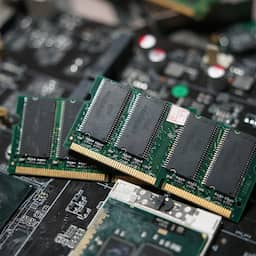
A global shortage of memory chips is driving up the prices of laptops and smartphones while significantly reducing production volumes. Analysts attribute this scarcity to the heavy demand from AI companies, expecting the supply chain constraints to persist until at least 2028.
Global shortages of memory chips are causing a significant decline in the production and shipment of consumer electronics. Data from analysts Counterpoint and IDC show that both phone and laptop shipments have dropped by approximately 20 percent over the past year. This scarcity is largely driven by the high demand for chips from major AI developers like Google and OpenAI, which prioritize their server needs. Consequently, manufacturers are shifting production away from older, cheaper chips toward high-performance components suitable for AI applications. This shift has led to higher prices for smartphones and laptops, forcing consumers to keep their devices longer or opt for refurbished alternatives.
Industry experts warn that the supply constraints are expected to persist for several years, with projections suggesting the market could remain tight until 2028 or even 2030. Despite these challenges, premium brands like Apple and Samsung continue to release high-end models, utilizing their larger profit margins and trade-in programs to remain competitive. Meanwhile, new devices are seeing limited upgrades in RAM capacity as manufacturers struggle to navigate the ongoing component bottleneck.
Based on reporting by nu. Translated and condensed by LocalHeadlines.