nu

Wooden houses are gaining ground but won't solve the housing shortage
Wooden houses are gaining ground but won't solve the housing shortage

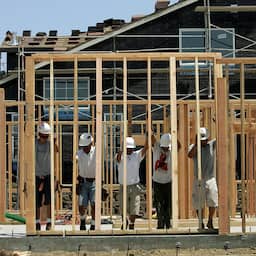
The share of new wooden residential construction in the Netherlands has grown significantly due to sustainability mandates and an emphasis on industrial prefabrication. However, experts caution that limited production capacity and high costs mean that timber building alone cannot resolve the country's persistent housing shortage.

The share of new wooden homes in the Netherlands has tripled from 2 percent in 2020 to 6.8 percent in 2025. Driven by stricter CO2 emission regulations, the sector is increasingly adopting mass timber construction, where load-bearing walls and floors are made from wood. Government objectives, including the 30-30-30-plan, encourage biobased building methods and industrial prefabrication to address the ongoing housing crisis. This industrial approach allows components to be manufactured in factories and assembled on-site, which helps mitigate labor shortages in the construction industry.

Despite these advancements, experts like Michel van Eekert and Arjan Habraken warn that timber construction is not a complete solution for the chronic housing shortage. While factory-based building reduces waste and energy consumption, current production capacity remains insufficient to meet the target of 100,000 new homes per year. High transport costs for imported wood and the limited scale of specialized manufacturing facilities present significant hurdles to scaling up production before 2030.

Based on reporting by nu. Translated and condensed by LocalHeadlines.
Related articles

Peek & Cloppenburg to leave Dam square for good: store closing at the end of February

Peek & Cloppenburg to leave Dam square for good: store closing at the end of February

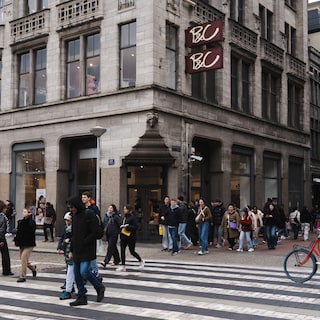
Peek & Cloppenburg will permanently close its store on the Dam in Amsterdam at the end of February due to upcoming renovations at the historic site. This move marks a continued decline of the brand's presence in the Netherlands, leaving only three locations remaining nationwide.

Heijmans builds fewer houses but earns more from roads and power grids

Heijmans builds fewer houses but earns more from roads and power grids

Heijmans faces a slump in residential property sales due to ongoing market crises but expects higher profits due to significant growth in infrastructure and energy projects. The company has raised its profit margin forecast for 2026 while continuing to secure large-scale government contracts and expanding its modular construction technology.

Magnum reports record sales due to tropical summer, pistachio ice cream proves a golden move

Magnum reports record sales due to tropical summer, pistachio ice cream proves a golden move

Magnum reported a 12.1 percent global revenue increase to 2.5 billion euros, fueled by an exceptionally long summer and the successful launch of its pistachio-flavored ice cream. The company has consequently raised its 2026 growth forecast to 5.5 percent, supported by strong performance in Europe and the United States.

Number of social housing units in Amsterdam region grew by over 4,000 last year – but waiting times remain long

Number of social housing units in Amsterdam region grew by over 4,000 last year – but waiting times remain long

The social housing stock in the Amsterdam Metropolitan Area increased by over 4,000 units in 2025 due to a rise in new construction projects. Despite this growth, waiting lists for rental properties remain long and are not expected to decrease significantly in the near future.

If Amsterdammers get rid of their cars because they are too expensive, it doesn't bring the municipality any money either

If Amsterdammers get rid of their cars because they are too expensive, it doesn't bring the municipality any money either

Amsterdam plans to raise parking permit fees for residents to mitigate municipal budget deficits caused by inflation and rising costs. Critics argue the policy lacks a solid financial model and could negatively impact residents who rely on their vehicles for essential travel outside the city.