When every second counts: thirty Haarlem residents now have their own AED
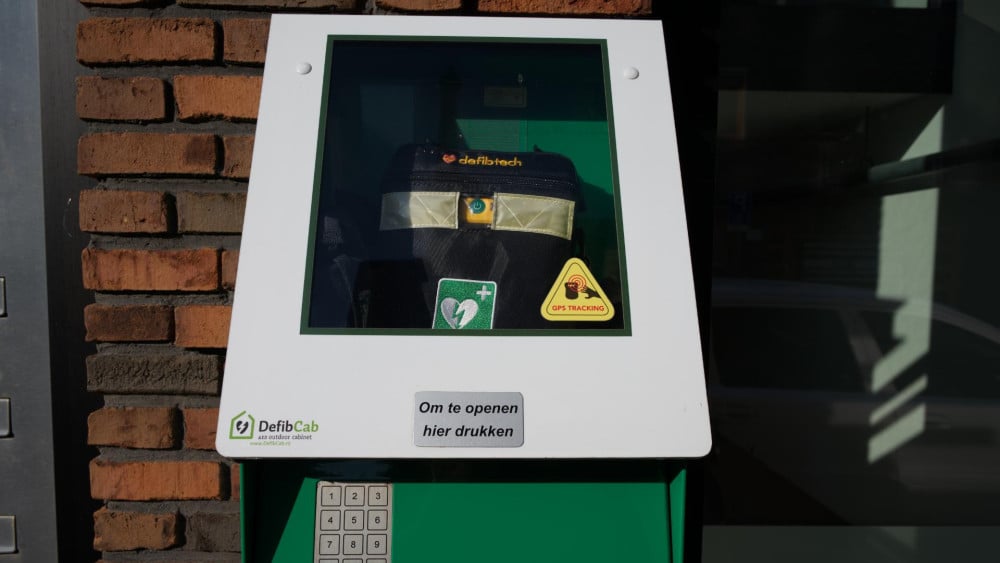
Thirty volunteers in Haarlem have been provided with personal AEDs as part of a pilot project to reduce response times during cardiac emergencies. Researchers from the Amsterdam UMC are analyzing whether this localized distribution helps citizen responders deliver life-saving care faster than relying on public devices.
In an effort to improve survival rates during cardiac arrests, thirty residents in Haarlem have been provided with personal Automated External Defibrillators (AEDs) as part of a new pilot project. This initiative, run by the resuscitation alert system HartslagNu, aims to reduce the critical time gap between a 112 emergency call and the delivery of the first electric shock. Volunteer responders like Robbert van Rooijen, who is trained in cardiopulmonary resuscitation, can now bypass the delay of retrieving a public AED by carrying one directly to the scene.
The project is currently being monitored by researchers from the Amsterdam UMC to determine if having portable, distributed devices significantly speeds up response times. If the data from this pilot proves successful, HartslagNu plans to expand the program to additional municipalities across the region. With approximately 285,000 registered citizen responders already active in the Netherlands, this project represents a strategic move to optimize the existing national emergency network and ensure that life-saving interventions occur as quickly as possible.
Based on reporting by rss. Translated and condensed by LocalHeadlines.