Garment workers in Bangladesh protest for higher wages for fourth day in a row
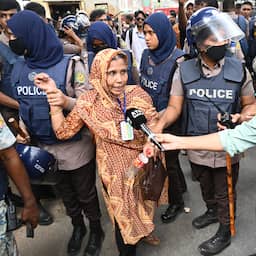
Garment workers in Bangladesh are protesting for the fourth consecutive day, demanding a raise in the monthly minimum wage to address rising living costs. The demonstrations have led to violent clashes with police near Dhaka, resulting in injuries and widespread factory closures that threaten global clothing supply chains.
Garment workers in Bangladesh have continued their protests for a fourth consecutive day, demanding a significant increase in their monthly minimum wage. The workers are calling for an raise from the current 12,500 taka to 30,000 taka to keep pace with rising costs of food, housing, and transport. Clashes have erupted in industrial zones surrounding the capital city of Dhaka, with police utilizing tear gas and stun grenades against demonstrators who blocked highways and threw stones. Several injuries have been reported among both protestors and security forces.
The ongoing unrest has forced hundreds of factories to halt operations, causing disruptions to the nation's garment supply chain. Major global retailers, including H&M, Zara, and Gap, rely heavily on production from the country, which is the world's second-largest garment exporter. Experts warn that prolonged factory closures could lead to significant delivery delays. With the garment industry accounting for over 80 percent of the nation's export earnings and employing approximately 4 million people, the sector remains vital to the regional economy.
Based on reporting by nu. Translated and condensed by LocalHeadlines.