parool

Prison sentence for assault at 2024 pro-Palestinian protest at UvA
Prison sentence for assault at 2024 pro-Palestinian protest at UvA

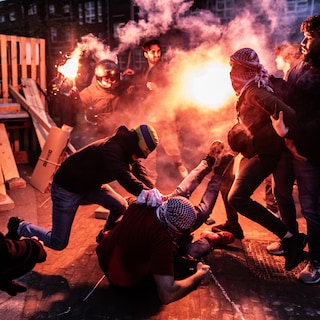
A man has been convicted of assault after striking two people with a wooden plank during a volatile pro-Palestinian protest at the University of Amsterdam in May 2024. Although he claimed self-defense against masked agitators, the court ordered him to pay damages to his victims while sparing him further jail time beyond his pre-trial detention.

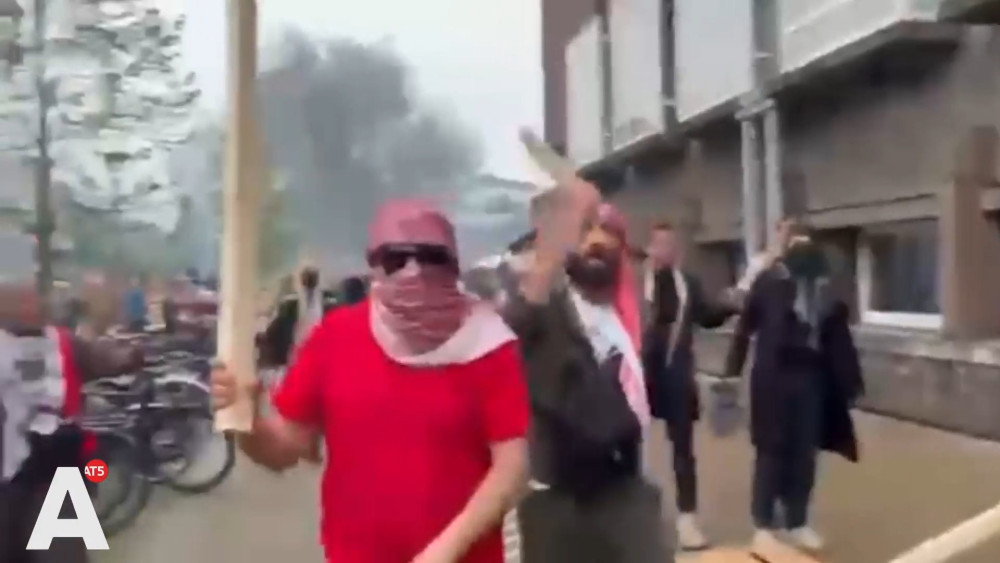
Samer A. has been sentenced following a violent confrontation at a pro-Palestinian protest at the University of Amsterdam's Roeterseiland campus in May 2024. During the incident, where masked individuals disrupted a student encampment, A. struck two victims on the head with a wooden plank, causing injuries including a fractured skull. While A. claimed he acted in self-defense due to fear, the court rejected this argument, noting the victims were not involved in the provocation. Having already served 36 days in pre-trial detention, he will not return to prison but must pay financial compensation to the victims.

The protest, which demanded the university sever ties with Israel, escalated when masked men threw torches into the crowd. The situation prompted authorities to forcibly clear the encampment, an operation later scrutinized for instances of disproportionate police violence. A. also faces a separate three-month prison sentence for property damage during earlier campus demonstrations, a case currently under appeal at the Supreme Court.

Based on reporting by parool. Translated and condensed by LocalHeadlines.
Related articles

No extra punishment for plank assault at UvA protest, perpetrator must pay damages

No extra punishment for plank assault at UvA protest, perpetrator must pay damages

A pro-Palestinian demonstrator who struck two people with a plank during a 2024 protest at the University of Amsterdam has been ordered to pay over 2,000 euros in damages. The court convicted him of attempted aggravated assault but decided against further prison time or community service, citing the 36 days he already spent in custody.

Journalist Evan Gershkovich, who was imprisoned in Russia, gives the Derk Sauer Lecture: watch the livestream here

Journalist Evan Gershkovich, who was imprisoned in Russia, gives the Derk Sauer Lecture: watch the livestream here

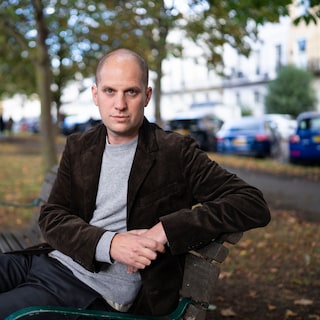
Journalist Evan Gershkovich will deliver the first Derk Sauer Lecture at the debate center De Balie in Amsterdam to discuss press freedom and his time imprisoned in Russia. The annual event honors the late Derk Sauer, a prominent journalist and former mentor to Gershkovich.

This elite unit of the Marechaussee guards Schiphol day and night: ‘We take everything seriously until we are sure it’s nothing’

This elite unit of the Marechaussee guards Schiphol day and night: ‘We take everything seriously until we are sure it’s nothing’

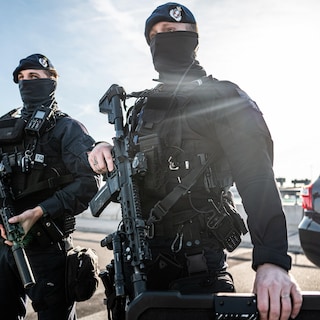
The Armed Aviation Security unit of the Royal Netherlands Marechaussee is marking its 30th anniversary of protecting Schiphol Airport. Initially created for high-risk flights, the unit now operates as an elite 24-hour force focused on proactive security against terrorist threats.

‘I see the future of the US very pessimistically’: five Americans in Amsterdam on the midterms

‘I see the future of the US very pessimistically’: five Americans in Amsterdam on the midterms

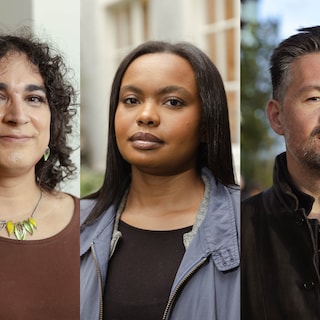
As American citizens head to the polls for the upcoming midterm elections, several expatriates living in Amsterdam have expressed concern regarding the political polarization within their home country. These residents shared their pessimistic outlook on the future of the United States, reflecting on how the current political climate impacts their perspective from abroad.

When is a police officer allowed to use a taser?

When is a police officer allowed to use a taser?

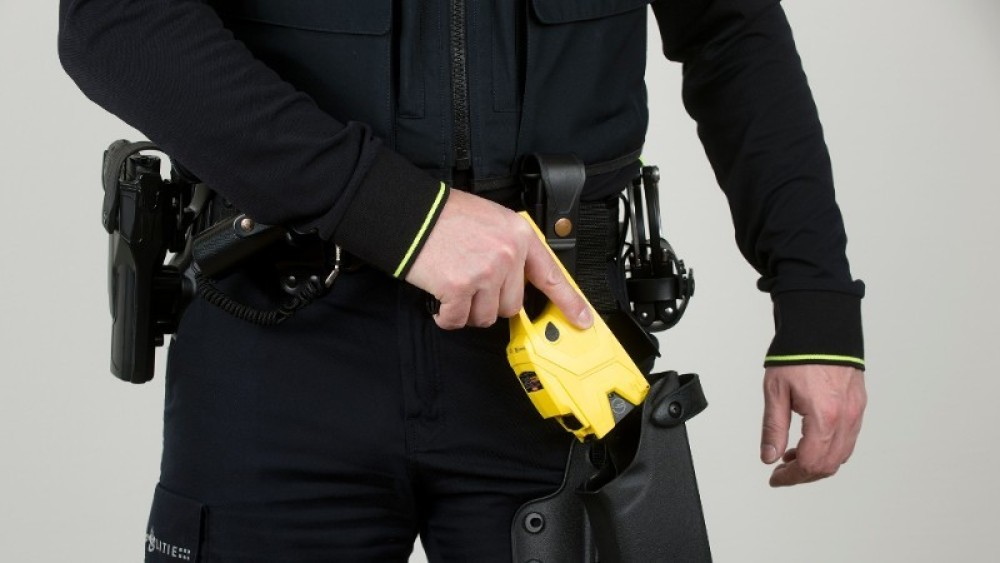
Recent footage of a police officer using a Taser on a delivery driver in Amsterdam has drawn attention to the specific legal conditions under which Dutch law enforcement may deploy conducted energy weapons. These devices are permitted only in strictly defined circumstances, such as preventing violence, addressing immediate danger, or overcoming physical resistance during an arrest.