parool

Winter cold protocol starts Thursday in Amsterdam shelters, more spaces for homeless this winter
Winter cold protocol starts Thursday in Amsterdam shelters, more spaces for homeless this winter

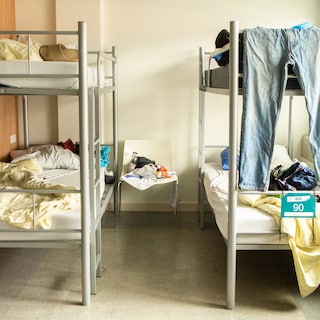
Starting Thursday, Amsterdam is implementing its winter cold weather protocol, providing 452 emergency shelter beds as temperatures drop. The city has increased its overall winter capacity to 774 beds to better support the rising number of homeless individuals.

The city of Amsterdam is activating its winter cold weather protocol starting this Thursday due to a significant drop in temperatures. This regulation, typically beginning in mid-November, provides immediate access to emergency shelter for individuals experiencing homelessness. To accommodate the expected need, the municipality has increased capacity by opening 452 beds across several locations, which is 200 more than were available last year. These facilities will offer overnight guests a bed, showers, and meals, with efforts underway to prepare the sites by the Thursday deadline.

In addition to the cold weather protocol, the city has expanded its regular winter shelter program, which runs from December 1 to April 1, bringing the total capacity for homeless residents to 774 beds. While the regular program requires specific criteria regarding local connection and personal goals, the cold weather emergency shelters have fewer restrictions to ensure maximum accessibility during freezing conditions. City officials emphasize that while these measures are critical, the broader issue of homelessness requires national government intervention and increased investments in affordable housing.

Based on reporting by parool. Translated and condensed by LocalHeadlines.
Related articles

Light show returns to Dam Square on New Year's Eve, 'grim atmosphere has been turned around'

Light show returns to Dam Square on New Year's Eve, 'grim atmosphere has been turned around'

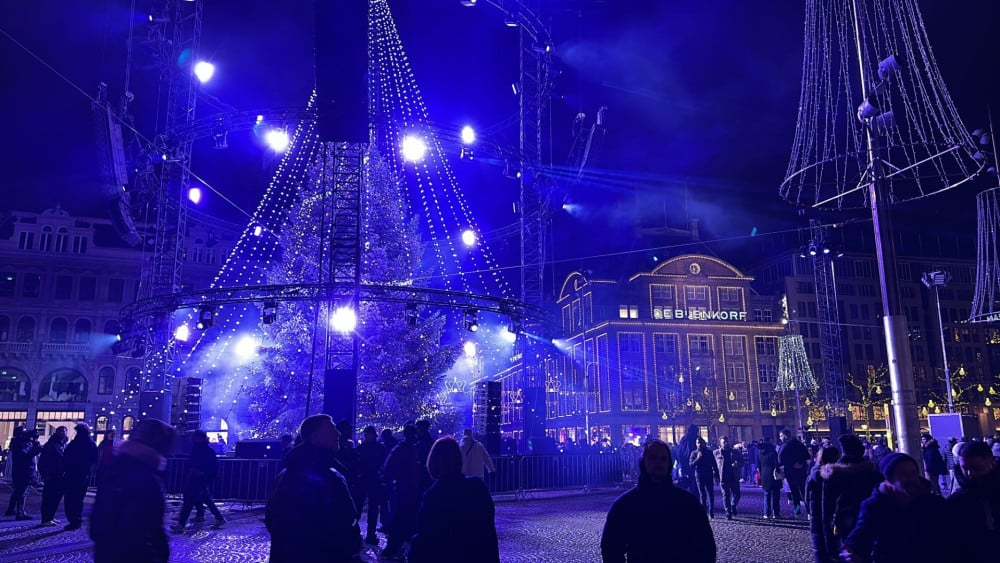
Amsterdam will again host a light and music show on the Dam this New Year's Eve to promote a festive atmosphere, as part of a city-wide effort to create new traditions amid a national ban on consumer fireworks. While the mayor praised the shift toward safer celebrations, she remains focused on managing potential illegal firework activity and resolving community tensions in neighborhoods like Floradorp.

Suzan & Freek to perform three shows at Ziggo Dome in May 2027

Suzan & Freek to perform three shows at Ziggo Dome in May 2027

Dutch duo Suzan & Freek have announced three concerts at the Ziggo Dome for May 2027 following their return to live performing earlier this year. The announcement comes ahead of the November 13 release of their latest album, Pijnstiller, with ticket sales for the concerts beginning this Friday.

PRO wants an end to online manipulation: Boys are being aggressively targeted by gambling sites

PRO wants an end to online manipulation: Boys are being aggressively targeted by gambling sites

Member of Parliament Barbara Kathmann is introducing a bill to combat addictive digital algorithms and manipulative practices that target young people. The legislation aims to restrict features like endless scrolling and predatory marketing by gambling sites to protect the mental health of users.

Stricter rules for holiday rentals to tackle nuisance in residential areas

Stricter rules for holiday rentals to tackle nuisance in residential areas

New Dutch regulations taking effect November 1 require all vacation rental hosts to use a unique registration number and mandate that booking platforms share data with the government. This system is designed to help municipalities combat neighborhood nuisance and better monitor the impact of short-term rentals on the housing market.

Free public transport would cost hundreds of millions: "Furthermore, GVB cannot handle it"

Free public transport would cost hundreds of millions: "Furthermore, GVB cannot handle it"

Making public transport free in Amsterdam would cost an estimated 175 to 250 million euros annually, according to the city's executive board. The municipal government opposes the proposal from BIJ1 and the SP, citing budget constraints, potential capacity issues for the GVB, and concerns about decreased cycling and walking.