nu

Frustration over tax plan seeps into coalition: 'No casino politics'

Frustration over tax plan seeps into coalition: 'No casino politics'

The Dutch government has submitted a new tax plan to Parliament, but it faces significant opposition and internal criticism regarding its lack of a broad consensus. While several smaller parties have signaled potential support, the government remains at risk of instability as it struggles to secure a firm majority.

The Dutch government has sent its latest tax plan to the House of Representatives, but securing sufficient support remains difficult. Prime Minister Rob Jetten has faced frustration from both opposition parties and within the governing coalition. Left-wing parties like PRO and Volt have criticized the lack of a broad consensus, while a right-wing bloc consisting of JA21, BBB, and SGP remains cautious, linking their potential support to demands on asylum, nitrogen policy, and ethical issues. Meanwhile, the cabinet is finding some backing from 50PLUS, the Christian Union, and independent member Gidi Markuszower.

The political stakes go beyond tax policy, as the government faces the risk of collapsing if it fails to secure a majority. Coaliton figures, including CDA leader Henri Bontenbal, have expressed disappointment over the lack of a formal agreement, warning against gambling with the stability of the cabinet. As the House prepares for a formal debate on the proposals, party leaders are openly acknowledging that the upcoming vote will serve as a test for the continued survival of the current government.

Based on reporting by nu. Translated and condensed by LocalHeadlines.

Related articles

Lost in box 3? We explain it to you

Lost in box 3? We explain it to you

The Dutch cabinet is planning to transition to a capital gains tax system for box 3 assets by 2029, replacing the current fictitious return model. This change is expected to cost the state billions, leading officials to seek compensatory tax adjustments and tighter rules for business owners to fill the resulting budgetary gap.

Parliament wants to push through cheaper public transport subscriptions: cabinet must draft plan

Parliament wants to push through cheaper public transport subscriptions: cabinet must draft plan

The Dutch parliament has voted in favor of developing a permanent, affordable public transport subscription following a successful summer pilot that saw 400,000 train passengers use a discounted monthly pass. The cabinet is now tasked with exploring how to extend this initiative to include buses, trams, and metros, though officials warn that funding and logistical negotiations with transport operators pose significant challenges.

Oldest Haarlem timber merchant threatened with closure due to zero-emission zone

Oldest Haarlem timber merchant threatened with closure due to zero-emission zone

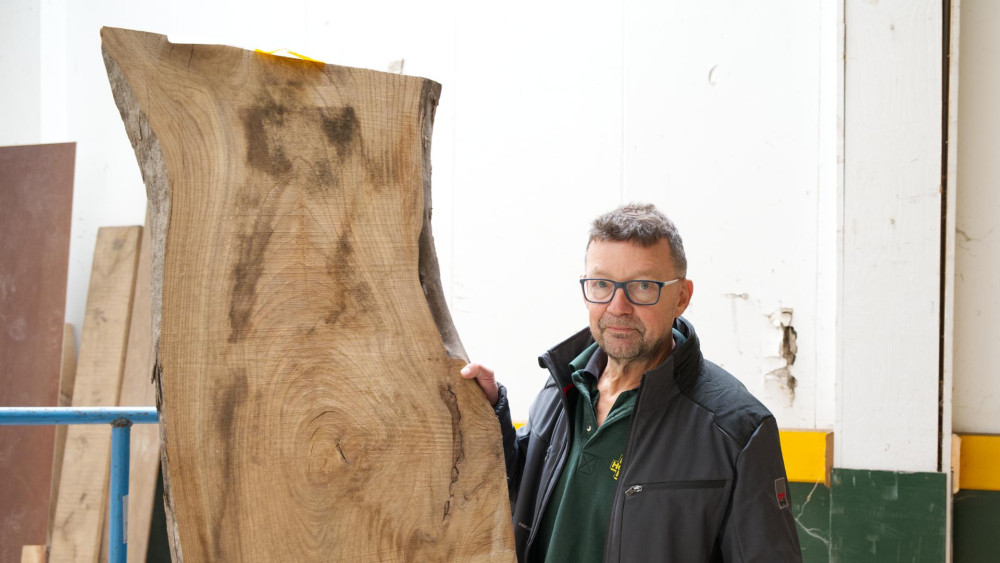
Bremer's Houthandel, a historic business in Haarlem, faces closure because the city's new emission-free zone will restrict the large diesel trucks needed for timber deliveries by 2028. The owner is currently in a court-ordered mediation process with the municipality to seek a solution or potential relocation assistance.

No interest rate cap on student loans: funds to go to vocational students and slightly higher grants

No interest rate cap on student loans: funds to go to vocational students and slightly higher grants

The Dutch government has officially abandoned plans for a 2.5 percent interest rate cap on student loans, citing excessive costs. Instead, 40 million euros will be reallocated to provide tuition reimbursements for vocational students and a slight increase in the monthly grant for those living away from home.

Cabinet adjusts nitrogen plans: 500 and 1000-meter zones scrapped for now

Cabinet adjusts nitrogen plans: 500 and 1000-meter zones scrapped for now

The Dutch cabinet has abandoned plans for strict 500-meter and 1000-meter nitrogen buffer zones around nature reserves, shifting responsibility to provinces to achieve reduction targets. Additionally, the government plans to simplify permit processes, postpone strict livestock density norms, and legalize 2,500 previously illegal businesses by mid-2027.