Sleeping in doorways remains punishable to protect livability
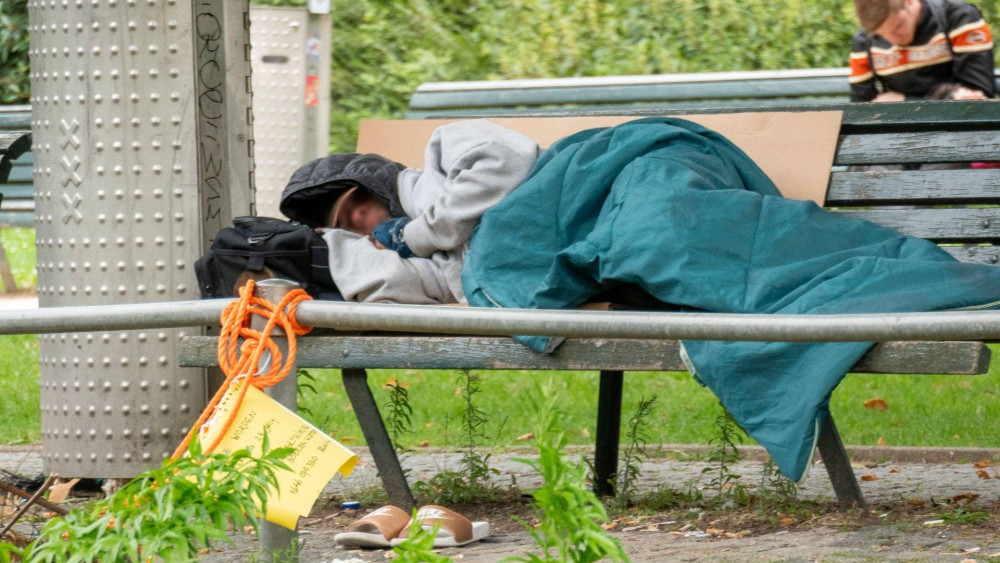
The Amsterdam municipality has introduced a new framework clarifying that while sleeping in public is generally no longer punishable, sleeping directly in front of entrances remains illegal to protect accessibility. Law enforcement must now assess individual situations for direct nuisance before issuing fines and is tasked with referring individuals to social services.
The Amsterdam municipality has established a new framework for law enforcement to regulate outdoor sleeping, clarifying that merely sleeping in public spaces is no longer punishable. However, to ensure accessibility and maintain the quality of living, sleeping directly in front of building entrances remains prohibited. Authorities must now assess each situation for direct nuisance, such as obstructing passages with belongings or causing severe pollution, before issuing fines. Officers are encouraged to prioritize referring individuals to support services and shelters over immediate penalization, though they maintain the authority to issue 24-hour area bans if an individual refuses to move.
Regulations regarding tents and vehicles continue to prohibit their use for sleeping, with plans to streamline the removal procedure from four weeks down to two and a half. While enforcement officers typically refrain from intervening between 10:00 PM and 7:00 AM without reports, they must document all infractions with evidence. Economically valuable items confiscated during such operations must be stored for at least two weeks.
Based on reporting by rss. Translated and condensed by LocalHeadlines.