nu

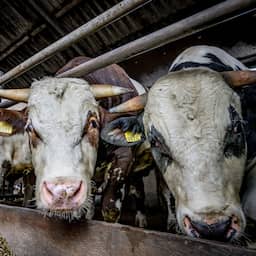
Cabinet plans hit mid-sized farms hardest, food security not at risk
Cabinet plans hit mid-sized farms hardest, food security not at risk

Government nitrogen policies in the Netherlands are set to significantly impact medium-sized farmers as they navigate new emission standards and potential business restructuring. While these measures require substantial investment, experts confirm that the country's overall food security remains stable and the broader national economic impact is expected to be limited.

New government nitrogen policies, introduced by Agriculture Minister Jaimi van Essen, are expected to primarily impact medium-sized livestock farms in the Netherlands. These farmers face significant decisions regarding investments in sustainability, potential business expansion, or downsizing, while larger operations often have more capital and smaller farms are already accustomed to diversified income. The plans, which include a cow density standard and designated buffer zones around sensitive natural areas like the Veluwe, aim to reduce harmful emissions and provide room for construction projects. Researchers emphasize that while these measures are drastic for affected families, the overall impact on the national economy is expected to remain limited, with a projected decline of up to four percent in the agricultural sector's value.

Despite concerns, experts conclude that food security in the Netherlands and the broader European market will not be jeopardized, as domestic production far exceeds national consumption. To assist farmers, the government has allocated 20 billion euros in subsidies, though researchers highlight that providing clarity on permits is essential for encouraging future investments in emission reductions.

Based on reporting by nu. Translated and condensed by LocalHeadlines.
Related articles

Rolling Stones fan and averse to power politics: why Klaas Knot is fighting his stern image

Rolling Stones fan and averse to power politics: why Klaas Knot is fighting his stern image

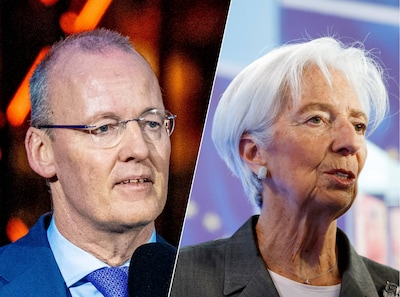
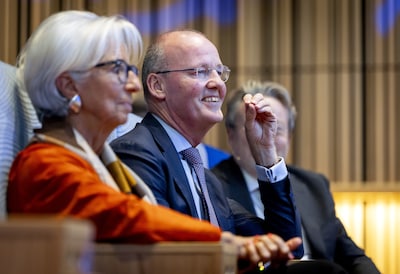
Klaas Knot has been formally nominated by the Netherlands as a candidate for the presidency of the European Central Bank. While recognized for his professional expertise, Knot is currently working to overcome a reputation for being overly stern.

New twist in tax plan soap: D66 open to millionaire's tax, while VVD remains opposed

New twist in tax plan soap: D66 open to millionaire's tax, while VVD remains opposed

A proposal by opposition parties to introduce a millionaire's tax in exchange for supporting the cabinet's budget has caused a deep rift within the Dutch coalition. While D66 and the CDA are open to negotiations, the VVD rejects the plan, creating significant uncertainty regarding the government's stability and its ability to secure a parliamentary majority.

Make or break: Cabinet has no deal, now it is up to the House of Representatives regarding the tax plan

Make or break: Cabinet has no deal, now it is up to the House of Representatives regarding the tax plan

The Dutch minority government faces a critical test in the Tweede Kamer as it attempts to pass a tax plan without a prior deal with opposition parties. The outcome of the upcoming vote is seen as a major challenge to the stability of the current cabinet, as factions on both the left and right present conflicting demands.

Political crisis ahead? Dutch parliament to decide fate of cabinet during tax debate

Political crisis ahead? Dutch parliament to decide fate of cabinet during tax debate

The Dutch cabinet faces a critical test today as parliament debates the 2027 Tax Plan, which serves as a make-or-break moment for the minority government. The coalition must navigate conflicting demands from opposition parties to secure a majority and avoid a major political crisis.

Netherlands officially nominates Klaas Knot as candidate for ECB president

Netherlands officially nominates Klaas Knot as candidate for ECB president

The Dutch government has officially nominated Klaas Knot as a candidate for the presidency of the European Central Bank to replace outgoing president Christine Lagarde. European finance ministers will review the candidates in November, with a final decision expected from the European Council in mid-December.