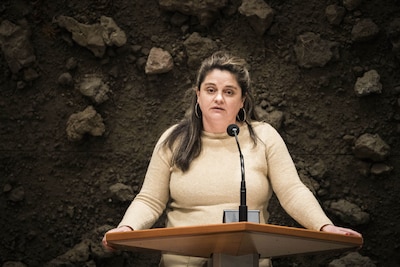
The message after the presentation of the new nutritional guidelines was simple: don't touch our meatballs
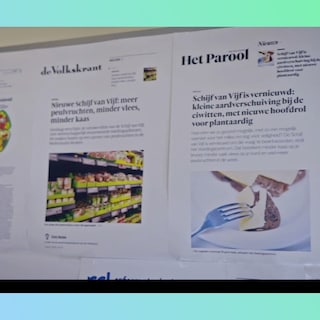
The Netherlands Nutrition Centre faced significant public backlash after updating its healthy eating guidelines to recommend lower meat and cheese consumption. The ensuing debate moved away from nutritional science and into political territory, with critics framing the advice as an unwanted intrusion into personal lifestyle choices.
The Netherlands Nutrition Centre recently introduced an updated version of its long-standing healthy eating guidelines, known as the Schijf van Vijf. While the organization emphasized that these suggestions are not mandatory and focus on gradual dietary improvements, the recommendations sparked significant societal backlash. The controversy stemmed primarily from advice to reduce the consumption of meat and cheese, which triggered a fierce reaction in both the media and the political arena.
The debate quickly shifted away from the nutritional merits of the guidelines toward emotional arguments regarding personal autonomy and the preservation of traditional food habits. Critics, including political figures, framed the advice as intrusive ideological interference. However, experts like Jaap Seidell maintain that considering environmental impacts alongside health outcomes is simply logical. Despite these scientific explanations, public discourse remains polarized, with some politicians actively magnifying the controversy to appeal to voters who feel their lifestyle choices are being unfairly challenged.
Based on reporting by parool. Translated and condensed by LocalHeadlines.