nu

Cyber threats are evolving too quickly for businesses and governments
Cyber threats are evolving too quickly for businesses and governments

The NCTV warns that cyber threats from state actors and criminals are outpacing the digital resilience of organizations in the Netherlands. The report highlights that inadequate resources and the rapid adoption of AI by attackers significantly increase the risk of large-scale sabotage, espionage, and data theft.

The Dutch National Coordinator for Security and Counterterrorism (NCTV) warns in its 2026 Cybersecurity Report that digital threats are evolving faster than the defensive capabilities of organizations in the Netherlands. State actors from countries like Russia, China, Iran, and North Korea are increasingly utilizing sophisticated cyber warfare, while criminal groups continue to target businesses for data theft and extortion, as seen in the recent breach at Odido. The NCTV notes that a lack of strategic management, funding, and resources has created a dangerous gap in national resilience.

Furthermore, the integration of artificial intelligence is accelerating the threat landscape by enabling more efficient malware development and automated attack execution. Although AI also offers potential for defensive measures to identify vulnerabilities, the NCTV emphasizes that smaller organizations, in particular, struggle to keep pace with these advancements. Without urgent improvements in cybersecurity infrastructure and institutional ownership, the report predicts a significant rise in disruptive cyber incidents that could impact critical national processes and societal stability.

Based on reporting by nu. Translated and condensed by LocalHeadlines.

Related articles

Dutch people in Silicon Valley also feel impact of Donald Trump’s policies: 'Tariffs are very chaotic'

Dutch people in Silicon Valley also feel impact of Donald Trump’s policies: 'Tariffs are very chaotic'

Dutch expatriates working in Silicon Valley have expressed concerns regarding the unpredictable policies of Donald Trump, citing chaotic trade tariffs and sudden budget freezes. As the midterm elections approach, these professionals continue to navigate the professional challenges posed by the current administration's political climate.

More cultural funding to the regions? Halsema warns: "The labor market is in Amsterdam"

More cultural funding to the regions? Halsema warns: "The labor market is in Amsterdam"

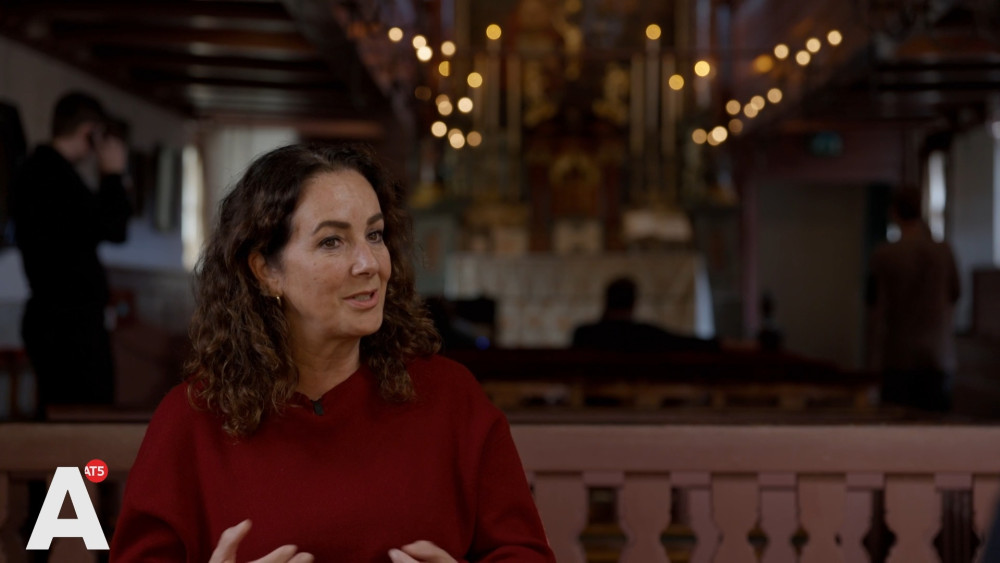
Amsterdam Mayor Femke Halsema has warned the Dutch government against diverting cultural subsidies away from the capital, citing the risk of damaging the city's significant creative labor market. She also defended the autonomy of the arts sector, emphasizing that cultural institutions must remain free from political pressure and secure for all visitors.

Battle for ECB presidency now officially between the Netherlands and Spain

Battle for ECB presidency now officially between the Netherlands and Spain

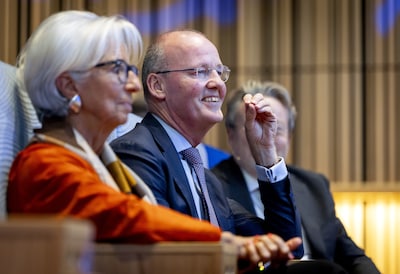
The race for the presidency of the European Central Bank has officially come down to Klaas Knot of the Netherlands and Pablo Hernández de Cos of Spain. With the nomination deadline passed, finance ministers will begin the formal selection process next week, aiming to appoint a successor to Christine Lagarde by mid-December.

New IT crisis at municipality: problems with ground lease computer system, council insufficiently informed

New IT crisis at municipality: problems with ground lease computer system, council insufficiently informed

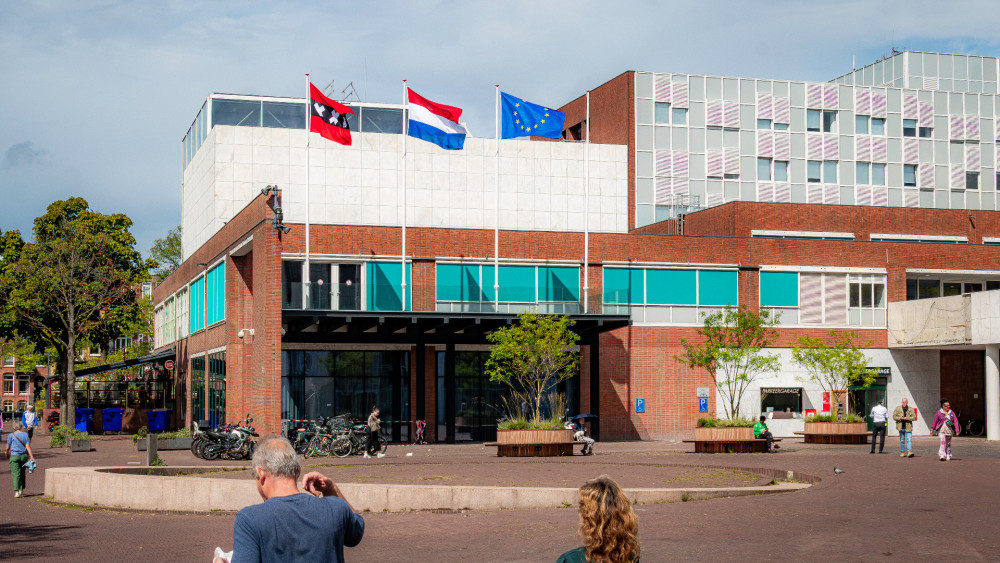
The City of Amsterdam is dealing with an IT crisis involving its leasehold management software as both the outdated legacy system and the long-delayed replacement platform face critical technical issues. Alderman Alexander Scholtes has apologized to the city council for failing to report these risks promptly, despite internal concerns being raised months earlier.

Facts and myths about the millionaire's tax: economist Aart Gerritsen explains what does and does not work

Facts and myths about the millionaire's tax: economist Aart Gerritsen explains what does and does not work

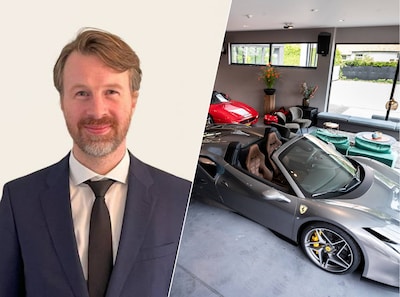
Political parties PRO and Volt have introduced a proposal to generate 1.5 billion euros through a new tax targeting the wealthy. Economist Aart Gerritsen is currently evaluating the feasibility and potential effectiveness of this proposed millionaire tax.