Child of married couple no longer automatically takes father’s surname: ‘Important victory for women’
The Dutch government has proposed a new law that prevents the automatic assignment of a father's surname when parents cannot agree on a name for their child. Instead, children will receive both parents' surnames in alphabetical order, a move intended to promote gender equality and address potential power imbalances in abusive relationships.
The Dutch government is introducing a new legislative proposal to change how children's surnames are assigned when parents cannot agree. Currently, if parents fail to make a choice, the law defaults to the father's surname for married couples and the mother's for unmarried parents. Under the proposed rules, children in these situations would automatically receive a combination of both parents' surnames in alphabetical order. This move aims to ensure gender neutrality and equal treatment of both parents, with a public consultation period starting in January.
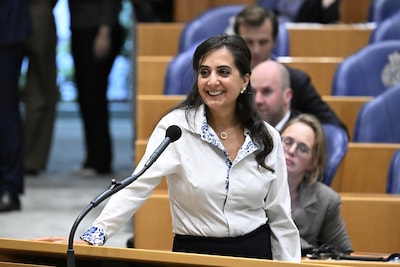
Exceptions can be made by a judge if it is determined that a double surname would not be in the child's best interest, such as in cases involving domestic violence or coercive control. Parents will also have the option to change their child's name within one year of the birth registration. Supporters of the bill, including Parliament member Songül Mutluer, have hailed the proposal as a significant step toward gender equality in the Netherlands.
Based on reporting by ad. Translated and condensed by LocalHeadlines.