rss

Alderman knew canal cruise levy was dubious: "Risk of five million in repayments"
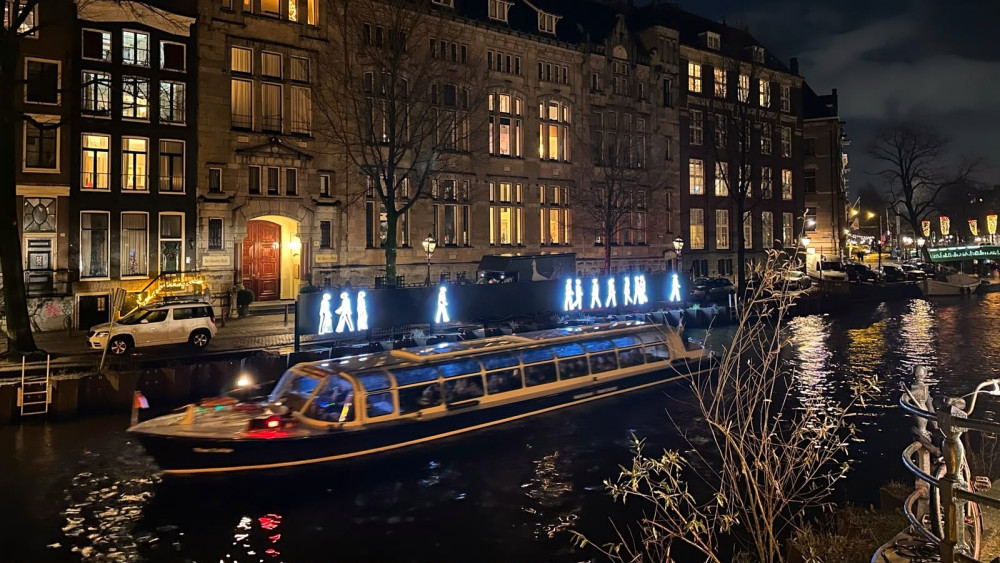
Alderman knew canal cruise levy was dubious: "Risk of five million in repayments"

The Amsterdam municipal government faced a court-ordered reversal of a tour boat passenger levy increase after earlier warnings about its legality were ignored. Officials were aware of a potential five-million-euro repayment risk but proceeded with the fee, which the court later labeled as an abuse of power.

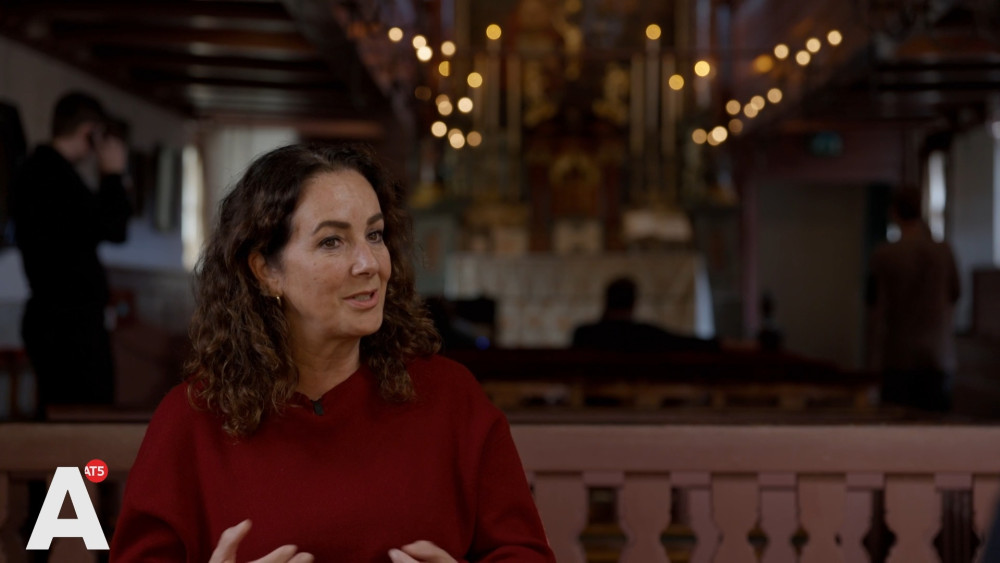
The Amsterdam municipal government was aware that the increase in the tour boat passenger levy faced significant legal risks long before a court recently ruled it invalid. Former alderman Hester van Buren had attempted to amend the regulation in 2025 to justify the fee, citing evolving legislation and cost recovery. During internal discussions, officials acknowledged a risk that five million euros might need to be repaid to boat operators, though they noted these funds were ultimately collected from tourists rather than the companies themselves.

Opposition members had previously warned that the surcharge was unlawful, arguing that it was being used to fund unrelated municipal projects rather than legitimate waterway services. The court ultimately agreed, describing the use of these levies for initiatives like teacher grants as an abuse of power. Following the ruling, opposition parties are now demanding accountability and calling for the city to refund the improperly collected revenue and adjust future tax policies.

Based on reporting by rss. Translated and condensed by LocalHeadlines.
Related articles

Judge blocks higher municipal tax for canal cruise passengers

Judge blocks higher municipal tax for canal cruise passengers

A court has ruled that the city of Amsterdam cannot increase the passenger tax for canal cruise boats to 2.50 euros, reinstating the former rate of 1.50 euros. The judge found that the proposed hike was unlawful because the city failed to justify the fee with direct benefits to the cruise operators and attempted to fund unrelated public programs.

More cultural funding to the regions? Halsema warns: "The labor market is in Amsterdam"

More cultural funding to the regions? Halsema warns: "The labor market is in Amsterdam"

Amsterdam Mayor Femke Halsema has warned the Dutch government against diverting cultural subsidies away from the capital, citing the risk of damaging the city's significant creative labor market. She also defended the autonomy of the arts sector, emphasizing that cultural institutions must remain free from political pressure and secure for all visitors.

New IT crisis at municipality: problems with ground lease computer system, council insufficiently informed

New IT crisis at municipality: problems with ground lease computer system, council insufficiently informed

The City of Amsterdam is dealing with an IT crisis involving its leasehold management software as both the outdated legacy system and the long-delayed replacement platform face critical technical issues. Alderman Alexander Scholtes has apologized to the city council for failing to report these risks promptly, despite internal concerns being raised months earlier.

Stricter rules for holiday rentals to tackle nuisance in residential areas

Stricter rules for holiday rentals to tackle nuisance in residential areas

New Dutch regulations taking effect November 1 require all vacation rental hosts to use a unique registration number and mandate that booking platforms share data with the government. This system is designed to help municipalities combat neighborhood nuisance and better monitor the impact of short-term rentals on the housing market.

Free public transport would cost hundreds of millions: "Furthermore, GVB cannot handle it"

Free public transport would cost hundreds of millions: "Furthermore, GVB cannot handle it"

Making public transport free in Amsterdam would cost an estimated 175 to 250 million euros annually, according to the city's executive board. The municipal government opposes the proposal from BIJ1 and the SP, citing budget constraints, potential capacity issues for the GVB, and concerns about decreased cycling and walking.