nu

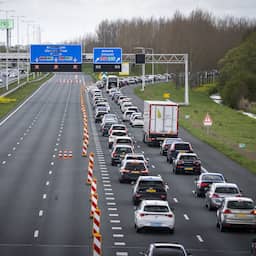
Roads are getting busier and traffic jams are increasing: 'Travel time is becoming unpredictable'
Roads are getting busier and traffic jams are increasing: 'Travel time is becoming unpredictable'

Dutch road infrastructure is under significant pressure due to essential maintenance, leading to warnings of increased congestion and unpredictable travel times. Experts suggest that to cope with the limited capacity and cancelled expansion projects, a combination of behavioral changes like remote work and potential new traffic pricing models will be necessary.

Traffic congestion in the Netherlands is expected to worsen significantly as major maintenance projects on critical infrastructure like bridges and tunnels coincide. Experts warn that travelers will face increasingly unpredictable journey times, with a potential 29 percent increase in delays projected for the coming years. Economic damage could reach 20 billion euros if infrastructure renewal continues to be deferred, as many planned expansion projects have already been cancelled to prioritize essential upkeep. The national road network is currently operating at capacity, and Rijkswaterstaat and ProRail are shifting their focus primarily to maintaining existing infrastructure rather than investing in new capacity.

To mitigate these issues, experts suggest that commuters and employers must adopt more flexible strategies, such as remote work, staggered hours, and shared transportation initiatives. Some suggest that more controversial measures, such as peak-time road pricing or usage levies, may become inevitable to manage traffic distribution and generate necessary revenue for maintenance. While organizations like the ANWB are monitoring the situation, there is no immediate end in sight for the upcoming disruptions to national travel.

Based on reporting by nu. Translated and condensed by LocalHeadlines.
Related articles

Port of Amsterdam applies for permits for eight wind turbines

Port of Amsterdam applies for permits for eight wind turbines

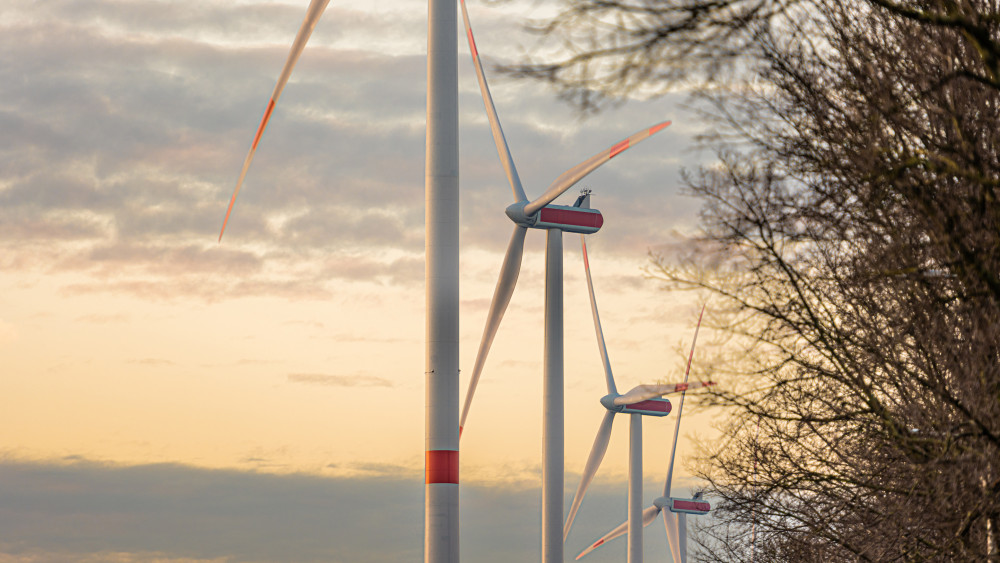
The Port of Amsterdam has applied for permits to install eight 200-meter-tall wind turbines in the Western Port area to increase regional renewable energy production. The Province of North Holland will now review the applications, though approval is not guaranteed given recent regional political conflicts over wind energy projects.

Ajax's financial lead over PSV is also under pressure: 'The brand is shrinking along with the results'

Ajax's financial lead over PSV is also under pressure: 'The brand is shrinking along with the results'

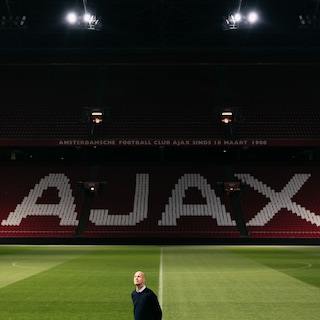
Ajax is struggling to maintain its financial competitiveness against PSV Eindhoven due to high wage costs and an aging squad. The club's reliance on a singular strategic vision under Jordi Cruijff leaves it vulnerable as its brand value tracks with declining on-field performance.

Judge blocks higher municipal tax for canal cruise passengers

Judge blocks higher municipal tax for canal cruise passengers

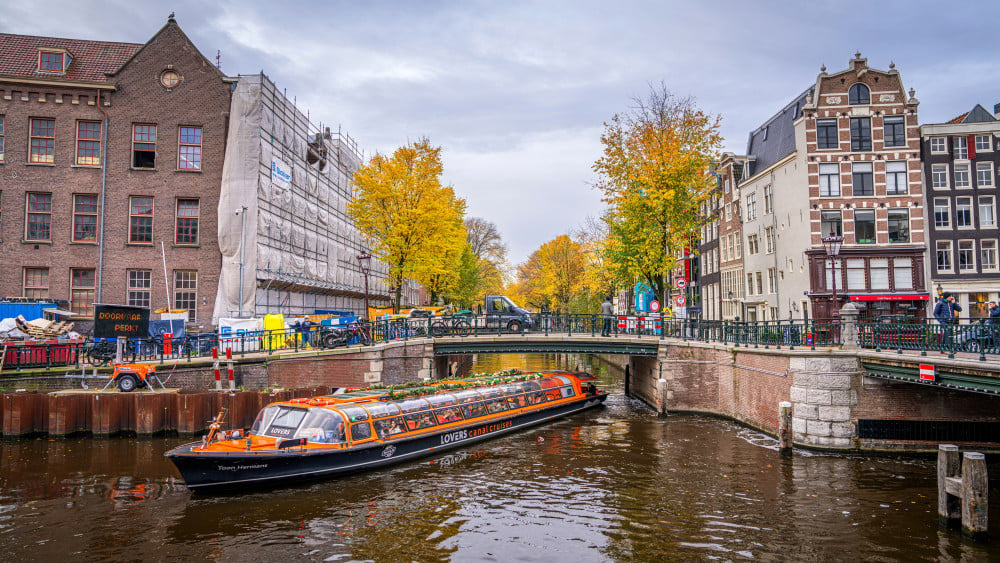
A court has ruled that the city of Amsterdam cannot increase the passenger tax for canal cruise boats to 2.50 euros, reinstating the former rate of 1.50 euros. The judge found that the proposed hike was unlawful because the city failed to justify the fee with direct benefits to the cruise operators and attempted to fund unrelated public programs.

Judge blocks higher municipal tax for canal cruise passengers

Judge blocks higher municipal tax for canal cruise passengers

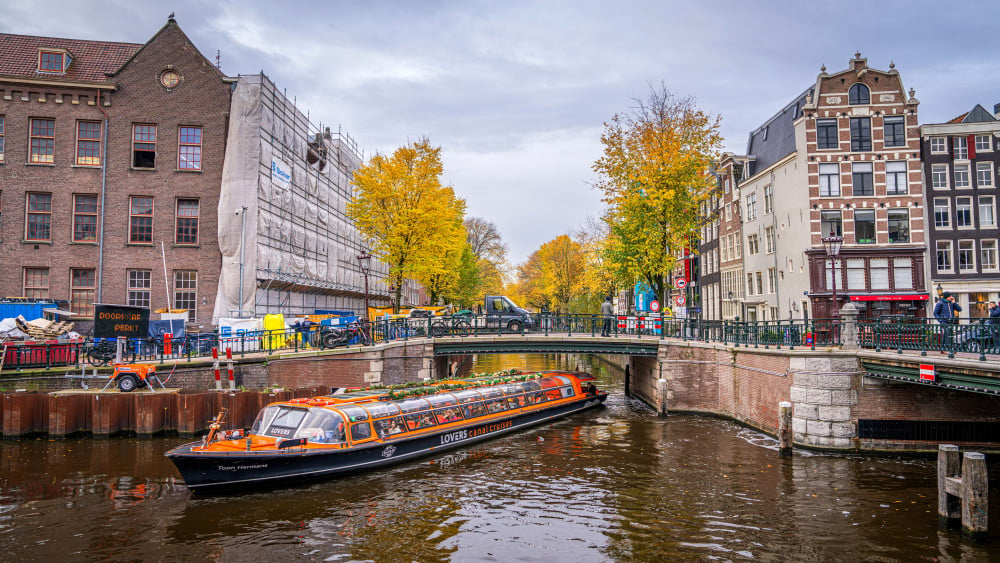
A court has ruled that Amsterdam acted unlawfully in raising the passenger levy for canal cruise boats to 2.50 euros, ordering the rate to return to 1.50 euros. The judge found that the city failed to justify the increase, as the revenue was intended to fund unrelated social programs rather than nautical services.

More cultural funding to the regions? Halsema warns: "The labor market is in Amsterdam"

More cultural funding to the regions? Halsema warns: "The labor market is in Amsterdam"

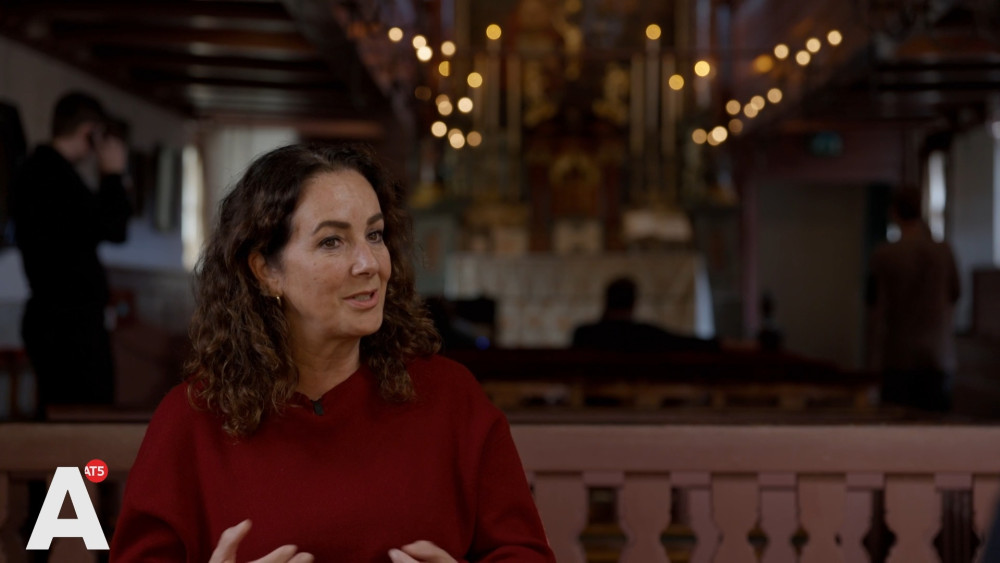
Amsterdam Mayor Femke Halsema has warned the Dutch government against diverting cultural subsidies away from the capital, citing the risk of damaging the city's significant creative labor market. She also defended the autonomy of the arts sector, emphasizing that cultural institutions must remain free from political pressure and secure for all visitors.