rss

Letter from entrepreneurs to municipality on tourist tax hike: "Many negative consequences"

Letter from entrepreneurs to municipality on tourist tax hike: "Many negative consequences"

Business leaders in Amsterdam are urging the city council to pause and reconsider a planned hike in tourist tax that could reach 20 percent by 2031. They warn that the combined effect of this tax and a national VAT increase will place a 41 percent burden on hotel stays, threatening the viability of the city's hospitality and events sectors.

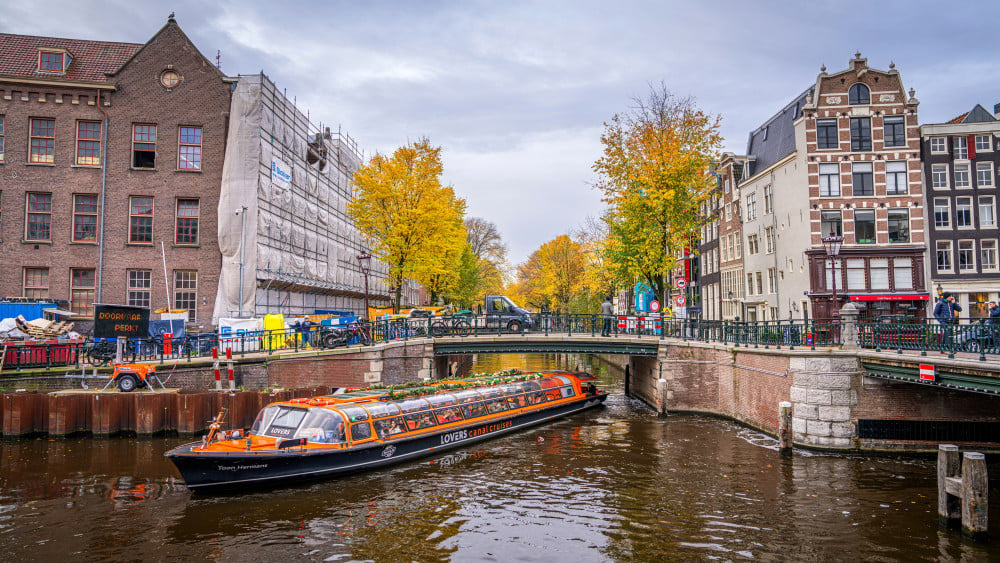
Business leaders from the cultural, hospitality, and events sectors have formally requested that the Amsterdam city council reconsider planned increases to the tourist tax. While the rate currently stands at 12.5 percent, it is scheduled to rise to 16 percent next year and reach 20 percent by 2031, which would make it the highest tourist tax in the world. Stakeholders are particularly concerned that this surcharge, combined with the national VAT increase for hotel stays from 9 to 21 percent, will result in a total tax burden of 41 percent on overnight visitors by 2031.

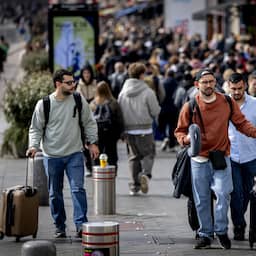
Industry representatives warn that these cumulative costs will drive away major conferences and international events, leading to a long-term decline in local spending and employment. They argue that tourists may choose to stay outside the city to avoid the high costs, while still accessing the city center during the day. The group is calling for an immediate suspension of the tax hike and an independent study to evaluate the total economic impact on the city.

Based on reporting by rss. Translated and condensed by LocalHeadlines.
Related articles

More cultural funding to the regions? Halsema warns: "The labor market is in Amsterdam"

More cultural funding to the regions? Halsema warns: "The labor market is in Amsterdam"

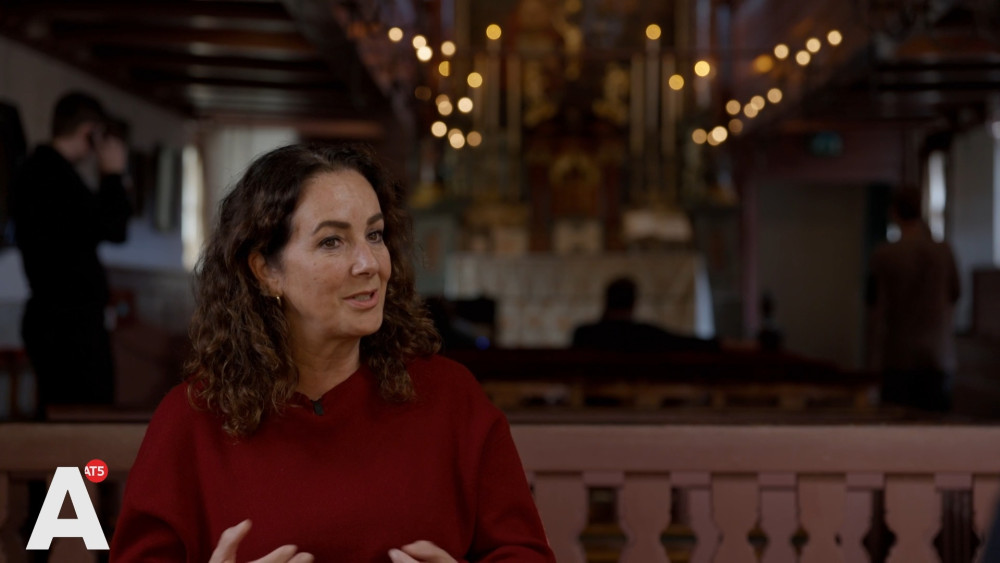
Amsterdam Mayor Femke Halsema has warned the Dutch government against diverting cultural subsidies away from the capital, citing the risk of damaging the city's significant creative labor market. She also defended the autonomy of the arts sector, emphasizing that cultural institutions must remain free from political pressure and secure for all visitors.

Judge blocks higher municipal tax for canal cruise passengers

Judge blocks higher municipal tax for canal cruise passengers

A court has ruled that the city of Amsterdam cannot increase the passenger tax for canal cruise boats to 2.50 euros, reinstating the former rate of 1.50 euros. The judge found that the proposed hike was unlawful because the city failed to justify the fee with direct benefits to the cruise operators and attempted to fund unrelated public programs.

Ron Blaauw closes Michelin-starred restaurant in Amsterdam-Zuid: 'Times have changed'

Ron Blaauw closes Michelin-starred restaurant in Amsterdam-Zuid: 'Times have changed'

Chef Ron Blaauw is closing his Michelin-starred Ron Gastrobar in Amsterdam-Zuid after fourteen years to pursue a new, more flexible dining concept. The restaurant will cease operations in February, with a new project to be announced in December, while his other business locations across the Netherlands will remain open.

Stricter rules for holiday rentals to tackle nuisance in residential areas

Stricter rules for holiday rentals to tackle nuisance in residential areas

New Dutch regulations taking effect November 1 require all vacation rental hosts to use a unique registration number and mandate that booking platforms share data with the government. This system is designed to help municipalities combat neighborhood nuisance and better monitor the impact of short-term rentals on the housing market.

Is Amsterdam losing its sparkle? The craft of diamond cutting is dying out in the Netherlands

Is Amsterdam losing its sparkle? The craft of diamond cutting is dying out in the Netherlands

The traditional trade of diamond cutting is nearing extinction in the Netherlands, leaving only two companies to maintain the craft through internal apprenticeship programs. While Amsterdam lost its status as the global hub for diamond processing after World War II, firms like Gassan and Royal Coster Diamonds are working to preserve the industry by training new specialists.