nu

Spaniards strike en masse over housing and cost of living prices
Spaniards strike en masse over housing and cost of living prices

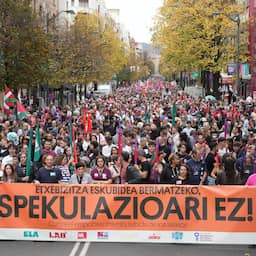
Massive strikes have erupted across Spain as citizens protest rising housing costs and inflation that have outpaced stagnant wage growth. The demonstrations caused significant transport disruptions and brought thousands to the streets, highlighting the growing public frustration ahead of the upcoming parliamentary elections.

Spaniards have engaged in massive nationwide strikes organized by the country's two largest labor unions to protest soaring housing costs and the rising expense of living. Participation varied significantly across different sectors and regions, with significant disruptions reported in Madrid and Catalonia, including blocked roads and paralyzed public transportation services. Police made dozens of arrests as thousands took to the streets to demonstrate against economic pressures that have left many citizens struggling to keep pace with inflation.

Public anger has been fueled by a widening gap between stagnant wages and rapidly increasing rent prices, with housing costs consuming nearly half of the average monthly salary. The crisis recently gained national attention following the eviction and subsequent death of 87-year-old Maricarmen Abascal, who was forced from her home of seven decades due to a sudden rent increase. The unrest comes shortly before the November 29 parliamentary elections, creating a sharp political divide between Prime Minister Pedro Sánchez, who supports the protesters, and conservative opposition leader Alberto Núñez Feijóo.

Based on reporting by nu. Translated and condensed by LocalHeadlines.
Related articles

Climate summit in Turkey could be the largest ever, but many world leaders are missing

Climate summit in Turkey could be the largest ever, but many world leaders are missing

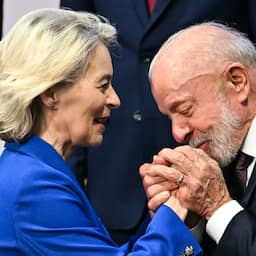
The climate summit in Antalya, Turkey, has achieved record attendance levels but faces significant criticism due to the absence of many major world leaders. While representatives from numerous nations are negotiating a transition toward electrical energy, activists and figures like President Lula da Silva expressed concerns that political momentum for climate action is stalling.

German government to fill extra gas reserves for emergencies

German government to fill extra gas reserves for emergencies

The German government is creating a 24 terawatt-hour strategic gas reserve to protect against future supply disruptions, funded by a small surcharge on household utility bills. While Germany continues to secure its energy needs through alternative imports, the broader European gas reserves remain at their lowest level in ten years.

Alleged spy who had affair with NVIDIA executive travels to Taiwan

Alleged spy who had affair with NVIDIA executive travels to Taiwan

Taiwanese authorities are reviewing border security procedures after it was discovered that Alice Huang, an alleged Chinese spy who had an affair with Nvidia CEO Jensen Huang, successfully entered the country. The government has revoked her residency permit and launched an investigation following reports that she acted as an informant for the Chinese intelligence services.

Netherlands should pay 635 euros per household for climate finance: how does that work?

Netherlands should pay 635 euros per household for climate finance: how does that work?

The Netherlands may require an annual contribution of 635 euros per household to meet international climate finance commitments under the Paris Agreement. Covering full climate requirements could cost thousands per household, leading to debates on whether to implement taxes on the wealthy or pass the costs to average citizens.

Agreement with Germany: more and faster trains between Amsterdam and Berlin, Hamburg and Frankfurt

Agreement with Germany: more and faster trains between Amsterdam and Berlin, Hamburg and Frankfurt

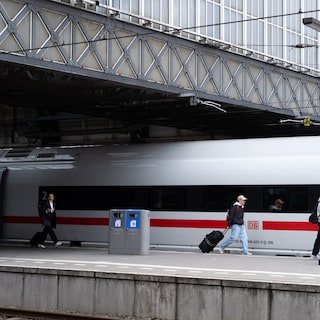
Dutch State Secretary Annet Bertram and German Transport Minister Steffen Bilger have agreed to improve rail connections between Amsterdam and various German cities. The plan focuses on increasing train frequency, reducing travel times, and expediting the connection of the Betuweroute freight line to the German rail network.