Polder along the Amstel river must keep Amsterdam dry during extreme weather
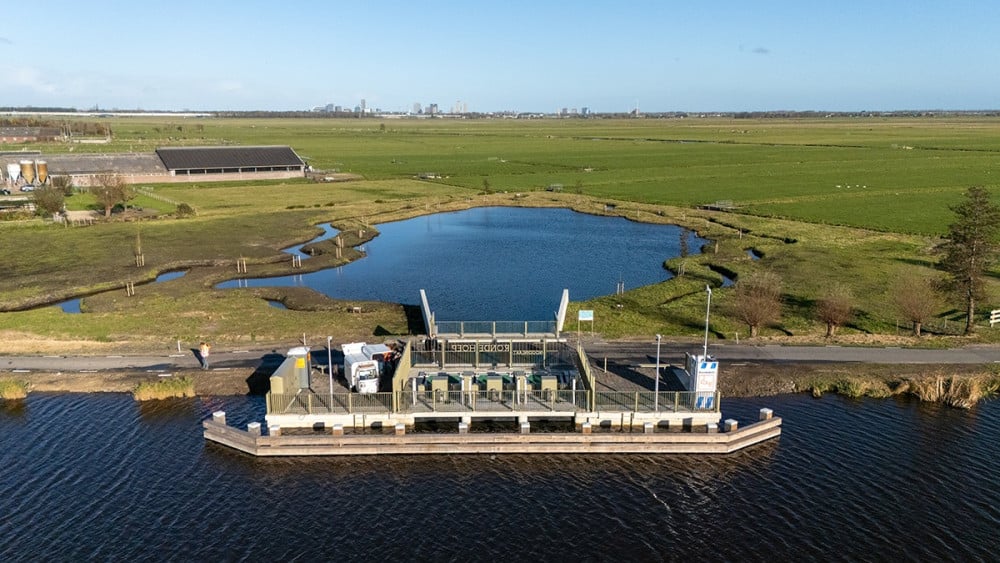
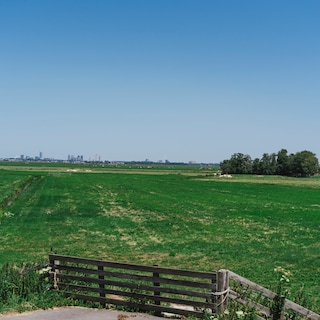
The Amstel, Gooi en Vecht Water Board has created an emergency overflow area in the De Rondehoep polder to protect Amsterdam and its neighboring regions from severe flooding. In extreme circumstances, water can be diverted into the polder to prevent overflow, with a compensation scheme in place for local farmers affected by potential flooding.
The Amstel, Gooi en Vecht Water Board has completed an emergency overflow facility in the De Rondehoep polder to protect Amsterdam and surrounding areas from flooding during extreme weather. This system is designed as a last resort, allowing up to 2.4 billion liters of water to be diverted into the 600-hectare polder if conventional measures fail. The move aims to safeguard approximately 1.4 million residents against catastrophic water levels resulting from combinations of heavy rainfall and high water on the IJmeer or Markermeer.
To address concerns from local farmers and residents, the Water Board has established a comprehensive compensation scheme that covers potential property damage and lost income from flooding. Although the facility is officially operational, officials emphasized that its activation would only occur during extreme, once-in-a-century events. Once flooded, it would take approximately two weeks to pump the polder dry. Local authorities and residents acknowledge the necessity of this infrastructure while expressing hope that the emergency measure will never need to be deployed.
Based on reporting by rss. Translated and condensed by LocalHeadlines.