ad

The Netherlands to send rejected asylum seekers to Rwanda: is that even possible?

The Netherlands to send rejected asylum seekers to Rwanda: is that even possible?

The Netherlands and four other European nations are planning to transfer rejected asylum seekers to Rwanda to address issues with low return rates. While the initiative intends to serve as a deterrent, it faces potential legal hurdles regarding the assurance of human rights in the host country.

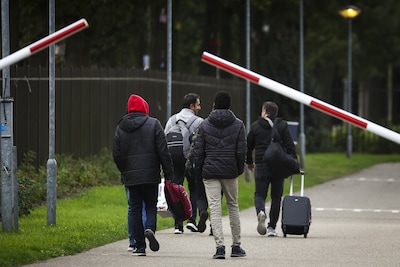
The Netherlands, alongside Germany, Denmark, Greece, and Austria, is developing a plan to transfer rejected asylum seekers to Rwanda. Unlike a failed British attempt that involved outsourcing the entire asylum process, this European initiative aims to use Rwanda specifically as a host country for individuals whose asylum claims have been definitively rejected. Officials expect to finalize a binding agreement by early 2027, though they anticipate legal challenges may delay the first transfers. The program will initially target a small group of healthy, single men aged 25 to 45 who are originally from African nations.

This pilot program is designed as a deterrent to encourage more migrants to return to their countries of origin voluntarily, as a significant number of rejected applicants currently remain in the EU illegally. Rwanda will receive economic support in exchange for providing housing, healthcare, and employment opportunities to the migrants. International organizations are expected to monitor the treatment of those transferred to ensure human rights standards are upheld throughout the process.

Based on reporting by ad. Translated and condensed by LocalHeadlines.

Related articles

Climate summit expectations are low, but the president is aiming high

Climate summit expectations are low, but the president is aiming high

The president of the climate summit in Antalya has introduced an ambitious draft text that pushes for significant climate action and increased funding for developing nations. This bold approach aims to force consensus among 190 countries, though it challenges the red lines of major powers and risks substantial watering down during negotiations.

Council questions following AT5 documentary on repatriating homeless people

Council questions following AT5 documentary on repatriating homeless people

Following an investigative report by AT5, local political parties are questioning Amsterdam's policy of repatriating homeless people without proper support or connections to their destinations. The investigation found that 640 people have been sent abroad this year, with many ending up back on the streets due to a lack of guidance and oversight.

It is now official: Rwanda to host first European 'return hub', cabinet hopes for deterrent effect

It is now official: Rwanda to host first European 'return hub', cabinet hopes for deterrent effect

The Netherlands is working with an EU coalition to establish a return hub in Rwanda for rejected asylum seekers to serve as a deterrent. The plan targets healthy, single men who cannot be sent back to their home countries, although officials expect lengthy legal battles before the first transfers occur.

And that makes it day four: here is why the crisis talks in The Hague are taking so long

And that makes it day four: here is why the crisis talks in The Hague are taking so long

Coalition partners D66, VVD, and CDA are holding a fourth day of crisis talks in The Hague to address a significant breakdown in trust caused by disputes over tax policies. The parties are debating whether to continue governing together and how to reconcile their conflicting preferences for either right-leaning or left-leaning political cooperation.

Franciscus Table cooks for the homeless and sees queues growing longer: "But everyone is welcome"

Franciscus Table cooks for the homeless and sees queues growing longer: "But everyone is welcome"

The Franciscustafel in Amsterdam is experiencing a significant rise in demand, serving 10,000 people annually compared to 6,000 previously. The initiative provides free meals to homeless people and those in financial distress, relying on public donations to maintain its services.