nu

Higher refining margins drive up diesel prices at the pump
Higher refining margins drive up diesel prices at the pump

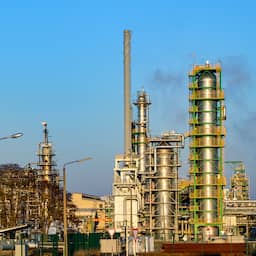
Diesel prices have surged significantly due to a combination of rising crude oil costs and a doubling of refinery margins. Global supply disruptions caused by conflict in the Middle East and reduced Russian output have tightened fuel availability, driving prices higher at the pump.

Diesel prices at the pump have seen a significant increase, rising from 1.80 euros to 2.35 euros per liter between January and early November. While the cost of crude oil contributed to this rise, experts from the Dutch central bank, DNB, and the Authority for Consumers and Markets note that soaring refinery margins and operational costs are the primary drivers. These margins have more than doubled during the year, accounting for nearly a fifth of the final price paid by consumers.

The global fuel supply has been strained by geopolitical conflicts, particularly the war involving Iran and the United States, which caused disruptions in the Middle East. The blockade of the Strait of Hormuz has left numerous tankers stranded, while damaged infrastructure further restricts output. Additionally, reduced exports of refined products from Russia have compounded the scarcity. Higher transportation and energy expenses for refineries further exacerbate the situation, resulting in current pump prices for diesel and gasoline reaching record highs in the market.

Based on reporting by nu. Translated and condensed by LocalHeadlines.

Related articles

Traditional bank to enter crypto soon, but who will be first: Rabo, ING, or ABN Amro?

Traditional bank to enter crypto soon, but who will be first: Rabo, ING, or ABN Amro?

Major Dutch banks such as Rabobank, ING, and ABN Amro are expected to enter the cryptocurrency market within the next two years. Regulatory authorities are preparing for this shift while expressing concerns regarding potential risks for consumers.

China and Canada once again lower various import tariffs

China and Canada once again lower various import tariffs

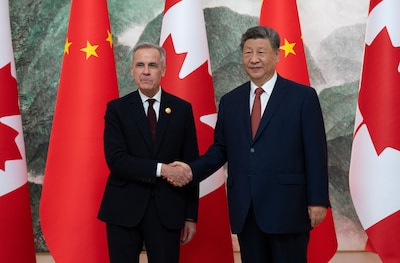
Canadian Prime Minister Mark Carney and Chinese President Xi Jinping have agreed to reduce import tariffs on various goods, including pork and seafood, to boost trade. The announcement was made ahead of the APEC summit in Shenzhen, building on previous trade adjustments made earlier this year.

Companies already struggling to attract AI specialists due to labor shortages

Companies already struggling to attract AI specialists due to labor shortages

Dutch companies are finding it increasingly difficult to hire AI-proficient staff as the demand for these skills spreads from technical roles to fields like marketing and finance. Despite widespread anxiety regarding job security, large-scale layoffs have yet to occur, with many employers opting to invest in training and global recruitment to address the talent shortage.

CNV union reaches agreement on new collective labor agreement for ANWB employees after strike

CNV union reaches agreement on new collective labor agreement for ANWB employees after strike

The trade union CNV has secured a new collective labor agreement for over 4,000 ANWB employees, featuring a 7.5 percent wage increase over two years. This agreement follows a recent strike that caused limited disruption, with union members now scheduled to vote on the proposal.

Mercedes also gives up control of the steering wheel

Mercedes also gives up control of the steering wheel

Mercedes-Benz is rolling out a new autonomous driving system that will be available in the United States and Germany this year, with an expansion to other markets including the Netherlands planned for next year. The technology uses a combination of radar, cameras, and ultrasound to offer hands-free highway driving while maintaining a focus on regulatory compliance and safety.