Skylights in the Oosterdok make water quality visible with the help of microbes
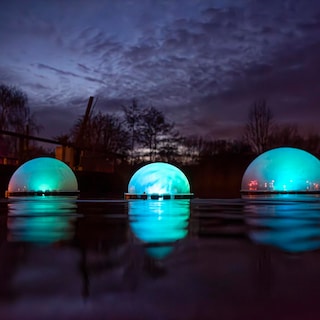
Floating light domes installed in Amsterdam's Oosterdok visualize local water quality using data collected by sensors and powered by microbial energy. The project, a collaboration between the water board and local partners, aims to spark public awareness regarding the necessity of maintaining clean water in light of upcoming European environmental standards.
In the Oosterdok near the Nemo Science Museum in Amsterdam, three floating domes have been installed to visually represent local water quality. These installations utilize sensors to measure factors such as temperature and acidity, with an algorithm then translating this data into specific colors. The lighting is powered by electricity generated from natural bacterial processes occurring in the water bed, reflecting a project known as Living Water. This initiative aims to raise awareness about the urgent need for improved water quality, as current levels do not meet European standards set for 2027.
To address these environmental challenges, the regional water board has allocated significant funding, leading to tax increases for residents. The project encourages the public to adopt sustainable habits, such as preventing littering and reducing chemical runoff in their gardens. This collaborative effort involves partners including the municipality, Deltares, and the Nemo Science Museum, building on similar previous installations in other Dutch cities.
Based on reporting by parool. Translated and condensed by LocalHeadlines.