ad

Paracetamol for 4.75 euros in Berlin, 64 cents in Amsterdam: why do Germans pay so much more?
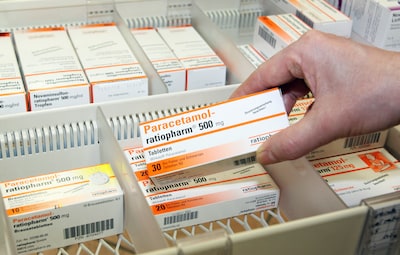
Paracetamol for 4.75 euros in Berlin, 64 cents in Amsterdam: why do Germans pay so much more?

Medicines in Germany, such as paracetamol and cancer treatments, are up to 76 percent more expensive than in the Netherlands. The article examines the reasons behind this significant price disparity and explains why Dutch consumers are protected from such high costs.

Based on reporting by ad. Translated and condensed by LocalHeadlines.

Related articles

Vacancy | NU.nl is looking for a social economy and healthcare reporter

Vacancy | NU.nl is looking for a social economy and healthcare reporter

NU.nl is hiring a reporter specializing in social economy and healthcare to produce original, investigative stories for its audience. The full-time position requires three years of experience and is based in Amsterdam-Duivendrecht.

Netherlands wants to save emergency oil reserves, but pressure to release more grows

Netherlands wants to save emergency oil reserves, but pressure to release more grows

The Netherlands is resisting international pressure to release additional strategic oil reserves, arguing that these should be used only for severe supply crises rather than managing global prices. While global diesel and kerosene supplies are tightening, officials and experts maintain there is no immediate fuel shortage in the Netherlands or Europe.

Belgian strike affects train passengers to and from the Netherlands

Belgian strike affects train passengers to and from the Netherlands

A 24-hour rail strike in Belgium is causing significant travel disruptions, including canceled train services to and from the Netherlands and approximately 140 flight cancellations at Brussels Airport. Passengers are advised to check updated travel schedules as labor unions protest government austerity measures through widespread industrial action.

End to intake freeze at Levvel, youths with severe issues can once again be admitted in Amsterdam

End to intake freeze at Levvel, youths with severe issues can once again be admitted in Amsterdam

Care organization Levvel has ended its intake freeze for Amsterdam youth following successful negotiations to secure more beds for those in need of severe residential care. While access has been restored, the municipality is demanding better coordination among providers and has initiated an independent financial audit of Levvel to ensure future stability.

Trade with Russia remains lucrative, but companies face risks

Trade with Russia remains lucrative, but companies face risks

Despite 21 rounds of European Union sanctions against Russia, some businesses continue to profit by using third-party countries to bypass export restrictions. Experts warn that while such trade is lucrative, it carries significant legal risks, including criminal prosecution and prison time for those who intentionally circumvent these measures.