nu

Netherlands wants to save emergency oil reserves, but pressure to release more grows
Netherlands wants to save emergency oil reserves, but pressure to release more grows

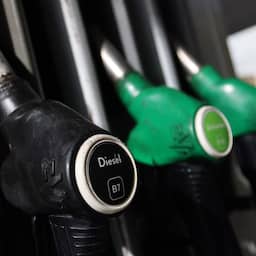
The Netherlands is resisting international pressure to release additional strategic oil reserves, arguing that these should be used only for severe supply crises rather than managing global prices. While global diesel and kerosene supplies are tightening, officials and experts maintain there is no immediate fuel shortage in the Netherlands or Europe.

The Netherlands is expressing hesitation regarding calls to release more of its strategic oil reserves despite international pressure. While the International Energy Agency has urged countries to provide additional fuel to stabilize the global market, the Dutch Ministry of Climate and Green Growth maintains that reserves should be reserved for genuine emergencies rather than market price manipulation. Currently, there are no fuel shortages reported within the Netherlands or across Europe, and experts believe the region remains well-supplied thanks to its refinery capacity and diversified crude oil imports. However, the global market is facing a significant tightening of diesel and kerosene supplies, causing rising costs that impact consumer prices. While the Netherlands previously committed to releasing a portion of its strategic stock, officials argue that further reductions could endanger domestic security during the upcoming winter. The government continues to monitor the situation, stating that any future release of reserves would require a strong justification and consultation with international partners to ensure energy reliability remains protected.

Based on reporting by nu. Translated and condensed by LocalHeadlines.

Related articles

Belgian strike affects train passengers to and from the Netherlands

Belgian strike affects train passengers to and from the Netherlands

A 24-hour rail strike in Belgium is causing significant travel disruptions, including canceled train services to and from the Netherlands and approximately 140 flight cancellations at Brussels Airport. Passengers are advised to check updated travel schedules as labor unions protest government austerity measures through widespread industrial action.

Regional transport strikes in full swing: 'It varies by region'

Regional transport strikes in full swing: 'It varies by region'

Regional transport workers in the Netherlands have begun a series of weekly strikes after collective labor agreement talks failed. Employees are pushing for better pay and improved working conditions, causing widespread but region-specific disruptions to bus and train services.

Cyber incident costs Albert Heijn at least 10 million euros, experts estimate

Cyber incident costs Albert Heijn at least 10 million euros, experts estimate

Experts estimate that a recent cyber incident has cost supermarket chain Albert Heijn at least 10 million euros in lost revenue and operational expenses. The disruption has halted online ordering and caused supply chain issues in physical stores, leading to a significant drop in the parent company's market value.

Regional transport workers go on strike: 'I want to stand up for my future'

Regional transport workers go on strike: 'I want to stand up for my future'

Regional bus drivers in the Netherlands have launched a series of strikes to protest proposed changes to their work schedules and longer, ten-hour shifts. The workers argue these new conditions negatively impact their personal lives and safety, while employers maintain that negotiations should have been handled without industrial action.

Empty shelves, saunas in the coolers: our essential services are vulnerable to cyber incidents

Empty shelves, saunas in the coolers: our essential services are vulnerable to cyber incidents

The grocery sector is increasingly facing cybersecurity threats, leading to incidents such as empty store shelves and malfunctioning cooling equipment. Experts warn that these vulnerabilities in essential services could cause further public instability if security measures are not improved.