parool

Ferry operators to strike on September 9: no ferry service between North and the rest of Amsterdam all day
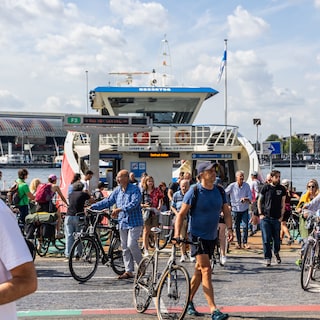
Ferry operators to strike on September 9: no ferry service between North and the rest of Amsterdam all day

GVB employees in Amsterdam, including ferry operators, will strike on September 9, causing a total halt to public transport services. The action is a protest against proposed government budget cuts to social security, which threaten to isolate the borough of North from the rest of the city.

On September 9, public transport in Amsterdam will come to a complete standstill as GVB employees, including ferry operators, participate in a 24-hour strike. This labor action will result in the total suspension of bus, tram, metro, and ferry services throughout the city, effectively isolating the borough of North from the rest of the capital. With 112,000 residents affected, local authorities are currently exploring alternative transport options, though commuters may need to rely on cars or bicycles via the Schellingwouderbrug. It remains uncertain if the IJtunnel will be opened to cyclists, as was the case during a national strike in 2019.

The strike is organized by the FNV union to protest proposed government austerity measures totaling 6.5 billion euros, which include changes to retirement age and social security benefits. Public transport workers argue these cuts threaten their future safety nets, particularly given the physically demanding nature of their roles. This follows a previous partial strike in June, though the upcoming demonstration is expected to cause significantly more disruption across the entire Amsterdam transit network.

Based on reporting by parool. Translated and condensed by LocalHeadlines.
Related articles

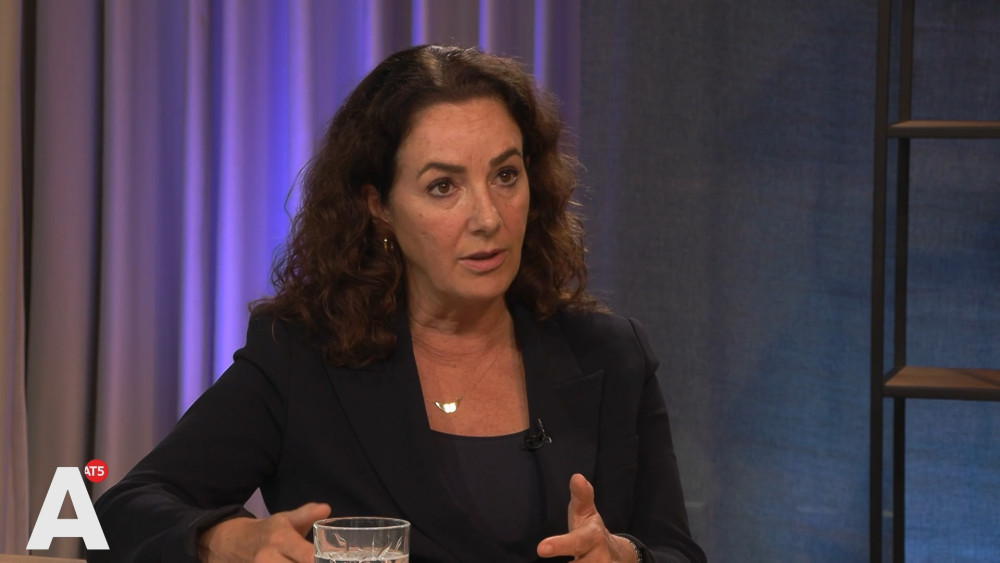
Halsema: number of tourists must be curbed, even if it costs the hospitality industry visitors

Halsema: number of tourists must be curbed, even if it costs the hospitality industry visitors

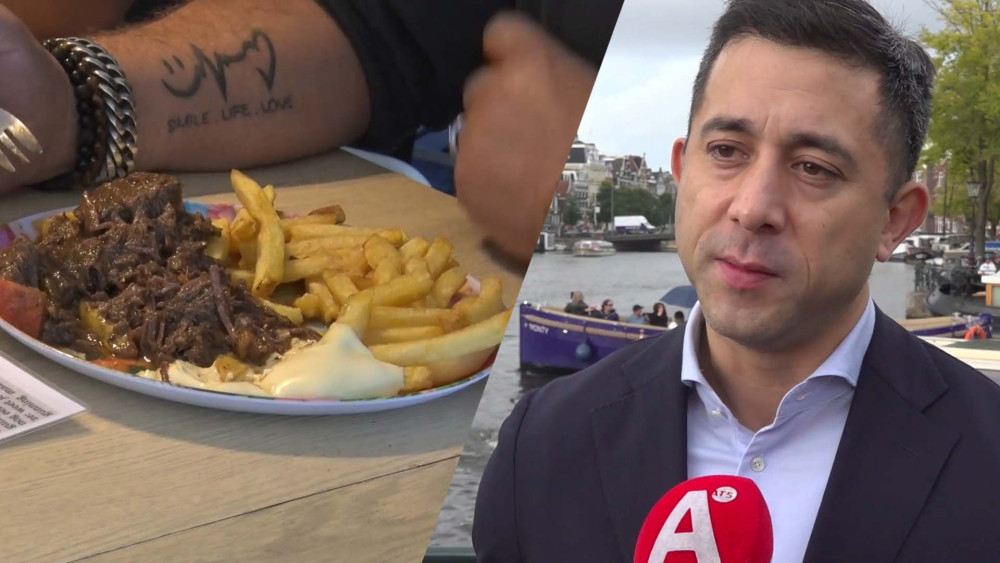
Amsterdam Mayor Femke Halsema has stated that the city must actively reduce the number of annual tourists to protect local livability and curb negative issues like waste. Although she acknowledges that limiting visitors may negatively affect hospitality revenue, she argues that the environmental and social costs of mass tourism are no longer sustainable.

Plan for rainbow crosswalk on Churchillaan causes division instead of connection

Plan for rainbow crosswalk on Churchillaan causes division instead of connection

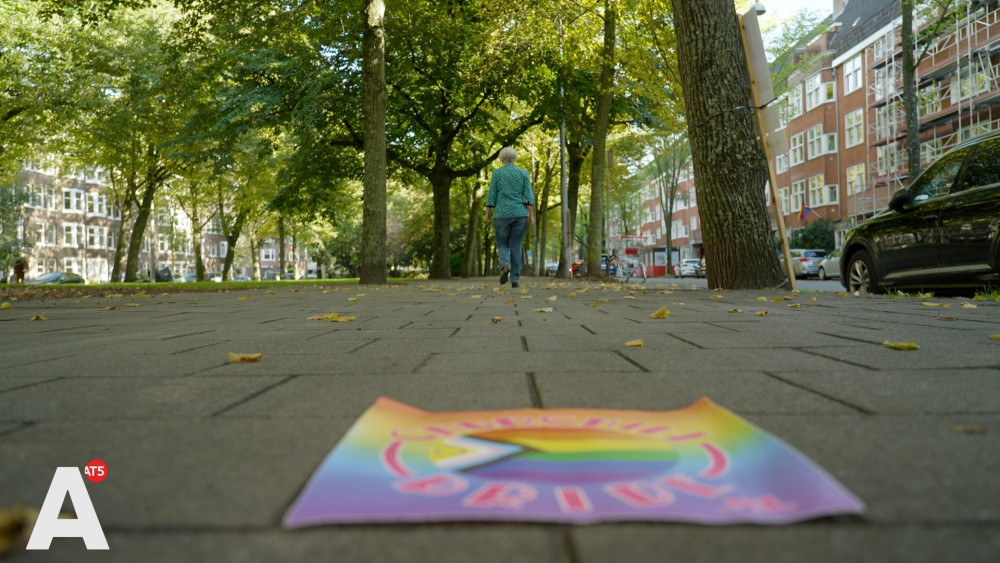
A proposal to create a year-round rainbow path on Amsterdam's Churchillaan to support the queer community has caused a local divide. While advocates believe the installation is vital for constant visibility, objectors argue it is excessive and have filed formal complaints against the district's trial permit.

Westeinder campsite residents back in court: 'compensation too low'

Westeinder campsite residents back in court: 'compensation too low'

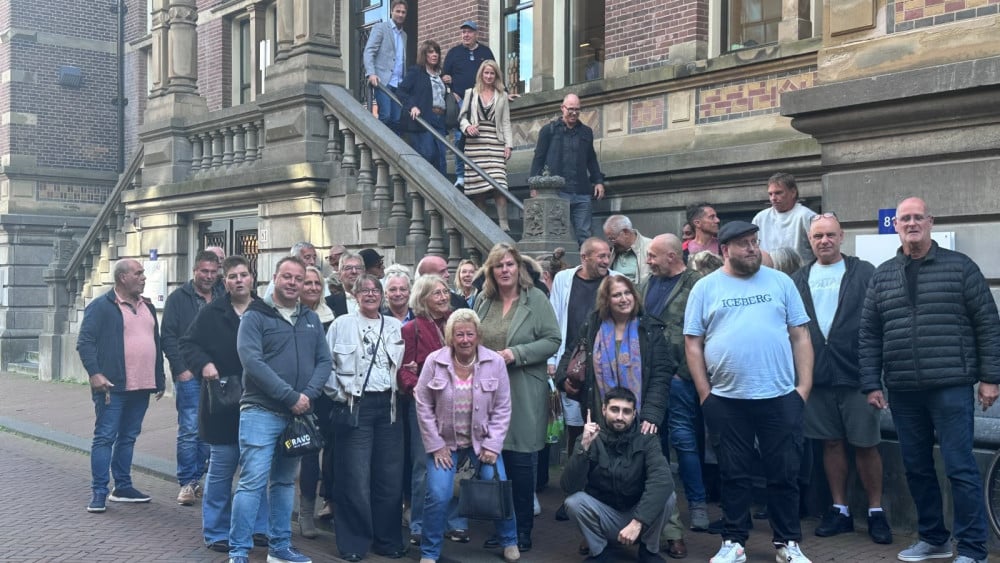
Residents of Camping De Westeinder have returned to court in Haarlem to challenge the inadequate compensation offered by developer Kleen Estate for their forced relocation. Many residents rely on the park for permanent housing due to the local housing crisis and argue that the current offers are insufficient to cover relocation costs or provide alternative shelter.

Amsterdam invests 2.5 million euros in five community centers, H-buurt to get large meeting place with music studio

Amsterdam invests 2.5 million euros in five community centers, H-buurt to get large meeting place with music studio

Amsterdam is investing 2.5 million euros to open and renovate five community centers to combat social isolation and improve neighborhood stability. The initiative includes a major new facility in the H-buurt and upgrades to existing spaces across various city districts to support residents facing poverty and other challenges.

Municipality to open its own healthy restaurant to combat excess of fast food outlets

Municipality to open its own healthy restaurant to combat excess of fast food outlets

The Amsterdam municipal government plans to open and then deny a permit for its own unhealthy restaurant to test legal limits regarding health-based zoning. By taking the matter to court, officials aim to establish a precedent that would allow the city to restrict new fast-food establishments in the future.