rss

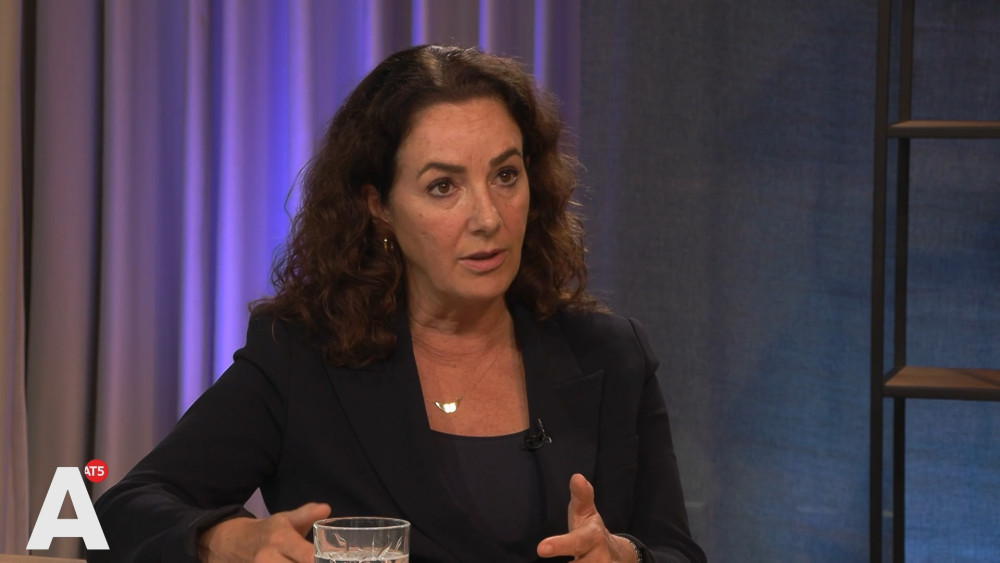
Halsema: number of tourists must be curbed, even if it costs the hospitality industry visitors
Halsema: number of tourists must be curbed, even if it costs the hospitality industry visitors

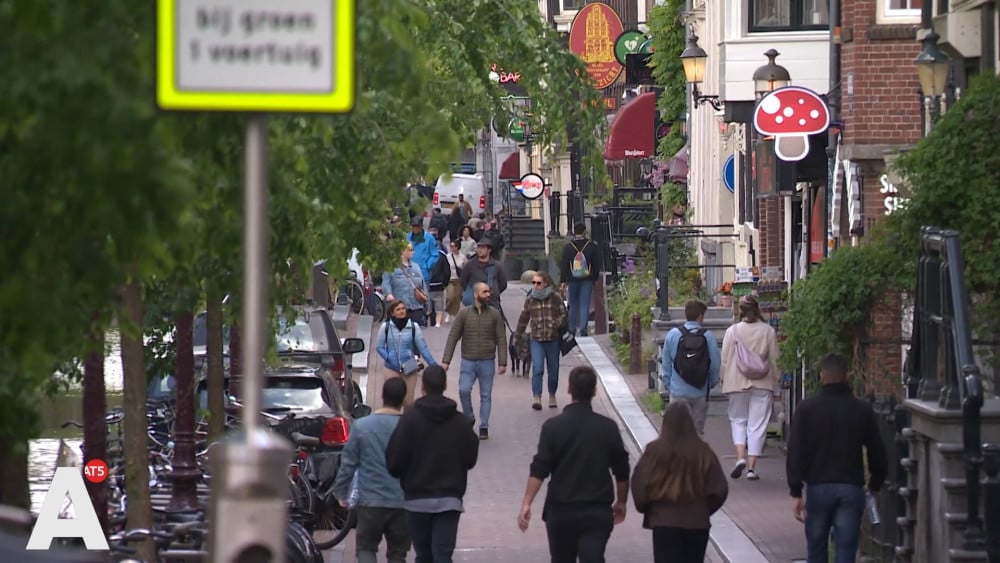
Amsterdam Mayor Femke Halsema has stated that the city must actively reduce the number of annual tourists to protect local livability and curb negative issues like waste. Although she acknowledges that limiting visitors may negatively affect hospitality revenue, she argues that the environmental and social costs of mass tourism are no longer sustainable.

Amsterdam Mayor Femke Halsema has announced that the city must take active measures to curb the annual influx of tourists. Currently, the city hosts 23 million visitors each year, a figure projected to rise to 30 million without intervention. Halsema argues that the negative consequences of this mass tourism, including excessive waste and a diminishing sense of local character, outweigh the economic benefits. She specifically noted that tourism accounts for only 8 percent of the city's overall prosperity, suggesting its importance is often overstated.

Controlling visitor numbers remains difficult as the levers for change, such as affordable air travel and short-term rental platforms like Airbnb, often lie outside the municipality's direct authority. Despite these challenges, Halsema insists that managing tourist volume is essential to preserve the city's livability. She acknowledged that these restrictions may negatively impact local hospitality businesses, but maintained that prioritizing the city's long-term social health over short-term commercial interests is an unavoidable necessity for the local government.

Based on reporting by rss. Translated and condensed by LocalHeadlines.
Related articles

Empty crutches left at Ruk en Pluk after break-in on Linnaeusstraat: "Come with a parachute"

Empty crutches left at Ruk en Pluk after break-in on Linnaeusstraat: "Come with a parachute"

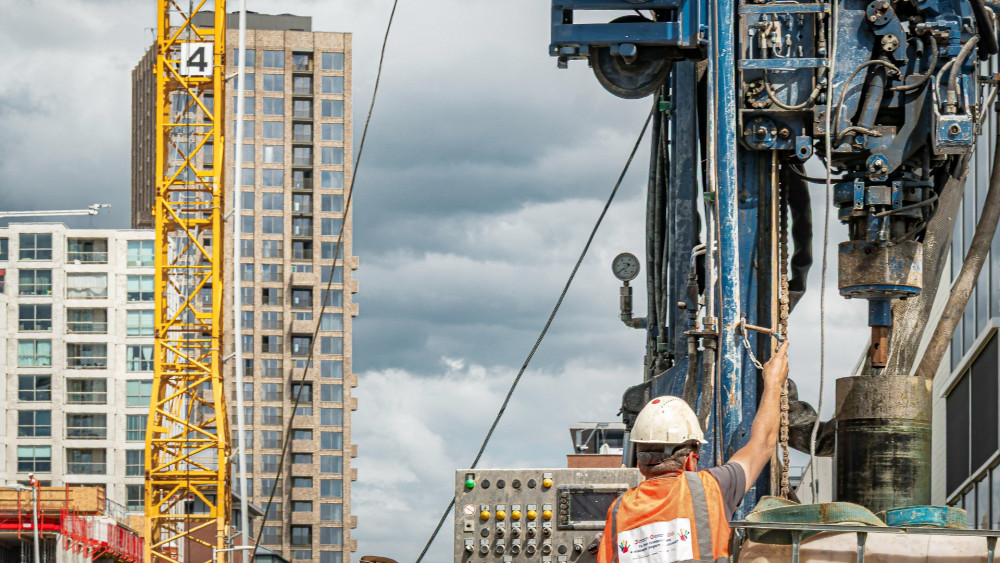
Extensive construction on the Linnaeusstraat in Amsterdam is severely limiting customer access to local businesses, causing a sharp decline in revenue for shop owners. Business operators are seeking municipal compensation for their losses while managing ongoing safety and traffic issues near their establishments.

Municipality critical of provincial plan putting 10,000 homes at risk

Municipality critical of provincial plan putting 10,000 homes at risk

The Amsterdam city council is in conflict with the province of North Holland over new spatial plans that protect industrial land at the expense of potential housing. This policy threatens the realization of 10,000 homes in the Haven-Stad project, prompting the city to demand that the province uphold existing development agreements.

Residents and municipality face off in court over TikTok queues at Fabel Friet: how did it get so out of hand?

Residents and municipality face off in court over TikTok queues at Fabel Friet: how did it get so out of hand?

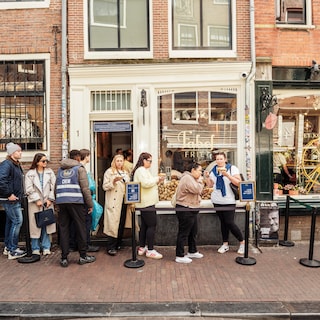
Neighbors of the Fabel Friet snack bar in Amsterdam are heading to court to demand that the municipality takes stronger action against massive, viral TikTok queues blocking the Runstraat. The residents argue that the city has failed to mitigate the significant disturbances caused by these crowds in the narrow residential street.

Minister pleased with massive residential towers near Arena: "Excellent accessible location"

Minister pleased with massive residential towers near Arena: "Excellent accessible location"

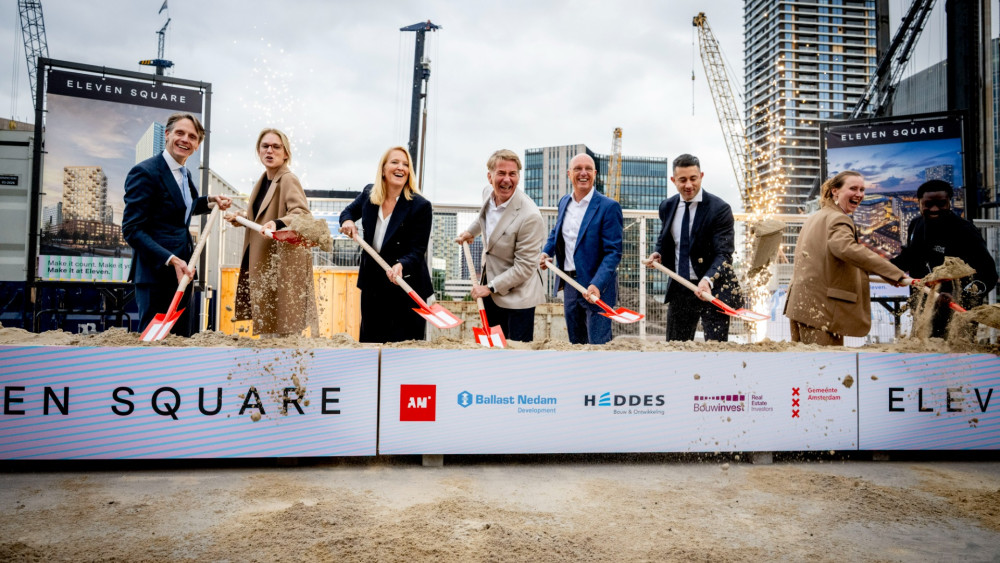
Housing Minister Elanor Boekholt-O’Sullivan and Amsterdam officials have officially marked the construction start of Eleven Square, a major development near the Johan Cruijff Arena. The project will add over 1,100 homes to the city, including its tallest residential tower, with a planned completion date of 2029.

Conference industry fears higher tourist tax: We are driving away the wrong tourists

Conference industry fears higher tourist tax: We are driving away the wrong tourists

Amsterdam is set to increase its tourist tax to 20 percent by 2031, prompting concerns from the conference industry that the move will drive away valuable business travelers. Industry leaders argue that these visitors are economically beneficial and cause less nuisance than other tourists, but the municipality remains committed to the tax hike to help manage city-wide tourism challenges.