ad

Instagram addictive? Meta demands YouTube and TikTok take action too

Instagram addictive? Meta demands YouTube and TikTok take action too

Meta has reached an 18 billion dollar settlement with 29 U.S. states to address allegations that its platforms are addictive to minors. The agreement mandates new safety restrictions for teenagers in the U.S., though Meta has conditioned part of the payment on whether competitors like YouTube and TikTok adopt similar standards.

Meta has agreed to a settlement worth 18 billion dollars following a lawsuit filed by 29 U.S. states regarding the addictive nature of Instagram and Facebook. Under the agreement, Meta will implement safety measures for teenage users, including a two-hour daily time limit, a nighttime lockout, and the removal of certain filters. However, these changes are currently limited to the United States, sparking criticism from digital rights advocates who note the lack of global protection for minors.

A notable condition of the settlement is that 5 billion dollars of the payment is contingent on whether competitors like YouTube and TikTok implement similar safety measures. Meta has argued that it should not act alone in regulating social media usage, suggesting that industry-wide cooperation is necessary to effectively protect younger audiences. Legal experts view this as a strategic move by Meta to shift focus and share regulatory responsibilities. Meanwhile, critics believe Meta has successfully mitigated a potentially damaging legal outcome without admitting that its applications are inherently addictive.

Based on reporting by ad. Translated and condensed by LocalHeadlines.
Related articles

Global stock markets fall on AI concerns

Global stock markets fall on AI concerns

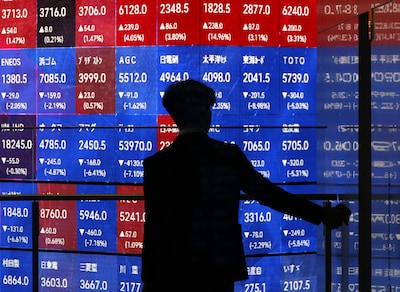
Global stock markets have experienced significant declines driven by growing investor anxiety over debt levels and potential demand slowdowns in the artificial intelligence sector. Major indices, including the Nasdaq and various Asian benchmarks, saw substantial losses as chipmakers and tech-related stocks faced a worldwide sell-off.

Empty shelves, saunas in the coolers: our essential services are vulnerable to cyber incidents

Empty shelves, saunas in the coolers: our essential services are vulnerable to cyber incidents

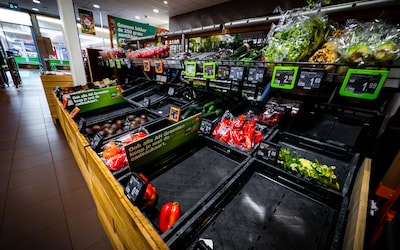
The grocery sector is increasingly facing cybersecurity threats, leading to incidents such as empty store shelves and malfunctioning cooling equipment. Experts warn that these vulnerabilities in essential services could cause further public instability if security measures are not improved.

EU selects 46 raw materials projects to reduce dependence on China

EU selects 46 raw materials projects to reduce dependence on China

The European Commission has launched 46 projects across sixteen countries to reduce reliance on China for vital raw materials like lithium and copper. These initiatives, supported by prioritized permits and funding assistance, aim to significantly boost domestic processing and recycling capacity by 2030.

Electric cars are driving further into Europe, but watch out for hidden costs in France

Electric cars are driving further into Europe, but watch out for hidden costs in France

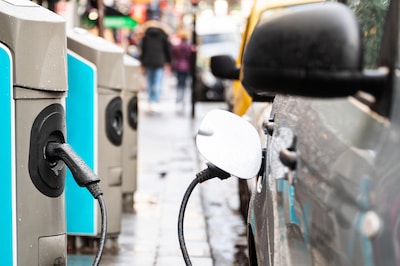
Dutch electric vehicle drivers are increasingly traveling further across Europe, but the ANWB warns that hidden costs like blocking fees remain a problem in countries such as France. Drivers are advised to check tariff details in charging apps to avoid significant unexpected charges for staying connected to a station after a battery is full.

IMF: Public debt, energy demand and energy prices threaten global economy

IMF: Public debt, energy demand and energy prices threaten global economy

The IMF has warned that the global economy faces significant threats from rising national debt, increasing energy demand driven by AI, and high energy prices. These economic pressures are creating growing inequality between nations, prompting the organization to call for immediate international policy action.