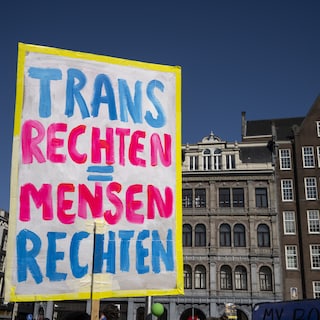
Opinion: To combat human trafficking, sex workers must be treated as partners in dialogue

This article argues that initiatives to combat human trafficking in Amsterdam often exclude the input of sex workers, relying instead on controversial methods like increased police surveillance and AI profiling. The authors contend that effective policy must shift toward treating sex workers as essential partners, utilizing their unique expertise to address exploitation while respecting their autonomy and safety.
Recent discussions regarding the fight against human trafficking in the Red Light District of Amsterdam have sparked debate over the best approach to ensuring worker safety. Proposals from business owners, including increased police presence and the use of artificial intelligence to detect exploitation, have been criticized for ignoring the perspectives of sex workers themselves. Opponents of these top-down measures argue that such strategies rely on paternalistic assumptions and technological risks that may inadvertently discriminate against vulnerable groups or undermine trust in law enforcement.
Instead of focusing solely on surveillance and police intervention, advocates suggest that policy should prioritize a collaborative approach that involves sex workers as primary partners. Drawing on models from countries like Australia and New Zealand, these advocates argue that the expertise and lived experience of those in the industry are essential for identifying real risks. By including sex workers in the development and evaluation of policies, the city can create solutions that genuinely improve working conditions and safety rather than relying on methods that many sex workers find alienating or counterproductive.
Based on reporting by parool. Translated and condensed by LocalHeadlines.