Camera glasses offer solution for the blind and visually impaired: 'Make them an assistive device'
Smart glasses are being used as essential assistive tools by visually impaired individuals to navigate their surroundings and read text independently. While advocacy groups praise the technology for enhancing user autonomy, experts suggest stricter regulation is needed to address privacy concerns and prevent the misuse of the integrated cameras.
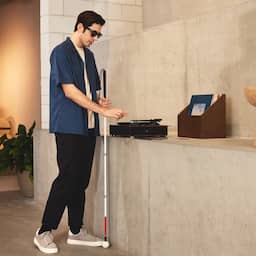
Vincent van Itallie, who is visually impaired, has found that smart glasses offer significant advantages for navigating daily life by providing hands-free assistance. By using a companion app with his camera-equipped glasses, he can read text, identify surroundings, and navigate public spaces more easily than with a guide dog alone. The Dutch organization for people with visual impairments, Oogvereniging, supports the technology, noting that it empowers users by providing independent access to visual information. However, privacy concerns remain a major point of contention due to incidents of inappropriate filming in public spaces.
Legal experts and advocacy groups argue that to balance privacy with utility, smart glasses should perhaps be regulated specifically as medical assistive devices. Professor Anna Berlee suggests that classifying these devices as medical equipment, potentially requiring a doctor’s prescription, would help prevent unauthorized data collection. While the glasses offer clear benefits, there are growing calls for societal agreements or official frameworks to distinguish between legitimate assistive use and harmful surveillance. Public venues are already beginning to implement bans on the technology following privacy incidents.
Based on reporting by nu. Translated and condensed by LocalHeadlines.