parool

Swimming water at Gaasperplas, Nieuwe Meer, and Het Twiske heavily polluted with chemicals: 'The government is not taking action'

Swimming water at Gaasperplas, Nieuwe Meer, and Het Twiske heavily polluted with chemicals: 'The government is not taking action'

A recent study found that none of the swimming locations in the Netherlands meet all chemical quality standards due to contamination from substances like PFAS and industrial runoff. Although water authorities insist that current conditions do not pose immediate health risks to recreational swimmers, experts warn that long-term exposure to these chemical cocktails is concerning and requires stricter government intervention.

A study conducted by Natuur & Milieu and the Netherlands Institute of Ecology reveals that no swimming locations in the Netherlands currently meet all chemical quality standards. Researchers examined over 250 sites, including several popular spots in Amsterdam such as Gaasperplas, Nieuwe Meer, and Het Twiske, finding significant levels of pollutants like PFAS, soot, and chemical residues from historical boat paint. While official monitoring focuses on bacteria and blue-green algae, the authors argue that the lack of oversight regarding chemical contamination poses long-term health risks for frequent swimmers due to the accumulation of toxic substances in the body. In response, local water authorities maintain that current swimming sites remain safe for occasional use because chemical environmental standards are designed to protect aquatic life rather than human bathers. However, researchers are calling for stricter industrial discharge regulations and a comprehensive ban on PFAS, warning that the current stagnant approach to chemical water quality is insufficient to address the growing ecological and health threats.

Based on reporting by parool. Translated and condensed by LocalHeadlines.
Related articles

NVWA: squishy dumplings, which were pulled from shelves en masse, are not dangerous for children after all

NVWA: squishy dumplings, which were pulled from shelves en masse, are not dangerous for children after all

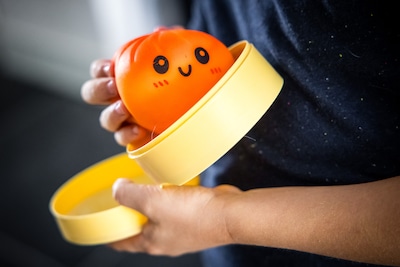
The Dutch Food and Consumer Product Safety Authority (NVWA) has determined that squishy dumpling toys are safe for children despite concerns over a strong chemical odor. Lab testing revealed that the scent, which resembles gasoline, comes from low levels of volatile organic compounds that do not pose a health risk.

Actress Hayden Panettiere died from combination of drugs and medication

Actress Hayden Panettiere died from combination of drugs and medication

Actress Hayden Panettiere died at the age of 36 on August 16 due to an accidental combination of fentanyl and other medications. Known for her roles in Heroes, Nashville, and the Scream film franchise, she had previously spoken openly about her struggles with addiction.

PFAS in Amsterdam's drinking water mainly comes from polluted Rhine: ‘The solution lies largely in Germany’

PFAS in Amsterdam's drinking water mainly comes from polluted Rhine: ‘The solution lies largely in Germany’

Amsterdam's drinking water contains PFAS levels exceeding recommended safety guidelines. Research indicates that the majority of these chemicals originate from the Rhine river before it enters the Netherlands, suggesting that solutions must be sought at the source in Germany.

World Cup visitors bombarded with fast food and drink advertisements

World Cup visitors bombarded with fast food and drink advertisements

A study found that unhealthy food and drink brands dominated advertising during the World Cup, appearing in over 70 percent of all visible branding throughout the live matches. These advertisements were present for nearly a quarter of total playtime, with four major global companies accounting for the vast majority of the exposure.

Dutch Safety Board sounds alarm: refugee children in emergency shelters living in unsafe conditions

Dutch Safety Board sounds alarm: refugee children in emergency shelters living in unsafe conditions

The Dutch Safety Board has released a report warning that refugee children in emergency shelters face unsafe living conditions, including poor sanitation and limited privacy. The board has called on the Minister of Asylum and Migration to urgently address these systemic failures as approximately 7,000 children remain in precarious housing nationwide.