nu

Netherlands' water strategy needs radical change and will cost billions: 'No quick fix'
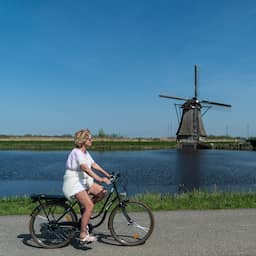
Netherlands' water strategy needs radical change and will cost billions: 'No quick fix'

A new Delta Program report warns that the Netherlands needs a radical and costly shift in water management strategy to combat the accelerating impacts of climate change. The proposed measures, estimated at 11 billion euros, acknowledge that technical defenses are no longer sufficient and that the country must adapt to unavoidable environmental extremes.

The latest Delta Program report warns that the Netherlands must fundamentally overhaul its water management strategy to survive the intensifying effects of climate change. As heatwaves, record-low river levels, and soil subsidence become increasingly common, experts emphasize that technical solutions alone will no longer suffice. Protecting the country from future extremes will require a significant shift in planning, moving away from the belief that every flood or drought can be prevented.

Implementing these necessary changes, which include reinforcing 1,400 kilometers of dikes, upgrading pumping stations, and creating regional water storage areas, is estimated to cost approximately 11 billion euros. These measures will have profound consequences for various sectors, including agriculture, where some bulb growers along the coast may be forced to cease operations in the coming decades. Ultimately, the report concludes that the Netherlands must learn to adapt and work with water rather than trying to control it completely, with the cabinet expected to respond to these recommendations shortly.

Based on reporting by nu. Translated and condensed by LocalHeadlines.
Related articles

Years of illegal use of Schiphol: environmental groups and local residents take legal action over cabinet plans

Years of illegal use of Schiphol: environmental groups and local residents take legal action over cabinet plans

A coalition of environmental groups and residents has challenged new government regulations for Schiphol Airport at the Council of State. The plaintiffs claim the rules legitimize years of illegal operations and are seeking a mandatory reduction in flight numbers.

European Commission launches investigation into Booking.com over failure to tackle fraud

European Commission launches investigation into Booking.com over failure to tackle fraud

The European Commission has opened an investigation into Booking.com over concerns that the travel platform is failing to adequately combat fraud and phishing scams. The inquiry aims to ensure the company complies with the Digital Services Act, which mandates that online platforms prioritize user protection and transparency.

All countries doing too little for climate, further warming threatens: 'No more excuses'

All countries doing too little for climate, further warming threatens: 'No more excuses'

A UN report warns that global efforts to curb greenhouse gas emissions are insufficient, placing the world on track for nearly 3 degrees of warming. While the 1.5-degree target is increasingly out of reach, officials emphasize that rapid adoption of clean energy and the phasing out of fossil fuels remain critical to limiting the severity of future climate disasters.

China and the US are going full throttle on AI, the EU is hitting the brakes: how wise is that?

China and the US are going full throttle on AI, the EU is hitting the brakes: how wise is that?

While China and the United States push ahead with rapid AI development, the European Union maintains a cautious stance focused on strict regulation. Critics argue this approach hampers European innovation and sovereignty, while proponents believe responsible testing and a focus on specialized quality are essential for sustainable growth.

The Greenhouse | I prefer to jump on the facts rather than the barricade

The Greenhouse | I prefer to jump on the facts rather than the barricade

A climate journalist explores the tension between objective reporting and the pressure to advocate for systemic change to combat the climate crisis. The author concludes that journalists should remain factual rather than activist to effectively reach a wide and diverse audience.