nu

'Rare' fruits and vegetables still barely leave the farm
'Rare' fruits and vegetables still barely leave the farm

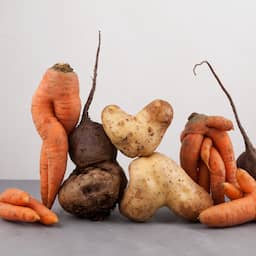
About 15 percent of produce grown in the Netherlands is discarded annually because it fails to meet strict supermarket standards for size and appearance. While waste-reduction organizations are actively promoting the sale of these imperfect items, major supermarket chains remain reluctant to fully integrate them due to logistical efficiency and concerns about consumer purchasing habits.

A significant portion of agricultural produce in the Netherlands never reaches supermarket shelves because it fails to meet strict aesthetic standards. Experts from the No Waste Army estimate that approximately 15 percent of all produce grown in the country remains on the farm, often discarded due to irregular shapes or sizes. While some initiatives and niche shops exist to sell these imperfect fruits and vegetables, major supermarket chains remain hesitant to adopt them broadly. Supermarkets prioritize logistical efficiency, noting that uniform produce fits better in standardized packaging and transport, which they argue is necessary for maintaining thin profit margins and low carbon footprints.

Industry organizations and supermarket representatives state that while there is a willingness to reduce waste, logistical constraints and consumer preferences for perfect-looking food remain major hurdles. Retailers sometimes accept non-standard produce in limited quantities, but they claim that consumers often bypass these items in favor of conventional ones. To challenge these norms, the No Waste Army has launched a temporary store in Utrecht featuring only rejected produce, hoping to demonstrate that consumers are both willing and eager to purchase these items if they are made available.

Based on reporting by nu. Translated and condensed by LocalHeadlines.
Related articles

Disappointment over Airbnb 'dishwashing ban': 'Not much of the romance left'

Disappointment over Airbnb 'dishwashing ban': 'Not much of the romance left'

Airbnb is ending the practice of allowing hosts to impose specific cleaning tasks, such as washing dishes or stripping beds, on their guests before checkout. Experts suggest this move aims to make the platform more mainstream, though some question if the change will truly benefit the user experience.

Heineken warns British pubs and bars over use of weight-loss drugs

Heineken warns British pubs and bars over use of weight-loss drugs

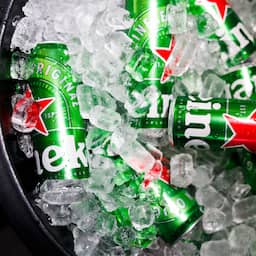
Heineken has warned British pubs that the rising use of GLP-1 weight-loss medications is changing alcohol consumption patterns. The brewer suggests that venues should adjust their strategies by promoting smaller serving sizes and non-alcoholic options to adapt to customers who are drinking less.

Thuisbezorgd and Uber Eats to provide clear information on mandatory extra fees

Thuisbezorgd and Uber Eats to provide clear information on mandatory extra fees

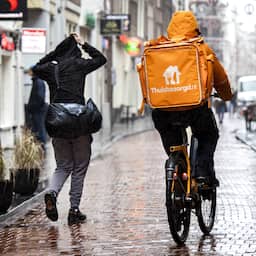
Thuisbezorgd and Uber Eats have agreed to display all mandatory service fees upfront following pressure from the Dutch Consumers Association regarding hidden costs and misleading discounts. To compensate customers for past issues, both companies will issue discount vouchers worth between 5 and 30 euros.

Butcher surprised by drop in meat consumption: 'Customers keep coming'

Butcher surprised by drop in meat consumption: 'Customers keep coming'

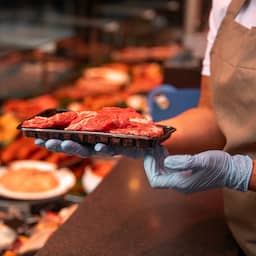
Meat consumption in the Netherlands has dropped by 12 percent over the last ten years, driven largely by the rising cost of beef and pork. Despite this national decline, specialized butcher shops remain stable by diversifying their product assortments and catering to customers who prioritize quality.

Too Good To Go adds plants and shampoo to its magic boxes

Too Good To Go adds plants and shampoo to its magic boxes

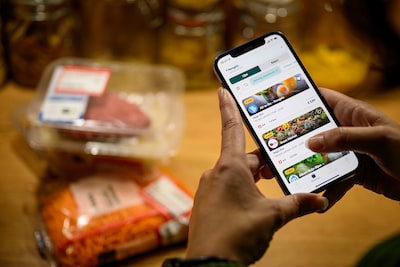
The anti-waste platform Too Good To Go is expanding its 'Magic Box' offerings beyond food to include items like plants, shampoo, and home goods. Since its launch in the Netherlands eight years ago, the company has saved 40 million meals and aims to further reduce retail waste through new retail partnerships.