nu

Europe breaks free from Russia, but clean energy lags behind
Europe breaks free from Russia, but clean energy lags behind

Following Russia's invasion of Ukraine, the EU introduced the RepowerEU plan to reduce fossil fuel dependence and boost sustainable energy projects. While direct imports have dropped, the European Court of Auditors notes slow implementation of green energy goals and ongoing dependency on imported LNG, highlighting the need for improved coordination and faster administrative processes.

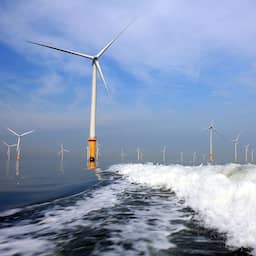
Since the 2022 Russian invasion of Ukraine, the European Union has launched the RepowerEU plan to reduce dependency on Russian fossil fuels and accelerate the transition to sustainable energy. While member states have significantly lowered direct imports, the European Court of Auditors reports that Russian oil still enters via third countries and shadow fleets. Furthermore, gas usage declined partly due to mild winters rather than solely policy success. Progress on infrastructure, such as wind and solar expansion, remains slow, with less than 20 percent of the allocated 300 billion euros utilized.

In the Netherlands, progress is underway, though the country continues to import Russian liquefied natural gas (LNG), a practice scheduled for an EU-wide ban by 2027. Experts warn that simply shifting reliance from Russia to countries like the United States creates new dependencies. Achieving true energy independence requires overcoming significant hurdles, including labor shortages, bureaucratic delays in permitting, and insufficient grid capacity. Experts advocate for prioritizing investments in domestic solutions like battery storage and hydrogen to ensure long-term energy security.

Based on reporting by nu. Translated and condensed by LocalHeadlines.

Related articles

KLM fined $320,000 by US for flights over Iraq

KLM fined $320,000 by US for flights over Iraq

KLM has received a 320,000 dollar fine from U.S. authorities for operating over one hundred codeshare flights through forbidden Iraqi airspace between 2022 and 2025. Sister airline Air France was also penalized, bringing the total fine for both carriers to 425,000 dollars due to safety violations.

An emergency neighborhood supermarket that always has toilet paper, rice and crispbread in stock: it’s happening in Denmark

An emergency neighborhood supermarket that always has toilet paper, rice and crispbread in stock: it’s happening in Denmark

Denmark is preparing to launch 51 emergency supermarkets equipped to function during power outages and cyberattacks, providing essential supplies even without grid connectivity. The Netherlands is currently exploring similar strategies as part of a national food security plan, though no concrete implementation has been finalized.

Years of illegal use of Schiphol: environmental groups and local residents take legal action over cabinet plans

Years of illegal use of Schiphol: environmental groups and local residents take legal action over cabinet plans

A coalition of environmental groups and residents has challenged new government regulations for Schiphol Airport at the Council of State. The plaintiffs claim the rules legitimize years of illegal operations and are seeking a mandatory reduction in flight numbers.

European Commission launches investigation into Booking.com over failure to tackle fraud

European Commission launches investigation into Booking.com over failure to tackle fraud

The European Commission has opened an investigation into Booking.com over concerns that the travel platform is failing to adequately combat fraud and phishing scams. The inquiry aims to ensure the company complies with the Digital Services Act, which mandates that online platforms prioritize user protection and transparency.

European gas price hits highest level since 2022

European gas price hits highest level since 2022

European natural gas prices have exceeded 90 euros per megawatt-hour for the first time since late 2022 due to rising geopolitical tensions in the Middle East. Additionally, gas storage levels across Europe are at their lowest point entering winter since 2009, raising concerns about supply stability and further economic impact.