ad

An emergency neighborhood supermarket that always has toilet paper, rice and crispbread in stock: it’s happening in Denmark

An emergency neighborhood supermarket that always has toilet paper, rice and crispbread in stock: it’s happening in Denmark

Denmark is preparing to launch 51 emergency supermarkets equipped to function during power outages and cyberattacks, providing essential supplies even without grid connectivity. The Netherlands is currently exploring similar strategies as part of a national food security plan, though no concrete implementation has been finalized.

The Danish Salling Group has announced plans to establish 51 emergency supermarkets across Denmark by 2028. These facilities are designed to remain operational during major power outages or cyberattacks by utilizing backup generators and offline payment systems that function without internet access. Instead of a full product range, these stores will carry a strictly limited selection of approximately fifty essential items, including long-life food, hygiene products, and batteries, to ensure public access to necessities during crises.

This initiative stems from Denmark's updated national resilience strategy, which emphasizes societal preparedness against hybrid threats. While the Netherlands currently lacks such specific infrastructure, the government is developing a National Crisis Plan for Food Security. Discussions are underway regarding potential legal requirements for supermarkets to maintain strategic buffers of essential goods. Industry representatives in the Netherlands are supportive but have highlighted the significant logistical challenges and costs associated with creating such reserves.

Based on reporting by ad. Translated and condensed by LocalHeadlines.

Related articles

European Commission launches investigation into Booking.com over failure to tackle fraud

European Commission launches investigation into Booking.com over failure to tackle fraud

The European Commission has opened an investigation into Booking.com over concerns that the travel platform is failing to adequately combat fraud and phishing scams. The inquiry aims to ensure the company complies with the Digital Services Act, which mandates that online platforms prioritize user protection and transparency.

Empty shelves, saunas in the coolers: our essential services are vulnerable to cyber incidents

Empty shelves, saunas in the coolers: our essential services are vulnerable to cyber incidents

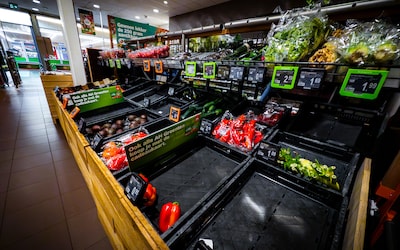
The grocery sector is increasingly facing cybersecurity threats, leading to incidents such as empty store shelves and malfunctioning cooling equipment. Experts warn that these vulnerabilities in essential services could cause further public instability if security measures are not improved.

EU selects 46 raw materials projects to reduce dependence on China

EU selects 46 raw materials projects to reduce dependence on China

The European Commission has launched 46 projects across sixteen countries to reduce reliance on China for vital raw materials like lithium and copper. These initiatives, supported by prioritized permits and funding assistance, aim to significantly boost domestic processing and recycling capacity by 2030.

Most Albert Heijn customers still unable to order online delivery due to ongoing app issues

Most Albert Heijn customers still unable to order online delivery due to ongoing app issues

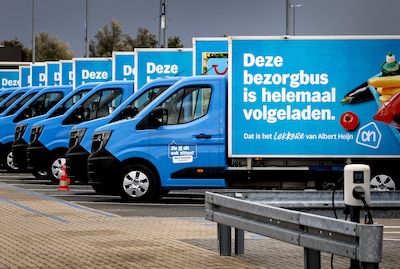
Albert Heijn has resumed home grocery deliveries at reduced capacity following a cyberattack on parent company Ahold Delhaize that halted services for nearly two weeks. Despite the restart, customers report ongoing technical errors with the app and website, while experts estimate the company lost up to 200 million euros in revenue during the outage.

Is the petrol car saved? European automakers are falling even further behind

Is the petrol car saved? European automakers are falling even further behind

Germany and France are proposing to soften strict EU climate rules that would have banned new combustion engines by 2035, aiming to support the European automotive industry. Critics and industry experts warn that this decision risks delaying the transition to electric vehicles and leaves European manufacturers further behind global competitors like China.