nu

Cabinet amends laws to accelerate power grid expansion by years

Cabinet amends laws to accelerate power grid expansion by years

The Dutch government is amending existing laws to accelerate the expansion of the national power grid, aiming to cut project preparation times by several years. Measures include bypassing lower administrative courts for legal appeals, transferring tasks from municipalities to provinces, and optimizing site selection processes.

The Dutch government is implementing a series of legislative amendments designed to accelerate the expansion of the national power grid. Instead of pursuing a single crisis law, officials are modifying existing regulations to streamline administrative procedures and speed up project development. Key changes include skipping lower administrative courts for specific grid expansion appeals, shifting some planning responsibilities from municipalities to provinces, and potentially eliminating certain permitting requirements for smaller electrical stations. State Secretary Jo-Annes de Bat stated that these adjustments could shave up to three years off major infrastructure projects, aiming for a total preparation timeline of one to two years before construction begins.

In addition to legal changes, the government plans to improve early-stage project management by limiting the number of location investigations and establishing standardized agreements for land acquisition. While some measures will not take full effect until 2027 or 2028, officials emphasize that energy management improvements and more flexible grid usage are already helping to alleviate waitlists for businesses. The government maintains that transparent communication about these infrastructure needs is essential to manage public concerns while meeting national sustainability goals.

Based on reporting by nu. Translated and condensed by LocalHeadlines.
Related articles

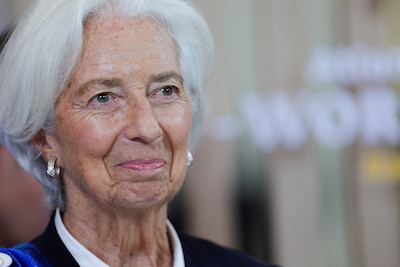
ECB President Christine Lagarde to step down in early 2027, ahead of term end

ECB President Christine Lagarde to step down in early 2027, ahead of term end

European Central Bank President Christine Lagarde will step down from her role on February 7, 2027, ahead of her term's official end. Former De Nederlandsche Bank president Klaas Knot is currently being discussed as a potential successor for the position.

Gas prices keep rising, where will it end? ‘It is deafeningly quiet in The Hague’

Gas prices keep rising, where will it end? ‘It is deafeningly quiet in The Hague’

Natural gas prices in the Netherlands have risen sharply to over 2 euros per cubic meter, driven by geopolitical instability in the Middle East. With no government price cap currently active, many households face significantly higher energy bills as their contracts expire, although experts confirm that supply security remains unaffected.

Britons in cheaper housing to receive £100 for high energy costs

Britons in cheaper housing to receive £100 for high energy costs

The British government is providing a 100-pound payment to twenty million residents to offset high energy costs, funded by increased taxes on various sectors. Meanwhile, the Netherlands is establishing a nearly 200-million-euro emergency energy fund to assist half a million low-income households starting in January.

Dutch companies must help Ukraine through the winter: millions in extra government subsidies

Dutch companies must help Ukraine through the winter: millions in extra government subsidies

The Dutch government is providing 191 million euros in subsidies to help Dutch companies support Ukraine's energy infrastructure and facilitate business reconstruction. Minister Sjoerd Sjoerdsma announced the funding during a visit to Kyiv, highlighting that Dutch businesses will be incentivized to assist with essential repairs and long-term recovery projects.

No deal in sight with opposition: 'Fear that we will end up in the gravel pit'

No deal in sight with opposition: 'Fear that we will end up in the gravel pit'

The Dutch minority cabinet is struggling to reach an agreement with opposition parties to secure a majority for its tax plan and budget. Key issues include demands for major changes to nitrogen policy and asylum regulations, with political leaders warning that failure to reach a deal could lead to a legislative stalemate.