nu

EU wants social media ban for children under thirteen
EU wants social media ban for children under thirteen

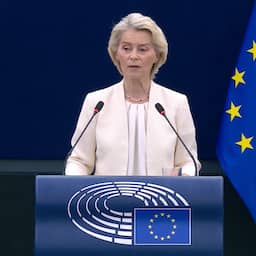
The European Union has introduced the Kids Act to regulate social media access for minors, proposing a total ban for children under thirteen. Adolescents aged thirteen to fifteen would require parental supervision and face usage time limits, while apps for older teenagers must implement safety measures to prevent addiction.

The European Union has announced the Kids Act, a legislative proposal aimed at creating a safer online environment for minors. Under the proposed rules, children under thirteen would be prohibited from creating social media accounts. Adolescents aged thirteen to fifteen would be permitted to use these platforms only with parental supervision and subject to a daily time limit of one hour. For those aged fifteen and older, social media usage would be allowed without parental oversight, provided the platforms adhere to strict safety standards, such as eliminating addictive design features like infinite scrolling.

Furthermore, the initiative intends to restrict online games, streaming services, and AI chatbots that do not meet new safety criteria. The Dutch government has expressed support for these measures, having previously advocated for a minimum age requirement of fifteen for unsafe digital platforms. The official legislative text is scheduled for presentation, after which it must undergo a lengthy approval process involving the European Parliament and member states. The final regulations remain subject to negotiation and potential adjustments over the coming months.

Based on reporting by nu. Translated and condensed by LocalHeadlines.

Related articles

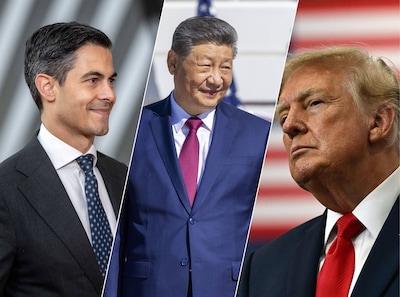
Dutch people in Silicon Valley also feel impact of Donald Trump’s policies: 'Tariffs are very chaotic'

Dutch people in Silicon Valley also feel impact of Donald Trump’s policies: 'Tariffs are very chaotic'

Dutch expatriates working in Silicon Valley have expressed concerns regarding the unpredictable policies of Donald Trump, citing chaotic trade tariffs and sudden budget freezes. As the midterm elections approach, these professionals continue to navigate the professional challenges posed by the current administration's political climate.

European Commission launches investigation into Booking.com over failure to tackle fraud

European Commission launches investigation into Booking.com over failure to tackle fraud

The European Commission has opened an investigation into Booking.com over concerns that the travel platform is failing to adequately combat fraud and phishing scams. The inquiry aims to ensure the company complies with the Digital Services Act, which mandates that online platforms prioritize user protection and transparency.

China and the US are going full throttle on AI, the EU is hitting the brakes: how wise is that?

China and the US are going full throttle on AI, the EU is hitting the brakes: how wise is that?

While China and the United States push ahead with rapid AI development, the European Union maintains a cautious stance focused on strict regulation. Critics argue this approach hampers European innovation and sovereignty, while proponents believe responsible testing and a focus on specialized quality are essential for sustainable growth.

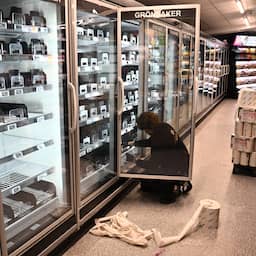
Mystery surrounds hacked supermarket cooling systems: 'Who stands to gain?'

Mystery surrounds hacked supermarket cooling systems: 'Who stands to gain?'

Supermarket cooling systems across Europe were targeted by a cyberattack that remotely disabled temperature controls, leading to widespread food spoilage and significant financial losses. Security experts remain uncertain about the perpetrators' motives, as the systems were vulnerable due to outdated security protocols and direct internet access.

Cyberattack also affects refrigerators and freezers at IKEA store in Belgium

Cyberattack also affects refrigerators and freezers at IKEA store in Belgium

An IKEA branch in Belgium has experienced a cyberattack on its refrigeration systems, though impacts on food inventory and restaurant operations remain limited. This incident follows a wider pattern of digital attacks affecting cooling infrastructure across European supermarkets and smaller retailers, including in the Netherlands.