nu

Inspectorate to reduce taxi inspections next year due to budget cuts
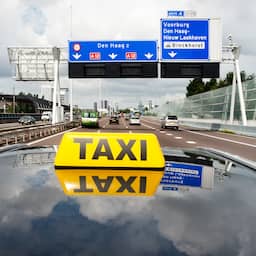
Inspectorate to reduce taxi inspections next year due to budget cuts

The Dutch Human Environment and Transport Inspectorate (ILT) will reduce oversight in several areas, including the taxi industry, due to budget cuts and rising operational costs. The agency is shifting its focus toward higher-priority issues like cyber resilience and environmental threats, admitting that this reduction in activity may fall short of public expectations.

The Human Environment and Transport Inspectorate (ILT) in the Netherlands has announced plans to reduce its oversight activities in various sectors due to significant budget cuts. With a budget of 251.6 million euros for the upcoming year and rising costs, particularly in ICT, the agency is forced to shift its priorities. Resources will be reallocated toward more critical areas such as cyber resilience, monitoring products from non-EU webshops, and addressing the environmental impacts of PFAS. As a result, the inspectorate will conduct fewer criminal investigations and reduce its response to public noise complaints.

In the transport sector, oversight will become more targeted toward areas with the highest risks. Notably, the ILT will decrease its inspections within the taxi industry, cancelling planned thematic actions against illegal taxi services while maintaining some focus on fraud. The inspectorate acknowledges that these changes, necessitated by ongoing financial constraints, will result in less intensive supervision that may not align with broader societal expectations.

Based on reporting by nu. Translated and condensed by LocalHeadlines.

Related articles

Dutch people in Silicon Valley also feel impact of Donald Trump’s policies: 'Tariffs are very chaotic'

Dutch people in Silicon Valley also feel impact of Donald Trump’s policies: 'Tariffs are very chaotic'

Dutch expatriates working in Silicon Valley have expressed concerns regarding the unpredictable policies of Donald Trump, citing chaotic trade tariffs and sudden budget freezes. As the midterm elections approach, these professionals continue to navigate the professional challenges posed by the current administration's political climate.

Council of State criticizes cabinet's Box 3 plan and advises postponement

Council of State criticizes cabinet's Box 3 plan and advises postponement

The Dutch Council of State has issued a critical warning regarding the government's box 3 tax reform proposal, advising against its submission in the current state due to implementation risks and unrealistic timelines. The council suggests delaying the planned 2028 implementation, while the government works to address concerns regarding the feasibility and the financial coverage of the reforms.

Stricter rules for holiday rentals to tackle nuisance in residential areas

Stricter rules for holiday rentals to tackle nuisance in residential areas

New Dutch regulations taking effect November 1 require all vacation rental hosts to use a unique registration number and mandate that booking platforms share data with the government. This system is designed to help municipalities combat neighborhood nuisance and better monitor the impact of short-term rentals on the housing market.

ECB President Christine Lagarde to step down in early 2027, ahead of term end

ECB President Christine Lagarde to step down in early 2027, ahead of term end

European Central Bank President Christine Lagarde will step down from her role on February 7, 2027, ahead of her term's official end. Former De Nederlandsche Bank president Klaas Knot is currently being discussed as a potential successor for the position.

Gas prices keep rising, where will it end? ‘It is deafeningly quiet in The Hague’

Gas prices keep rising, where will it end? ‘It is deafeningly quiet in The Hague’

Natural gas prices in the Netherlands have risen sharply to over 2 euros per cubic meter, driven by geopolitical instability in the Middle East. With no government price cap currently active, many households face significantly higher energy bills as their contracts expire, although experts confirm that supply security remains unaffected.