nu

Dutch childcare organization to recycle diapers on a large scale

Dutch childcare organization to recycle diapers on a large scale

Samenwerkende Kinderopvang is the first Dutch childcare organization to implement a large-scale diaper recycling program in partnership with the Belgian company Woosh. The initiative aims to repurpose millions of used diapers into raw materials and energy, with all 230 associated centers expected to be fully onboard by 2027.

Samenwerkende Kinderopvang has become the first childcare provider in the Netherlands to implement a large-scale diaper recycling program. In collaboration with the Belgian brand Woosh, the organization aims to reduce the environmental impact of the 3.5 million diapers it discards annually. Currently, about 400,000 tons of diapers and incontinence products are burned in the Netherlands every year, accounting for 8 percent of household residual waste. Collected diapers will be processed at a specialized recycling facility in Bruges, where plastics will be converted into new raw materials and organic components will be used for energy production.

General director Corona Sanders-Koek stated that the initiative is part of the company's broader sustainability goals, which already include achieving carbon neutrality. The transition to recyclable diapers will not affect costs for parents, as the price difference is offset by lower waste management expenses. By May 2027, all 230 childcare and toddler centers under the organization will fully adopt this program, helping to align with national waste reduction targets.

Based on reporting by nu. Translated and condensed by LocalHeadlines.
Related articles

Port of Amsterdam applies for permits for eight wind turbines

Port of Amsterdam applies for permits for eight wind turbines

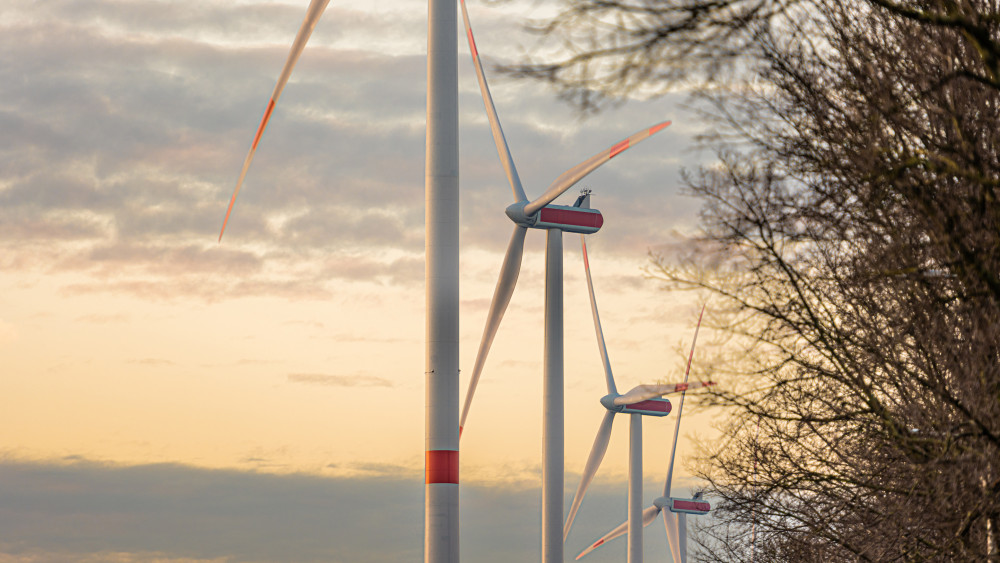
The Port of Amsterdam has applied for permits to install eight 200-meter-tall wind turbines in the Western Port area to increase regional renewable energy production. The Province of North Holland will now review the applications, though approval is not guaranteed given recent regional political conflicts over wind energy projects.

Cyber threats are evolving too quickly for businesses and governments

Cyber threats are evolving too quickly for businesses and governments

The NCTV warns that cyber threats from state actors and criminals are outpacing the digital resilience of organizations in the Netherlands. The report highlights that inadequate resources and the rapid adoption of AI by attackers significantly increase the risk of large-scale sabotage, espionage, and data theft.

Port of Amsterdam seeks to add eight wind turbines to harbor area

Port of Amsterdam seeks to add eight wind turbines to harbor area

Port of Amsterdam aims to add eight wind turbines to its existing harbor infrastructure following consultations that reduced the original project scale. The initiative faces ongoing opposition from local stakeholders and follows recent political disputes regarding wind energy development in the region.

Verwey-Jonker Institute files for payment suspension and fears bankruptcy

Verwey-Jonker Institute files for payment suspension and fears bankruptcy

The Verwey-Jonker Institute has requested a suspension of payments due to severe financial strain caused by budget cuts and reduced demand for independent research. The organization, which conducts research on various social issues, is now at risk of bankruptcy despite previous attempts to reduce operational costs.

Nexperia confirms lawsuits and two billion dollar claim

Nexperia confirms lawsuits and two billion dollar claim

Nexperia has reported 2 billion dollars in damages following the Dutch government's intervention to block technology transfers to China and the subsequent retaliatory export restrictions. Furthermore, a Hague court has ruled that Nexperia Netherlands retains control over its global intellectual property rights against conflicting Chinese court decisions.