nu

British politicians investigate UK's Eurovision failure
British politicians investigate UK's Eurovision failure

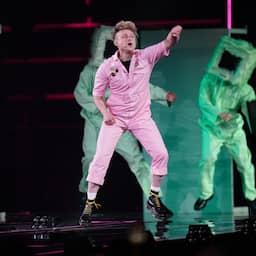
British politicians are investigating the United Kingdom's recent poor performance at the Eurovision Song Contest to understand why the country consistently ranks near the bottom. The committee plans to consult with BBC officials and industry experts to evaluate song selection and staging following years of lackluster results.

British politicians have launched an investigation into the country's poor performance at the Eurovision Song Contest. Led by committee chair Caroline Dinenage, the inquiry aims to determine whether recurring failures are due to song selection, staging, or other underlying issues. Despite the nation's reputation for world-class musical talent, recent results have been consistently dismal, with multiple entries failing to receive any points from the public in recent years. The last time the United Kingdom achieved victory in the competition was in 1997 with Katrina and the Waves.

The committee plans to hold hearings over the coming months to address the nation's disappointing track record. They intend to consult with representatives from the BBC and various experts from the music industry to identify why recent contestants have struggled to resonate with European audiences. While the 2022 entry by Sam Ryder provided a brief success by finishing in second place, the overall trend has seen the country frequently languishing near the bottom of the scoreboard. Officials are now seeking a strategy to reverse this long-standing decline in Eurovision success.

Based on reporting by nu. Translated and condensed by LocalHeadlines.
Related articles

'I studied, so it makes sense that I earn more': how fair is that really?

'I studied, so it makes sense that I earn more': how fair is that really?

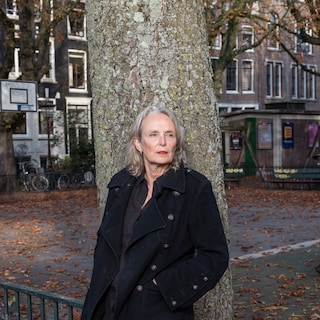
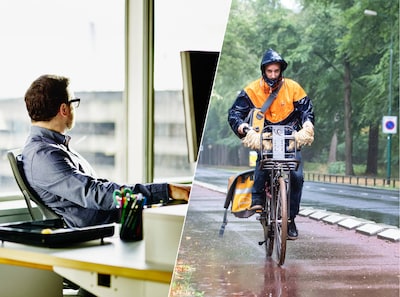
Political scientist and journalist Anouk Kootstra questions the fairness of the traditional belief that higher education and professional status inherently justify higher pay. She challenges the assumption that desk-based roles inherently require more effort or value than manual labor positions like mail delivery.

Documentary maker Mijke de Jong followed Femke Halsema for a year as mayor: I was not out to catch her out

Documentary maker Mijke de Jong followed Femke Halsema for a year as mayor: I was not out to catch her out

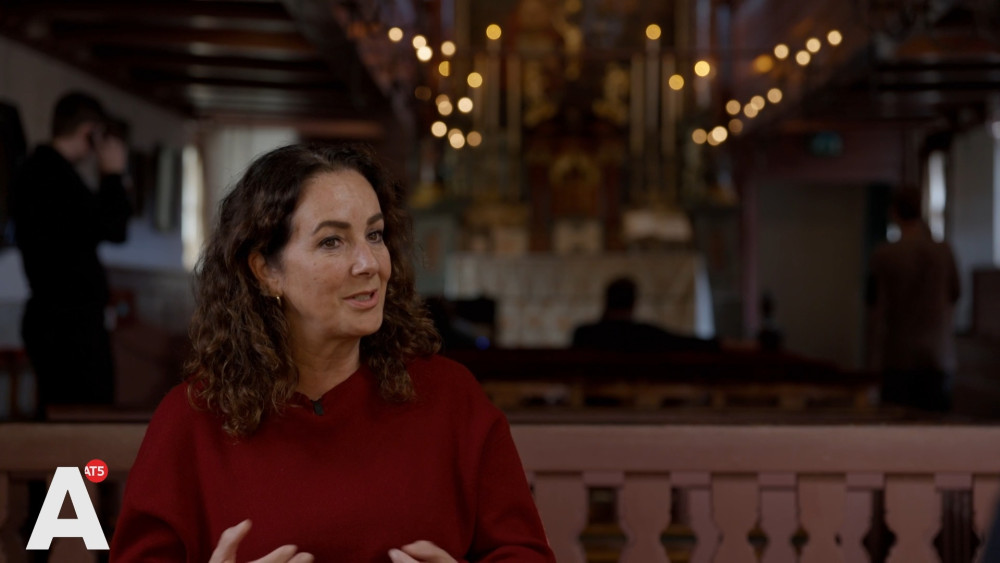
Documentary filmmaker Mijke de Jong spent a year following Amsterdam Mayor Femke Halsema for her project titled De burgemeester. The documentary explores the daily responsibilities and public scrutiny faced by the mayor, addressing themes like accessibility and media criticism.

Halsema calls homeless shelters a magnet: does repealing the outdoor sleeping ban attract homeless people to Amsterdam?

Halsema calls homeless shelters a magnet: does repealing the outdoor sleeping ban attract homeless people to Amsterdam?

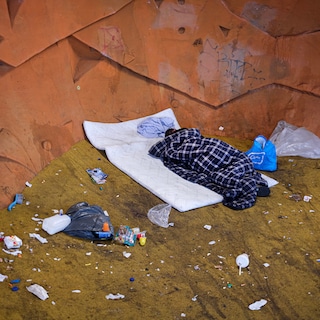
The Amsterdam city council is set to decide on Wednesday whether to abolish the local ban on sleeping outdoors. The debate centers on a disagreement between parties advocating for more humane policies and those who fear the change will attract more homeless people to the city.

Child of married couple no longer automatically takes father’s surname: ‘Important victory for women’

Child of married couple no longer automatically takes father’s surname: ‘Important victory for women’

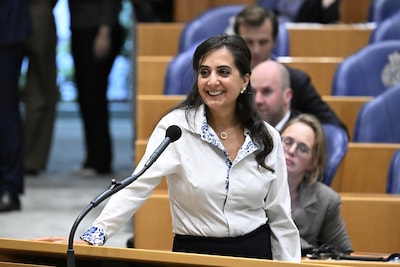
The Dutch government has proposed a new law that prevents the automatic assignment of a father's surname when parents cannot agree on a name for their child. Instead, children will receive both parents' surnames in alphabetical order, a move intended to promote gender equality and address potential power imbalances in abusive relationships.

More cultural funding to the regions? Halsema warns: "The labor market is in Amsterdam"

More cultural funding to the regions? Halsema warns: "The labor market is in Amsterdam"

Amsterdam Mayor Femke Halsema has warned the Dutch government against diverting cultural subsidies away from the capital, citing the risk of damaging the city's significant creative labor market. She also defended the autonomy of the arts sector, emphasizing that cultural institutions must remain free from political pressure and secure for all visitors.