parool
Healthcare authority warns of impending shortage of intensive youth care in Amsterdam and puts Levvel and municipality on notice


Minister of Public Health Sophie Hermans has confirmed that several hospitals in the Netherlands will begin performing late-term abortions for pregnancies between 22 and 24 weeks. The Minister stated that this trial complies with current abortion laws and will proceed as planned.

The Dutch Safety Board (OVV) has issued a critical report stating that children in emergency asylum shelters are facing unsafe living conditions that threaten their development. The report calls on the government to improve safety standards within six months, noting that issues like lack of privacy, poor hygiene, and limited access to medical care are widespread. Amsterdam's local officials have expressed shock at these findings and are coordinating with the COA to address the situation.
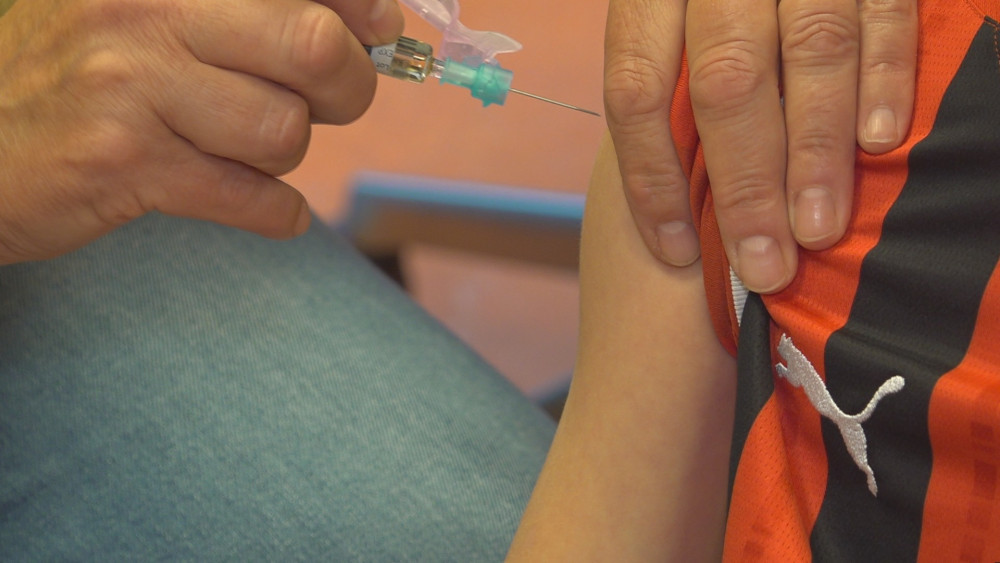
The vaccination rate among school-aged children and youth in Amsterdam remains stable, though it continues to decline among infants and young children. City official Alexander Scholtes noted that overall rates remain below World Health Organization safety standards, prompting the GGD to implement targeted outreach to address parental concerns and mistrust.

Research by Onderzoek & Statistiek shows significant disparities in school recommendations and academic performance among primary school students across different districts in Amsterdam. Students in districts like Zuidoost are more likely to receive lower school advice than their performance warrants, prompting the city to increase investments in educational equality.
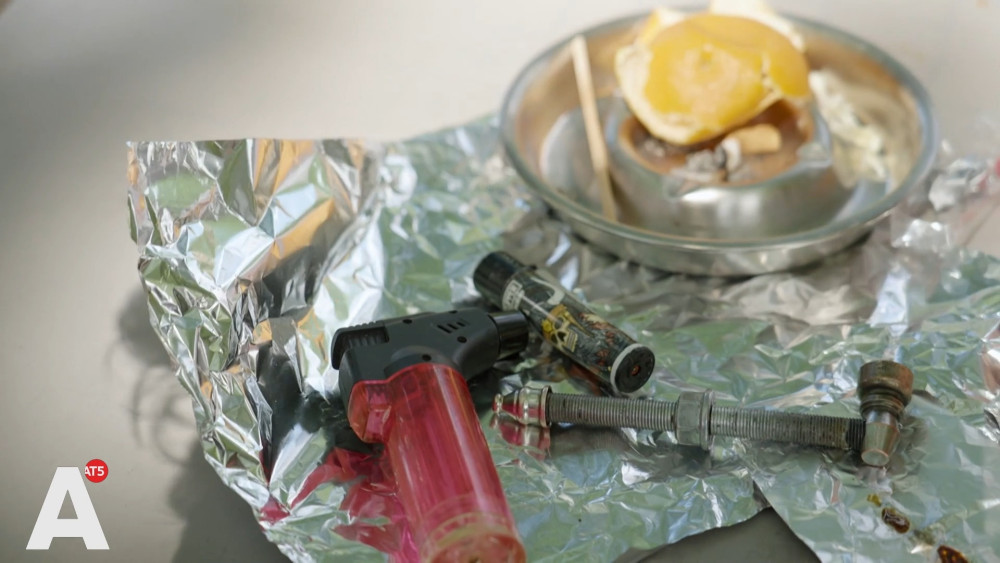
The use of crack cocaine has become increasingly visible in public spaces throughout Amsterdam, leading to concerns among residents and professionals. While experts debate the exact increase in users, they identify factors like social issues and the lack of effective medical treatment for addiction as key drivers of the situation, prompting local officials to request further research into potential medications.
We would like to use Google Analytics cookies to see how the site is used. They are optional — decline and no cookies are set. Privacy Policy