ad

Trump can be satisfied: Netherlands brings two storage tanks full of diesel and gasoline to market
Trump can be satisfied: Netherlands brings two storage tanks full of diesel and gasoline to market

The Netherlands has released over 750,000 barrels of diesel and gasoline from its strategic reserves, fulfilling a long-planned commitment to the International Energy Agency. Although the timing aligns with pressure from U.S. President Donald Trump regarding global fuel prices, Dutch officials maintain the action is not a reactionary measure.

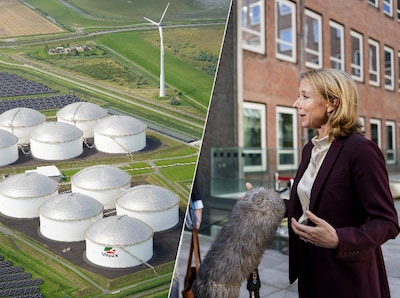
The Netherlands has released 50 kilotons of diesel and 45 kilotons of gasoline from its strategic reserves to the market, totaling 753,000 barrels. While this move coincides with pressure from U.S. President Donald Trump, who has threatened export restrictions to lower American fuel prices, the Dutch government clarified that the decision was part of a pre-planned release strategy agreed upon before the summer. Minister Stientje van Veldhoven emphasized that the Netherlands is currently on schedule with its commitments to the International Energy Agency.

Most of the nation's oil reserves are stored in facilities located in Rotterdam, Eemshaven, and northern Germany. Although this move has been interpreted by some as a signal to other European nations to accelerate their own reserve releases, experts suggest it will have a limited impact on global fuel prices. Traders typically purchase these supplies and redistribute them based on market demand, meaning the release is unlikely to cause a substantial or sustained drop in costs at the pump.

Based on reporting by ad. Translated and condensed by LocalHeadlines.
Related articles

Government wants to take over heating companies, but high costs remain an issue

Government wants to take over heating companies, but high costs remain an issue

The Dutch government is moving to reclaim control of heating networks from private energy companies to treat them as public utilities. This transition faces challenges as high operational costs and policy uncertainty discourage new investments and strain household budgets.

No 18, no Klarna: new law protects young people from debt

No 18, no Klarna: new law protects young people from debt

New legislation in the Netherlands effective November 20 mandates strict age verification and creditworthiness checks for Buy Now Pay Later services. These measures aim to protect young people from accumulating unsustainable debts by ensuring they are financially capable of meeting their payment obligations.

Alderman concerned about rising interest rates, but major investments continue: "Though later or more modest"

Alderman concerned about rising interest rates, but major investments continue: "Though later or more modest"

Amsterdam's finance alderman Hendrik Jan Biemond intends to continue planned city investments but indicates they may be executed more soberly or delayed due to rising interest rates. The city will implement cost-saving measures, including the reduction of 2,500 municipal staff positions, to manage a projected increase in debt and interest expenses.

Amsterdam wants to increase tourist tax: what are the consequences and is it wise?

Amsterdam wants to increase tourist tax: what are the consequences and is it wise?

The Amsterdam city council is considering raising its tourist tax to 20 percent by 2031 to curb the city's ongoing overtourism issues and improve local livability. The proposal has drawn criticism from industry experts and political opponents, who argue that the tax will harm businesses and fail to effectively manage visitor numbers.

Minister has little oversight of Dutch gold reserve audit

Minister has little oversight of Dutch gold reserve audit

The Dutch Court of Audit has raised concerns over the Ministry of Finance's lack of oversight regarding the national gold reserves managed by De Nederlandsche Bank. Although the ministry views the gold as a vital asset, it has no clear protocols for monitoring its management or its potential use during a national crisis.