rss

Amsterdam wants to increase tourist tax: what are the consequences and is it wise?
Amsterdam wants to increase tourist tax: what are the consequences and is it wise?

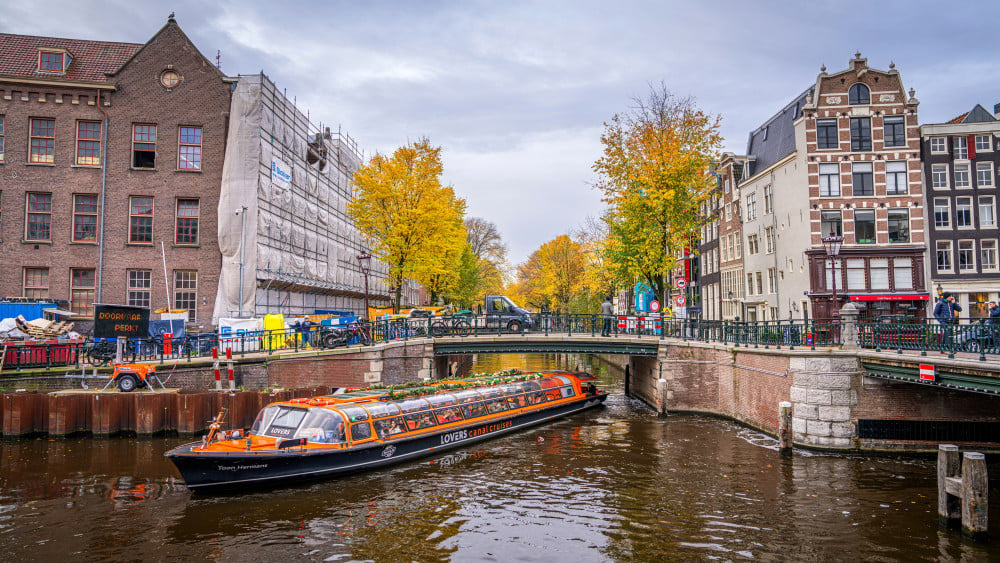
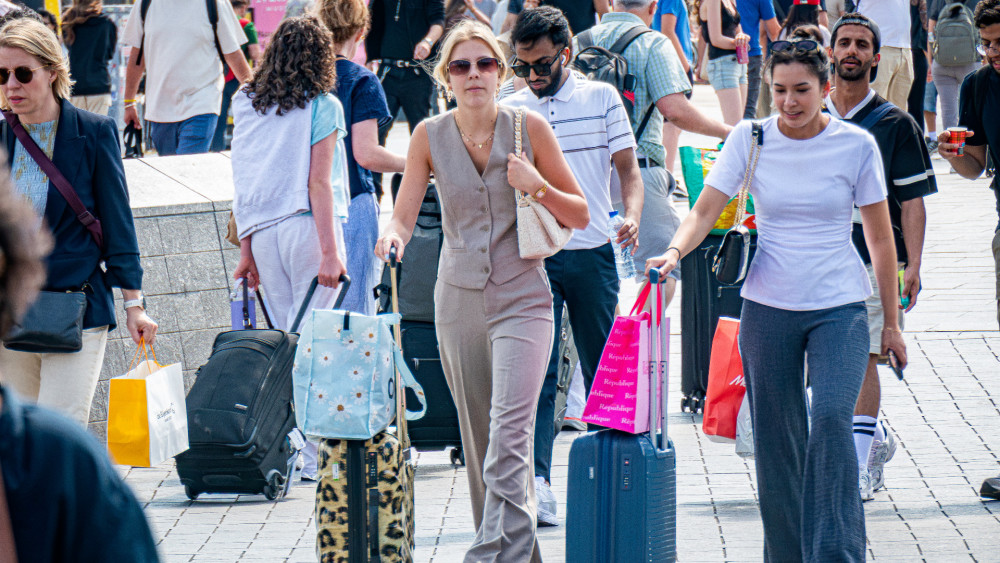
The Amsterdam city council is considering raising its tourist tax to 20 percent by 2031 to curb the city's ongoing overtourism issues and improve local livability. The proposal has drawn criticism from industry experts and political opponents, who argue that the tax will harm businesses and fail to effectively manage visitor numbers.

The Amsterdam city council is debating a significant increase in the tourist tax, which the governing coalition aims to raise to 20 percent by 2031. This move would nearly double the current rate of 12.5 percent, which is already the highest in Europe. The proposal is intended to manage overtourism, as the city struggles with overcrowding, rising costs, and a reduced housing supply due to short-term rentals. While the city faces continued growth in overnight visitors, projected to reach millions more in the coming years, officials argue that these measures are vital for maintaining the livability of local neighborhoods.

However, the plan faces stiff opposition from political rivals and the tourism industry. Critics, including tourism professor Jan van den Borg, argue that taxing overnight guests is ineffective and risks driving away high-value business travelers while doing nothing to deter day-trippers. Industry representatives warn that the tax hike will not reduce visitor numbers but will instead negatively impact museums and local businesses, suggesting that alternative strategies, such as reservation systems, would be more effective.

Based on reporting by rss. Translated and condensed by LocalHeadlines.
Related articles

Letter from entrepreneurs to municipality on tourist tax hike: "Many negative consequences"

Letter from entrepreneurs to municipality on tourist tax hike: "Many negative consequences"

Business leaders in Amsterdam are urging the city council to pause and reconsider a planned hike in tourist tax that could reach 20 percent by 2031. They warn that the combined effect of this tax and a national VAT increase will place a 41 percent burden on hotel stays, threatening the viability of the city's hospitality and events sectors.

Judge blocks higher municipal tax for canal cruise passengers

Judge blocks higher municipal tax for canal cruise passengers

A court has ruled that the city of Amsterdam cannot increase the passenger tax for canal cruise boats to 2.50 euros, reinstating the former rate of 1.50 euros. The judge found that the proposed hike was unlawful because the city failed to justify the fee with direct benefits to the cruise operators and attempted to fund unrelated public programs.

More cultural funding to the regions? Halsema warns: "The labor market is in Amsterdam"

More cultural funding to the regions? Halsema warns: "The labor market is in Amsterdam"

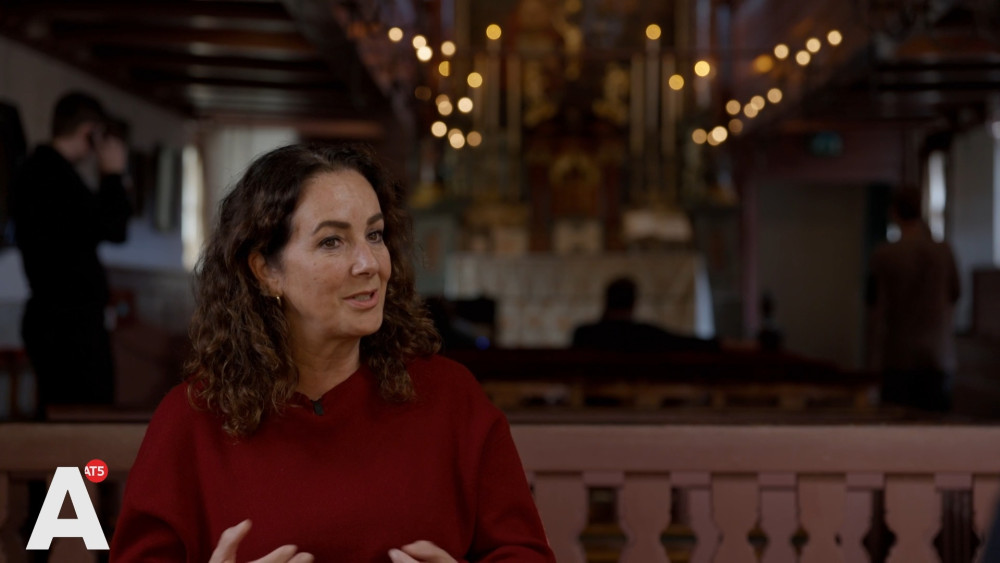
Amsterdam Mayor Femke Halsema has warned the Dutch government against diverting cultural subsidies away from the capital, citing the risk of damaging the city's significant creative labor market. She also defended the autonomy of the arts sector, emphasizing that cultural institutions must remain free from political pressure and secure for all visitors.

Stricter rules for holiday rentals to tackle nuisance in residential areas

Stricter rules for holiday rentals to tackle nuisance in residential areas

New Dutch regulations taking effect November 1 require all vacation rental hosts to use a unique registration number and mandate that booking platforms share data with the government. This system is designed to help municipalities combat neighborhood nuisance and better monitor the impact of short-term rentals on the housing market.

Agreement with Germany: more and faster trains between Amsterdam and Berlin, Hamburg and Frankfurt

Agreement with Germany: more and faster trains between Amsterdam and Berlin, Hamburg and Frankfurt

Dutch State Secretary Annet Bertram and German Transport Minister Steffen Bilger have agreed to improve rail connections between Amsterdam and various German cities. The plan focuses on increasing train frequency, reducing travel times, and expediting the connection of the Betuweroute freight line to the German rail network.