rss

Waste bin full? Future sensors may sound the alarm
Waste bin full? Future sensors may sound the alarm

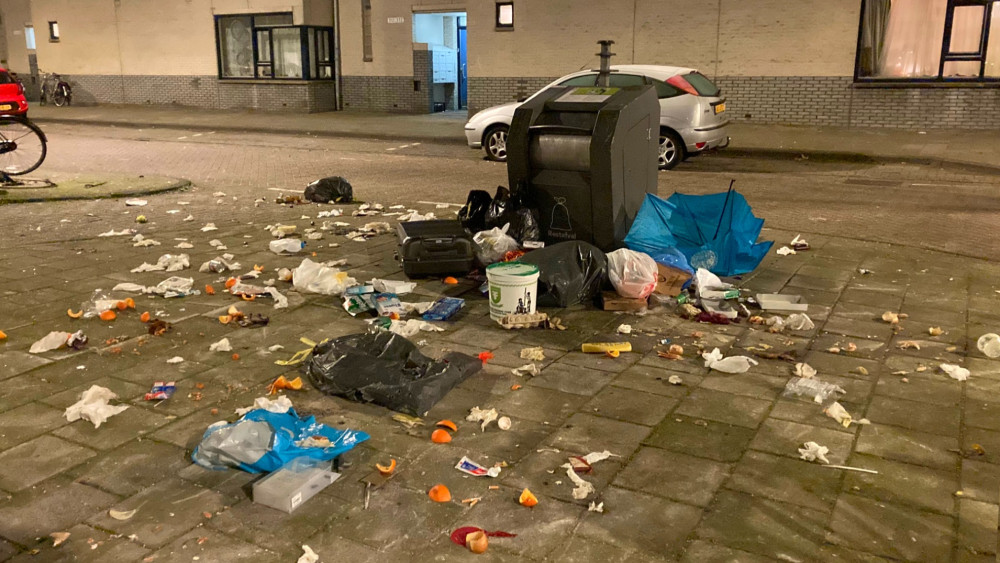
The municipality is testing fill-level sensors in waste containers to optimize collection routes and reduce trash accumulation on streets. A pilot project is currently underway, with plans to potentially expand the use of this technology across the city by early 2028.

The municipality is exploring the implementation of fill-level sensors in waste containers to address the persistent issue of trash being left on the streets. Currently, city officials are conducting a market survey and a pilot program involving 1,500 glass containers to determine if this technology can optimize collection routes. Preliminary findings indicate that many containers are often emptied unnecessarily, suggesting that sensors could significantly improve efficiency by allowing the city to collect waste only when necessary.

While the municipality views these sensors as an important tool for smarter waste management, officials emphasize that the technology will not solve every issue related to illegal dumping. Trash is often left outside containers due to mechanical faults or public convenience rather than just bin capacity. Despite these limitations, the city aims to equip as many containers as possible with sensors starting in early 2028 to modernize local waste collection operations.

Based on reporting by rss. Translated and condensed by LocalHeadlines.
Related articles

High energy costs also grip ice rinks: "Quite tense"

High energy costs also grip ice rinks: "Quite tense"

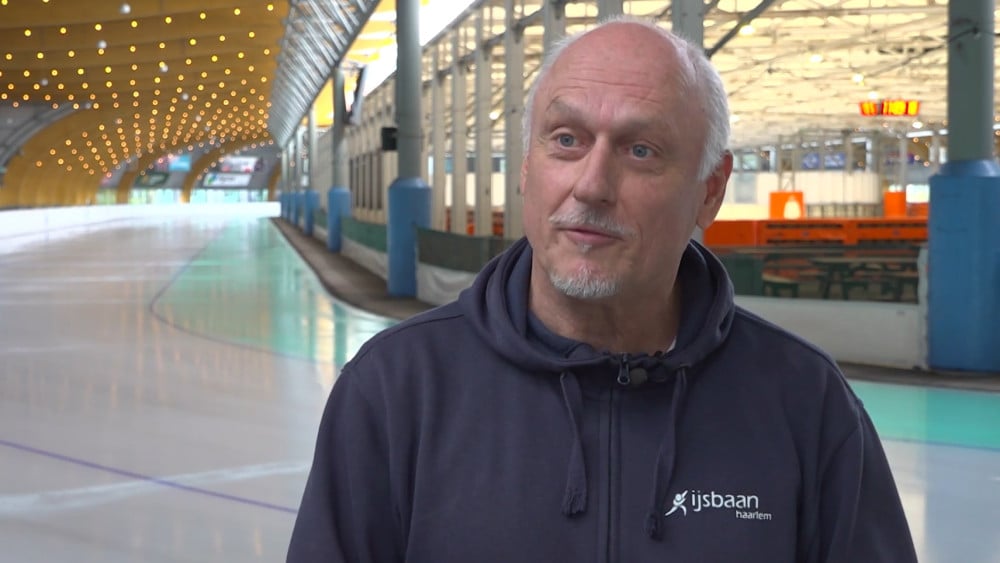
Ice rinks across the Netherlands are preparing for the upcoming season while managing high energy costs associated with maintaining ice floors. Many venues are successfully utilizing sustainable technologies like solar panels and heat recovery systems to keep operational expenses stable.

These North Holland farmers are seeking creative side incomes

These North Holland farmers are seeking creative side incomes

Sixty percent of farmers in North Holland are diversifying their businesses with non-agricultural activities to ensure financial stability amidst industry uncertainty. These additional ventures, ranging from childcare to retail, have seen substantial revenue growth and now serve as a vital buffer against fluctuations in the primary farming sector.

Municipality critical of provincial plan putting 10,000 homes at risk

Municipality critical of provincial plan putting 10,000 homes at risk

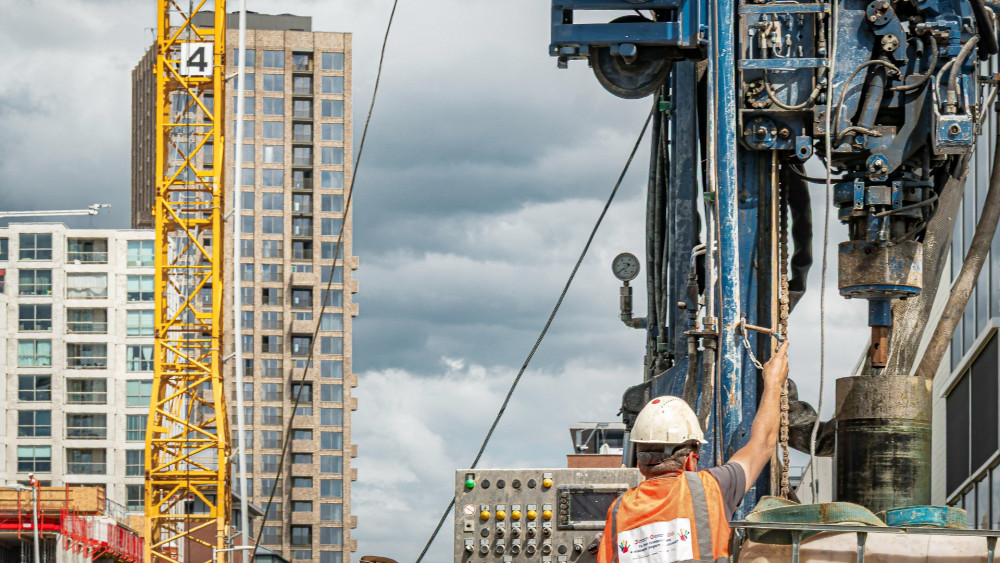
The Amsterdam city council is in conflict with the province of North Holland over new spatial plans that protect industrial land at the expense of potential housing. This policy threatens the realization of 10,000 homes in the Haven-Stad project, prompting the city to demand that the province uphold existing development agreements.

VVD presents counter-budget: "More pages needed, city continues to deteriorate"

VVD presents counter-budget: "More pages needed, city continues to deteriorate"

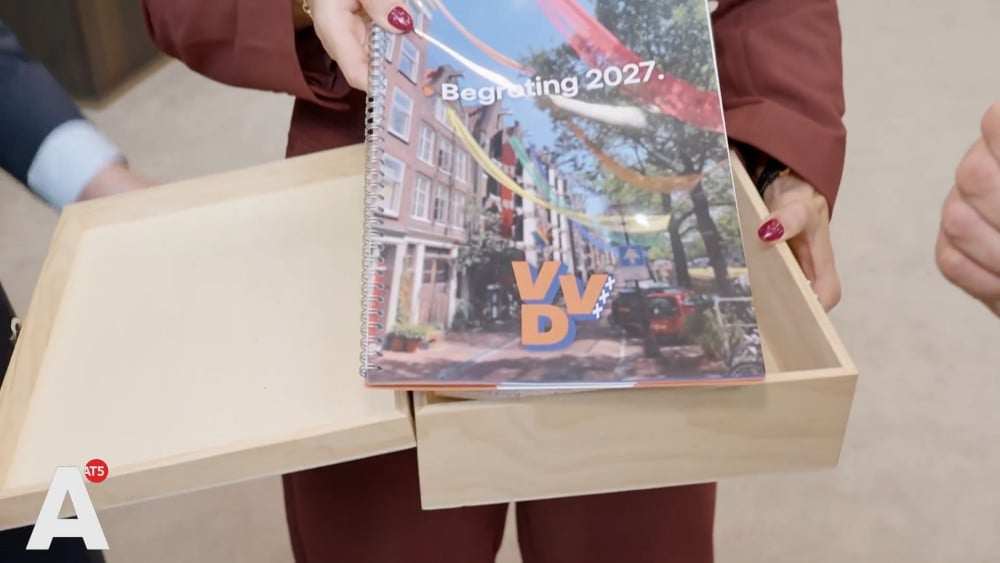
The VVD in Haarlem has presented an alternative budget that calls for faster municipal staff reductions, the use of AI in permit processing, and lower taxes for residents. The party argues that current city policies are insufficient and that more aggressive measures are required to combat the city's declining conditions.

Haarlem invests in a complete city

Haarlem invests in a complete city

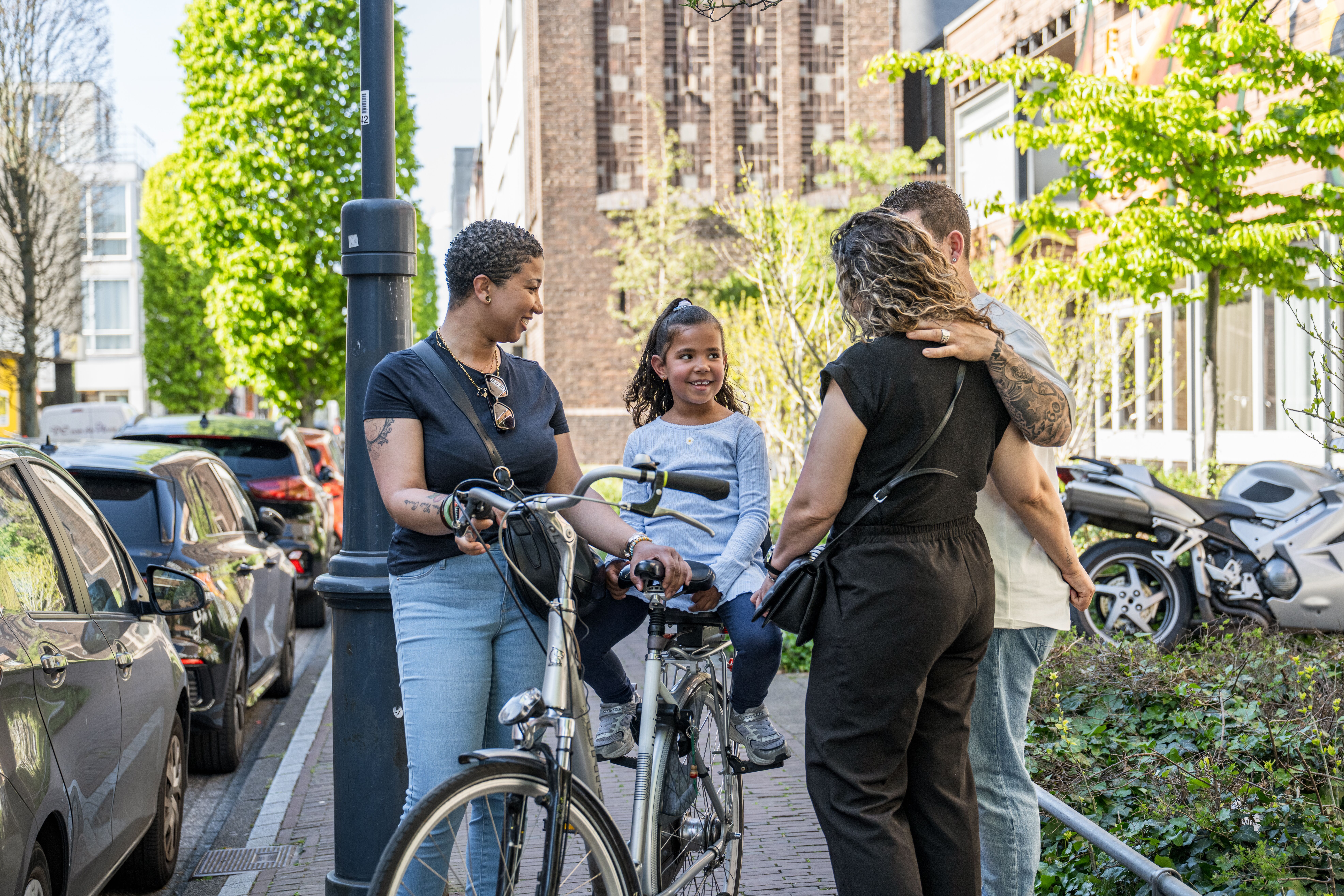
The Haarlem municipal executive has presented its 2027-2031 program budget, focusing on area-specific development and continued investment in local infrastructure. The plan aims to balance urban growth and social equality while preparing for future financial challenges as structural deficits are projected by the end of the decade.